Your China & Yunnan Travel Experts



Beauty in China is not one landscape type. Karst rivers, alpine lakes, sandstone pillars, rice terraces, historic towns and tropical coastlines each reward a different season and pace. This page keeps its original destination order while adding the decisions travelers actually need: what makes each place distinctive, how it connects to a wider route and which limits—weather, altitude, crowds or transfer time—can shape the visit.
Choose a landscape by the experience it offers
Start with the activity, not a ranking. Karst country suits river journeys, cycling and village stays; an alpine valley emphasizes boardwalks, lakes and seasonal color; a famous mountain may involve stairs, cableways and changing cloud; a historic town rewards early and late walks more than a rushed midday stop. A beach holiday depends on sea conditions and resort location, while rice terraces are working agricultural landscapes whose appearance changes with the farming cycle.
Then match the place to the traveler. A photographer may accept repeated dawn starts and uncertain visibility. A family may value short transfers and reliable toilets. A traveler with limited mobility needs to know the unavoidable steps after a cableway, not merely whether a scenic area advertises an accessible entrance. Beauty does not cancel the need for rest, shade, food, medicine and an exit plan.
Build routes around gateways and recovery time
China's most photographed landscapes are spread across a continent-sized country. Group destinations by transport corridor instead of connecting distant names simply because they appear on the same list. Guilin, Yangshuo and Longji form one regional cluster; Lijiang and Shangri-La can form another with gradual elevation gain; Huangshan combines naturally with Huizhou villages; Zhangye belongs in a Hexi Corridor plan. Jiuzhaigou, Tibet and remote Yunnan require more recovery margin than a city break.
Count the door-to-door journey: checkout, station or airport transfer, security, the trip itself, arrival transport and check-in. A two-hour flight can consume most of a day. Avoid scheduling a headline mountain immediately after a late arrival, and keep at least one flexible period where visibility is central to the experience.

In southern China, Guilin is the gateway to a broad karst region rather than a single viewpoint. Elephant Trunk Hill is an urban landmark, the Li River journey reveals the larger landscape, and the Longji Rice Terraces add mountain farming and village stays. A second link to the terraces is retained from the original structure, but travelers only need to plan that transfer once. Choose at least two nights if you want both Yangshuo and Longji without rushing.
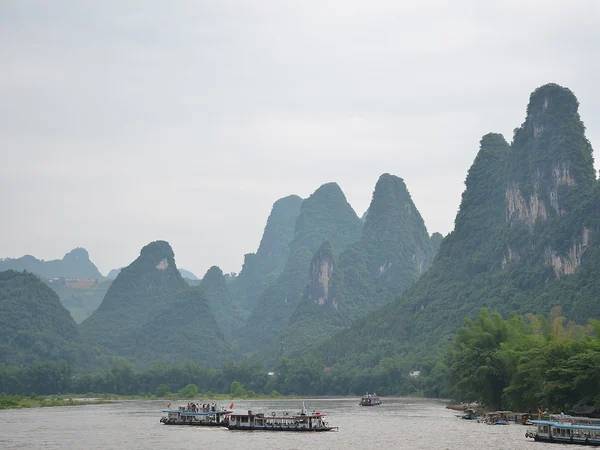
► Recommended Best Guilin Package Tour : 4 Days Best Guilin Tour to Yangshuo and Longji Terraces
Jiuzhaigou protects a high mountain valley of clear lakes, waterfalls and forest in northern Sichuan. The Jiuzhaigou scenic-area guide explains the valley itself, while nearby Huanglong offers travertine pools at greater elevation. These are not casual Chengdu day trips: allow for regional transport, cold mornings and current protected-area operating rules. The Sichuan landscape itinerary shows how the valley can fit with Chengdu and other western scenery.
Altitude and protected-area pacing: Jiuzhaigou's entrances, internal buses and boardwalks organize how visitors move through the valleys. A shuttle reduces distance but not every stair or walk between stops. Start with the current open zones and last-return time, then choose fewer lakes and waterfalls rather than racing through every branch. Huanglong reaches a higher elevation; adding it requires a separate health and transport decision.
Headache, nausea, unusual fatigue or poor sleep can occur at elevation. Slow the pace, stay hydrated and do not treat bottled oxygen as permission to ignore worsening symptoms. Children, older adults and people with heart, lung or mobility conditions should discuss the route with an appropriate clinician before travel. Weather can close roads or alter access, so keep one night of schedule margin when the next connection is important.

► Recommended Best Jiuzhaigou Package Tour: 6 Days Chengdu to Jiuzhaigou Tour
Huangshan is celebrated for granite peaks, sculptural pines and clouds that can conceal and reveal the ridges within minutes. The Mount Huangshan guide helps with ascent choices, while Hongcun adds Huizhou architecture below the mountain.

A short Huangshan tour suits one region; the Huangshan and Zhangjiajie route compares two very different mountain systems when more time is available.
Mountain route choice: Decide between a day ascent, an overnight on the summit area or a route that gives more time to the villages below. Summit accommodation reduces an early transfer but is limited, weather-exposed and often expensive. Carry only what is needed because luggage movement on steps is difficult. Check the operating cableway, mountain gate and shuttle; tickets for one entrance do not automatically solve transport to another.
Rain makes stone paths slippery and cloud can erase the expected panorama. Use shoes with grip, protect electronics and keep enough time to descend before the last cableway or bus. Visitors with limited mobility should ask about stairs between the cableway station, hotel and viewpoints. A cableway makes the mountain more accessible, but it does not create a step-free summit.
Shangri-La sits on the northwestern Yunnan plateau, where Tibetan cultural landscapes meet grassland, forest and high mountains. Meili Snow Mountain is weather-dependent and viewed from designated areas rather than approached like an ordinary city attraction; Pudacuo National Park offers managed trails and lakes. Acclimatize, carry warm layers and avoid compressing Lijiang and Shangri-La into one long day.

► Recommended Best Yunnan Package Tour: 10 Days Best Yunnan Tour
Zhangjiajie is the service city for the sandstone landscape of Wulingyuan. The protected area includes zones such as Suoxi Valley, Zhangjiajie National Forest Park and Tianzi Mountain. Lifts, cableways and shuttle buses reduce some effort but do not remove queues or walking. Two full scenic-area days provide a safer margin for fog and route changes.

► Recommended Best Zhangjiajie Package Tour: 4 Days Zhangjiajie and Fenghuang Tour
Zhangye lies on the Hexi Corridor in Gansu and works naturally within a Silk Road route. Its best-known Danxia hills display tilted sedimentary layers in red, ochre and pale tones. Color depends on light and weather; heavily saturated promotional images are not a reliable expectation. Sunset can be rewarding, but use the scenic-area shuttle system and allow for the long transfer from the city.

Zhangye Danxia Landscape
Zhangye highlight:
◆ The Zhangye Danxia scenic area is viewed from managed platforms. Morning and evening create lower-angle light, while midday reveals the landform more evenly. The landscape is the reason to go; the experience is not a free hike across the ridges.
► Recommended Popular Zhangye Package Tour: 4 Days Zhangye Danxia Landform Tour
Lijiang combines the waterways and Naxi urban heritage of the old town with mountain and lake excursions. Jade Dragon Snow Mountain involves altitude and timed transport, Lugu Lake requires a substantial road journey, and Tiger Leaping Gorge ranges from roadside viewpoints to demanding hiking. Select one outlying landscape instead of treating all three as same-day stops.

► Recommended Best Lijiang Package Tours at: Lijiang tours
Hangzhou is most beautiful when its lake, hills and cultural sites are read together. The West Lake landscape changes with mist, rain and season, while another retained link to the lake reflects its central role in the original page. Xixi Wetland offers a quieter wetland environment away from the busiest shore. Use walking, a short boat segment and public transport rather than attempting the entire lake edge at once.
Weekends and holiday evenings can be crowded. Reserve any timed museum or boat segment through its current channel, keep a rain alternative and allow unhurried time for the quieter causeways and hills.

► Recommended Best Hangzhou Package Tours at: Hangzhou tours
Wuyuan is a county of villages, fields and Huizhou-style architecture, not one “flower sea.” Spring rapeseed blossoms are weather- and date-dependent, autumn brings different color, and the villages remain culturally interesting outside peak bloom. Distances between clusters make a private transfer or carefully researched local transport more practical than choosing stops only from photographs.
Plan Wuyuan as a group of village landscapes: Confirm which eastern, northern or central cluster contains the villages and viewpoints that matter most, then choose accommodation and transport for that cluster. A ticket bundle does not remove the distance between sites. Spring weekends can bring road congestion and crowded platforms, while an early start and one or two well-chosen villages allow time to walk beyond the entrance street.
Rapeseed bloom varies with temperature, rain and elevation. Autumn color and harvest also shift from year to year. Ask for current local conditions, but do not pressure residents to enter fields or private courtyards for staged images. Paths can be wet and polished stone lanes are uneven; footwear and a light rain layer matter more than a fixed photo schedule.
Look for how streams, bridges, ancestral halls, lanes and fields fit together. Villages are living communities, not open-air studios. Buy food or crafts transparently, keep voices low near homes and obtain permission before photographing residents at close range. A visit remains worthwhile outside peak blossom when architecture and everyday landscape are the main purpose.

Cole flower sea in Wuyuan County
Wuyuan Highlights:
♦Likeng Village is where gets most popular among tourists here. The well preserved traditional architectures, stone curb bridges, streams and rivers together present you a nice photograph as if you are walking in an ancient Chinese scenery painting. The best time to visit Wuyuan is suggest between March to April, and November for autumn view.
► Recommended Best Wuyuan Package Tours at: Wuyuan Tours
Tibet offers high plateau lakes, Himalayan views and religious heritage on a scale unlike China's eastern regions. Beauty comes with constraints: permits and access requirements can change, altitude demands a gradual first few days, and long road journeys are normal. Build the route around Lhasa acclimatization before adding lakes or Everest-region travel.
High-altitude planning is part of the landscape experience: Spend the first days at a moderate pace, avoid unnecessary exertion immediately after arrival and tell the guide about medical conditions and symptoms. A beautiful lake viewpoint may be far higher than the hotel and reached after hours on the road. Confirm oxygen, communication, emergency and vehicle arrangements without assuming they prevent altitude illness.
Permits, group arrangements and route access can change, so work from the current rules that apply to nationality and itinerary. Carry warm, wind-resistant layers even when Lhasa feels mild. Sun exposure is strong, nights are cold and long road sections may have limited toilets or food. If symptoms become severe or worsen at rest, descent and medical assessment matter more than completing a photograph.
Religious sites and village landscapes are lived places. Dress respectfully, follow the direction of movement where indicated and ask before photographing worshippers or private homes. Do not place drones, tripods or staged portraits above local access rules.

Scenery in Tibet
Tibet highlight:
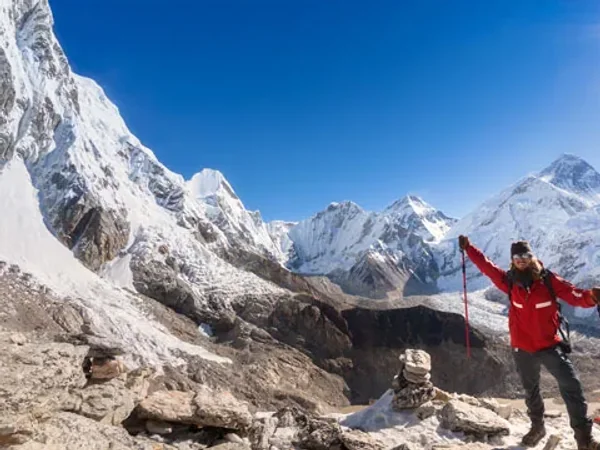
◆ Mount Everest, also called Qomolangma, can be viewed from the Tibetan side on authorized routes. A visit to the base-camp region is a remote high-altitude road journey, not a summit climb. Weather can obscure the mountain, so the route itself and safe acclimatization must matter as much as the hoped-for view.
◆ Potala Palace is a landmark of Lhasa and part of a UNESCO World Heritage ensemble. The palace developed over several historical phases; visitors should follow the current reservation system and pace themselves on the stairs after acclimatizing.
◆ Yamdrok Lake, Namtso and Lake Manasarovar are geographically separate high-altitude destinations. They cannot be grouped as interchangeable Lhasa excursions; compare direction, permit needs, road time and elevation before choosing one.
► Recommended Best Tibet Package Tours at: Tibet Tours
Yuanyang Rice Terraces spread across slopes in southern Yunnan's Honghe region. Their value lies in a living Hani cultural landscape shaped by forests, villages, water systems and farming, not only in reflective sunrise photographs. Mist can hide the view, so allow more than one viewing period when photography is important.
Water-filled terraces are most reflective in the relevant winter and early-spring farming period, while planting and harvest create different colors later in the year. Conditions follow agricultural and weather cycles rather than a fixed photo calendar.
Stay within reach of more than one viewpoint and respect working fields and village space. A long transfer for a single dawn image creates unnecessary risk if fog arrives; a slower visit provides better context for the cultural landscape.

Yuanyang rice terraces, Yunnan Province
Yuanyang Highlights:
♦ Duoyishu Scenic Area is considered to be the best place to take photographs of sunrise. The terrace here extends from the foot f mountain to the top; viewed like ladders to heaven. A sunrise here above the “ladders to the heaven” will be an amazing scene to be memorized.
► Recommended Best Tibet Package Tours at: Yuanyang Tours
The Yangtze River is experienced most dramatically by leisure travelers through the Three Gorges between Chongqing and Yichang. Qutang, Wu and Xiling gorges differ in width, geology and settlement, while shore excursions add history and engineering context. A cruise is a multi-day transport-and-scenery experience; compare the ship, cabin, embarkation point and included visits rather than selecting by the word “Yangtze” alone.

► To find more about Yangtze River Cruise at: Yangtze River Tours
Facing the South China Sea, Sanya offers tropical beaches and resort infrastructure, but each bay has a different balance of swimming, nightlife, access and hotel density. Yalong Bay is resort-oriented, while Wuzhizhou Island involves a boat transfer and weather-dependent marine activities. Check sea conditions and seasonal demand, and add central Hainan only if you have enough road time. The Sanya, Baoting and Wanning route balances coast and interior scenery.
Coast, weather and swimming: Select the bay according to the actual priority—calmer resort time, convenient dining, water activities or nightlife—rather than treating every Sanya beach as interchangeable. Read the lifeguard flags and local marine notice each day. Strong current, shore break, heat, lightning or a tropical storm can make an attractive beach unsafe. Swim only in an open supervised zone and never rely on a promotional photograph as evidence of current conditions.
Boat and diving products should identify the operator, equipment, insurance, medical limits and cancellation terms. Do not touch coral or wildlife, and be cautious of a package that guarantees visibility regardless of weather. For rainforest or mountain extensions, confirm the trail entrance, return transport, footwear and insect protection; central Hainan is not a quick walk from a beachfront hotel.
Season, cost and responsible photography: Public holidays, school vacations and ideal weather windows can raise room and transport prices at every destination on this page. Compare refundable terms and official scenic-area notices before purchasing a chain of nonrefundable bookings. A sunrise, sea of clouds or mirror-like terrace is never guaranteed. Build a trip that remains worthwhile when the light is flat or rain arrives.
Stay on platforms and marked paths, do not enter crops for a cleaner composition and ask before photographing people at close range. Avoid geotagging fragile off-trail sites. The most responsible image records the real place and conditions without creating damage, blocking another visitor or turning a community into a prop.

► Recommended Best Sanya Package Tours at: Sanya tours

13 Days Trip to Jiuzhaigou and Mt. Huangshan
Beijing, Jiuzhaigou Valley, Chengdu,Mt.Huangshan, Shanghai
Editorial accountability
Hu Lei, CEO. The named owner is responsible for travel-planning accuracy and escalation of time-sensitive checks.
Yuntian Travel (Yunnan) Group is identified in its corporate profile as a licensed professional inbound travel service provider based in Kunming, China. Registration and travel-service documents can be requested before booking.
Page-specific references where cited, official destination, transport and entry notices, YUNSKY route-planning records, and direct provider confirmation before a booking is finalized.
Content is reviewed when rules, transport, access, pricing or route conditions change. Final availability and operating details are reconfirmed for each traveler’s dates.
Quality review: Page updated: