Your China & Yunnan Travel Experts



A Chinese tea ceremony is not one nationally fixed ritual. The phrase can describe careful gongfu brewing in Fujian or Guangdong, guest-host etiquette at home, a staged cultural demonstration, or the relaxed service of a regional teahouse. What connects these settings is close attention to leaf, water, vessel, timing and hospitality. Travelers will understand more by asking which local tradition is being presented than by expecting a single sequence used everywhere in China.
Characteristics of a Chinese Tea Ceremony
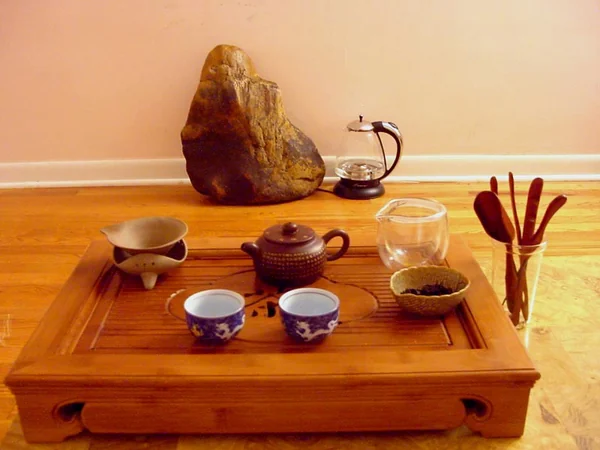
Good tea service is measured less by theatrical movement than by clarity and care. The host selects a vessel suited to the tea, warms the equipment when appropriate, controls short infusions and serves each guest evenly. Conversation may be quiet or lively depending on the setting. Guests normally watch before handling unfamiliar utensils, accept the cup with thanks and avoid treating every gesture as a rigid rule.
History and Regional Development
Sichuan Teahouse Traditions
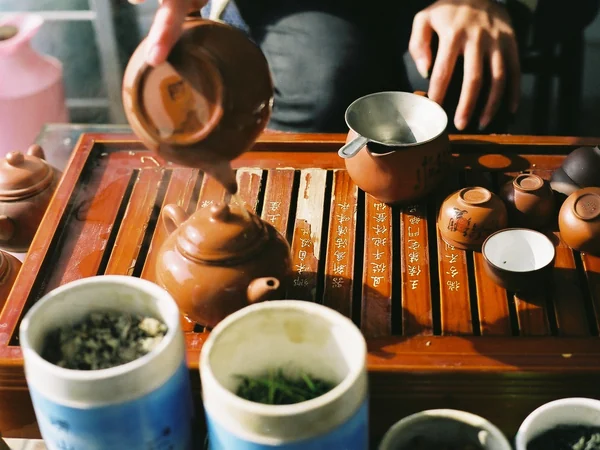
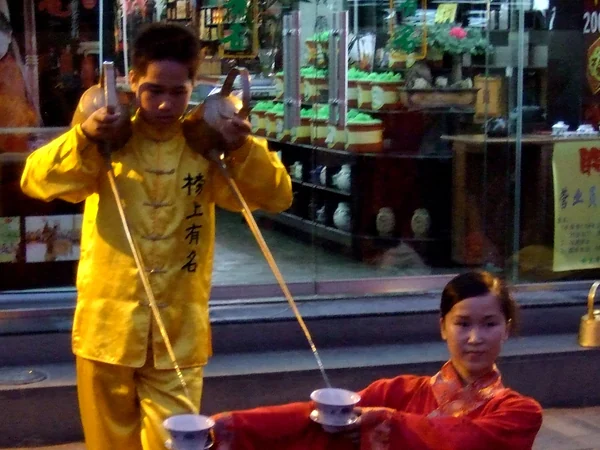
Sichuan teahouses grew as social spaces for conversation, games, performances and everyday rest. Lidded gaiwan cups are especially familiar, and some venues feature long-spout kettle demonstrations. A performance is not the same as ordinary household brewing, so check whether a booking is a cultural show, a tasting or simply table service. The tea-drinking activity guide explains how to choose an experience that matches your pace. Lu Yu and the Classic of Tea
Lu Yu's eighth-century Classic of Tea organized knowledge about tea production, utensils, water and preparation during the Tang period. It is an essential historical source, but its methods should not be mistaken for today's gongfu sequence. Tea practice changed as compressed tea, powdered tea and loose-leaf brewing gained or lost prominence in different periods.
Tea Sets and Essential Equipment
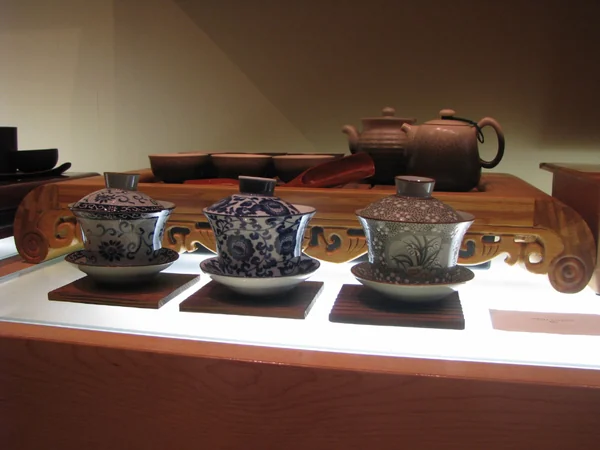
A gaiwan or teapot, leaf scoop, kettle and a clean surface are the practical core. Scales and thermometers can improve consistency, but an experienced host may work by sight and feel. Equipment used to separate and serve the infusion
A fairness pitcher helps distribute one infusion evenly among small cups. A strainer is optional, while a tray catches spills and keeps the service area orderly. Equipment used by each guest
Small cups encourage comparison across several infusions. Aroma cups may appear in some contemporary services, but they are not universal or required for an authentic tasting. Other Useful Items
Tea tongs, a pick, a brush, waste-water bowl and storage canisters support safe and tidy service. Guests should not place used utensils back among clean ones without guidance. A prepared gongfu tea table
Famous Tea Ceremony Styles
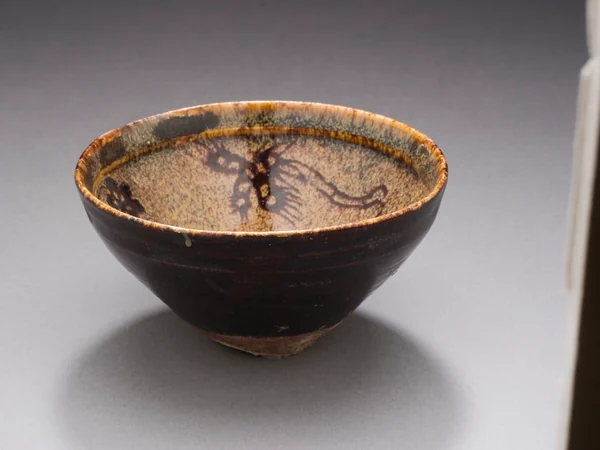
Song-Dynasty Tea Contests
During the Song period, whisked powdered tea was evaluated through color, foam and the marks left on the bowl. Modern reconstructions can illuminate this practice, provided they are presented as interpretations based on historical evidence rather than an unchanged living ceremony.
Gongfu Tea
Gongfu brewing uses small vessels, a high leaf-to-water ratio and repeated short infusions. It is strongly associated with Fujian and Guangdong traditions, including Chaozhou practice, yet methods vary by household, shop and tea type. A good session explains the tea before encouraging visitors to copy gestures.
Gongfu tea service with small cups
Sichuan Teahouse Service
A Chengdu teahouse visit is usually more social and unhurried than a formal demonstration. Order one tea, learn how the lid, bowl and saucer are handled, and allow time to observe local routines. Performances involving kettles or dramatic pours should be watched from the space indicated by staff.
For travelers combining culture and food, a Chengdu stay can connect teahouses with markets, temples and Sichuan cuisine rather than treating tea as an isolated show. Confirm the venue's current program and accessibility before making it the focus of a day. A teahouse in Sichuan Tea and Chan Buddhist Contexts
Tea has long been present in monastic and literary life, but a tourist tasting should not be advertised as a sacred rite unless it is genuinely hosted in that context. At temples, follow photography rules, keep conversation subdued and separate a commercial demonstration from religious observance. The related tea-serving etiquette guide covers practical guest behavior in contemporary settings.
A meaningful tea experience identifies its regional context, leaves questions and purchases optional, and gives guests enough time to taste rather than rush through a scripted display.
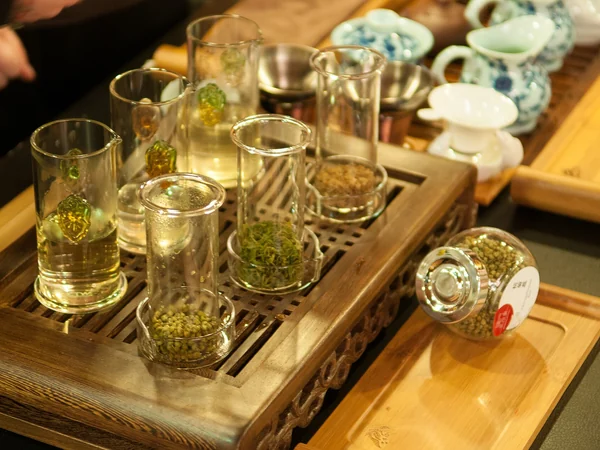
Tea served in a quiet cultural setting
Editorial accountability
Hu Lei, CEO. The named owner is responsible for travel-planning accuracy and escalation of time-sensitive checks.
Yuntian Travel (Yunnan) Group is identified in its corporate profile as a licensed professional inbound travel service provider based in Kunming, China. Registration and travel-service documents can be requested before booking.
Page-specific references where cited, official destination, transport and entry notices, YUNSKY route-planning records, and direct provider confirmation before a booking is finalized.
Content is reviewed when rules, transport, access, pricing or route conditions change. Final availability and operating details are reconfirmed for each traveler’s dates.
Quality review: Page updated: