Your China & Yunnan Travel Experts


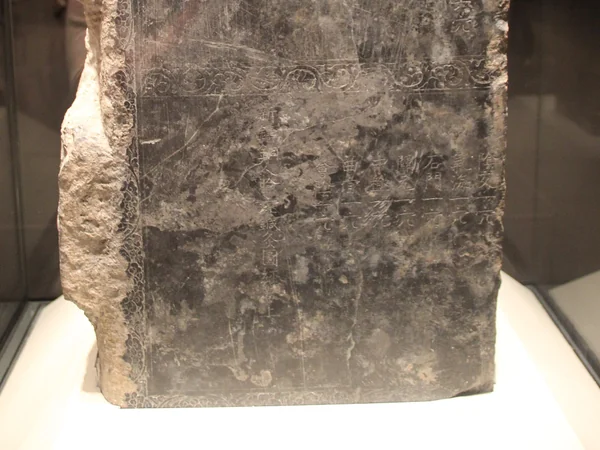
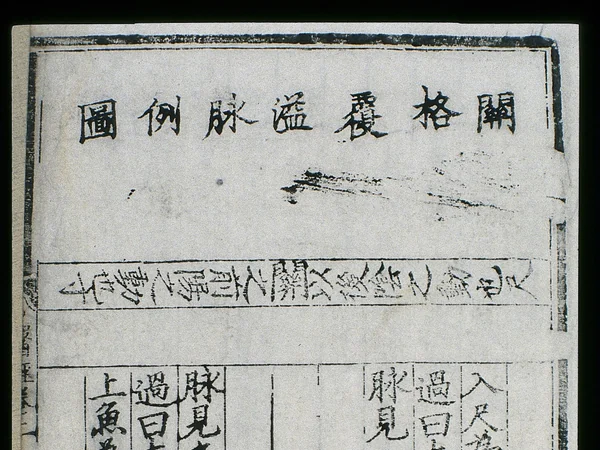
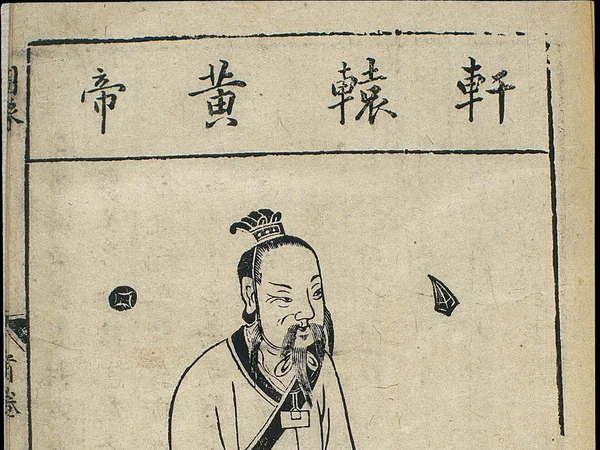
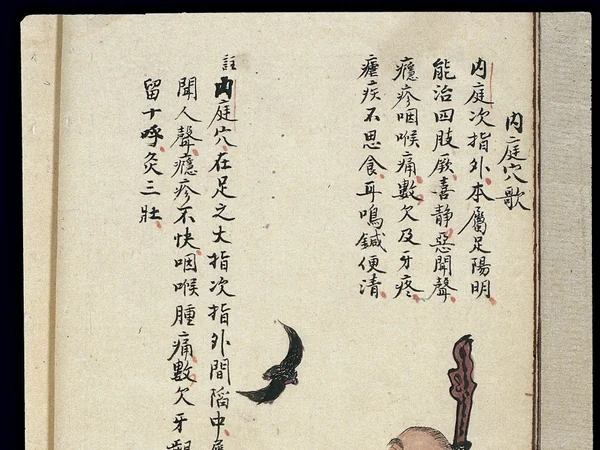
Traditional Chinese medicine, or TCM, is a broad medical tradition shaped by centuries of Chinese texts, clinical practice, education and regulation. It includes herbal preparations, acupuncture, moxibustion, tui na massage, exercise traditions and dietary ideas. Concepts such as yin and yang, the five phases, qi, organ systems and channels belong to TCM's own historical framework. They are not direct synonyms for modern anatomy, cells, hormones or electrical energy, and the two systems should not be reduced to “Chinese medicine treats energy while Western medicine treats the body.” Modern clinicians may use traditional pattern identification, biomedical tests or both, depending on their training and setting.
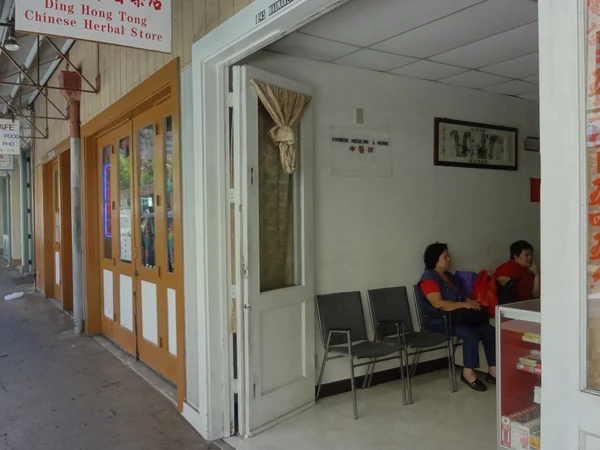
For a traveler, the most useful first distinction is between cultural learning and medical care. A museum, pharmacy heritage site or introductory workshop can explain terminology, medicinal materials and the history of practice. A consultation, prescription or acupuncture session is healthcare and requires a properly qualified practitioner, informed consent and a clear understanding of risks. Credentials and permitted scope vary by country, and a practitioner's title should be checked rather than assumed from a shop sign.
Natural does not mean harmless. Chinese herbal products can interact with prescription medicines and may be affected by substitution, contamination, incorrect dosing or undeclared ingredients. Some plant, animal and mineral substances are toxic or restricted. People who are pregnant or nursing, treating a child, living with liver or kidney disease, preparing for surgery or taking anticoagulants and other regular medication should obtain appropriate medical advice before using a product. Acupuncture also carries risks when sterile, single-use needles and proper technique are not used. Do not use TCM to replace or delay urgent assessment, cancer treatment or other necessary conventional care.
Evidence differs by therapy and condition. Research on one form of acupuncture, tai chi or a specific standardized product cannot validate every method sold under the TCM label. Ask what is being proposed, what evidence supports that use, what side effects or interactions are possible and when conventional evaluation is needed. For a lower-intensity cultural introduction, compare the movement and breathing context in the qigong guide. Travelers interested in another Asian medical tradition can read the overview of Tibetan medicine, while recognizing that Tibetan medicine has its own texts, concepts and history.
The topic cards below lead to the distinctive concepts, diagnostic methods, classical texts, treatments, historical physicians and museums that form this guide cluster. Use them as a planning map rather than a self-treatment pathway, then return to the wider China Guide for cultural and trip-planning topics. Policies, clinic access and product rules can change, so confirm current information with official health authorities and the provider before an appointment or purchase.
Editorial accountability
Hu Lei, CEO. The named owner is responsible for travel-planning accuracy and escalation of time-sensitive checks.
Yuntian Travel (Yunnan) Group is identified in its corporate profile as a licensed professional inbound travel service provider based in Kunming, China. Registration and travel-service documents can be requested before booking.
Page-specific references where cited, official destination, transport and entry notices, YUNSKY route-planning records, and direct provider confirmation before a booking is finalized.
Content is reviewed when rules, transport, access, pricing or route conditions change. Final availability and operating details are reconfirmed for each traveler’s dates.
Quality review: Page updated: