Your China & Yunnan Travel Experts


“Built by China” can refer to financing, design, equipment supply, civil works, signaling, training or operation, and those roles should not be treated as interchangeable. A memorandum or bid is not an operating railway. Check the project name, route, contract parties, construction status, opening date and current operator in dated primary sources. This framework prevents old promotional claims from being repeated after a proposal changes or ends. Continue planning with the China high-speed rail history.
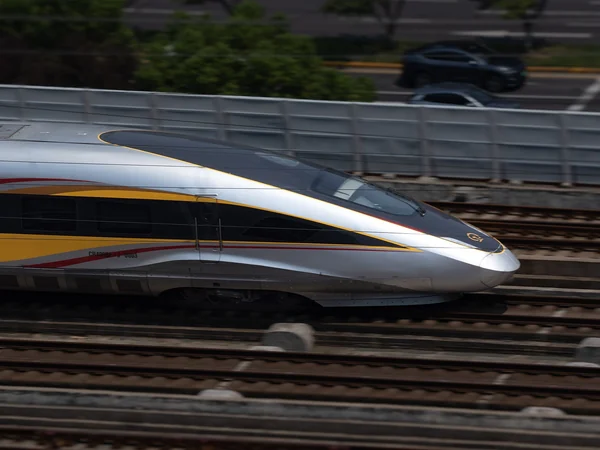
Turkey operates high-speed passenger services, but a country-level label can conceal different contractors, technologies and phases. When discussing Chinese participation, name the exact corridor and scope instead of implying that one supplier created the entire Turkish network. Travelers should use the current Turkish operator timetable for service information. Historical cooperation belongs in a project record, while today's ticket and station details belong to the operator.
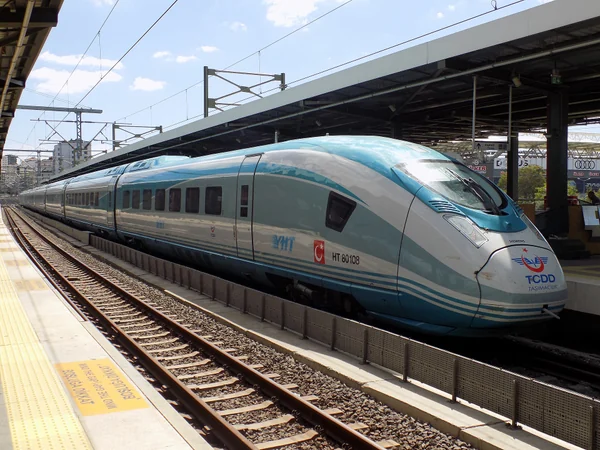
The United States has had multiple high-speed rail plans, procurement discussions and changing project structures. Past contact with a Chinese company does not prove that a Chinese-built line entered passenger operation. Any claim should identify the specific project and a current official status update. For travel planning, rely on the relevant domestic project authority or passenger operator rather than a legacy map that presented an aspiration as a completed route. Continue planning with the benefits of high-speed rail.
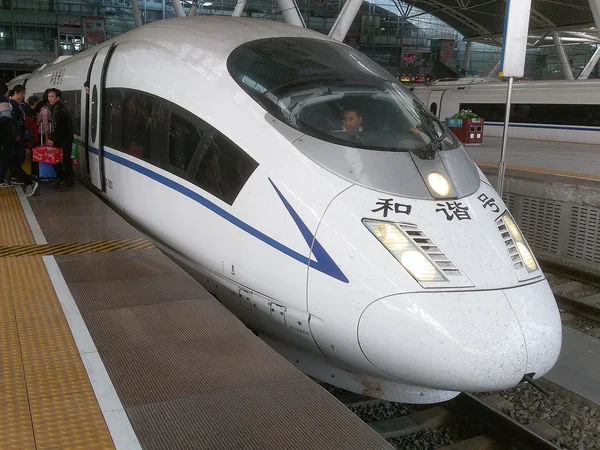
High-speed rail proposals involving Russia and international partners have changed across time. A route discussed in an agreement, feasibility study or news report should not be described as operational without a dated operator source. Distinguish a proposed Moscow–Kazan corridor from existing fast passenger services and from broader Eurasian freight routes. This is a case where source date and project stage matter more than a dramatic map.
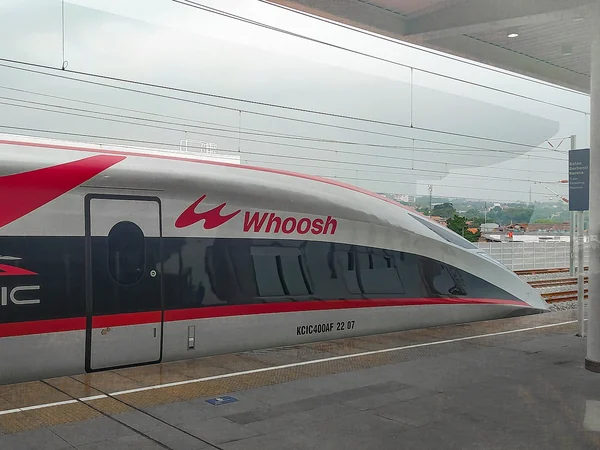
The Jakarta–Bandung high-speed railway, marketed as Whoosh, provides a clearer operating case. Even here, describe the defined corridor, stations and local connections rather than using it as proof that every overseas proposal followed the same model. Travelers need the current Indonesian operator's timetable, fare, station-transfer and baggage information. Project history can cover partnership and technology, while the travel guide should remain operator-led.
Rail proposals and procurement decisions in Mexico have changed, been cancelled or been restructured over time. An old bid announcement is not evidence of a current Chinese-operated high-speed service. Any updated section should begin with the present project authority, named route, signed scope and documented construction status. If those elements cannot be confirmed, describe the entry as historical context and avoid giving travelers a booking or opening expectation. Continue planning with the China high-speed train guide.

From on request

From $ 1613
Editorial accountability
Hu Lei, CEO. The named owner is responsible for travel-planning accuracy and escalation of time-sensitive checks.
Yuntian Travel (Yunnan) Group is identified in its corporate profile as a licensed professional inbound travel service provider based in Kunming, China. Registration and travel-service documents can be requested before booking.
Page-specific references where cited, official destination, transport and entry notices, YUNSKY route-planning records, and direct provider confirmation before a booking is finalized.
Content is reviewed when rules, transport, access, pricing or route conditions change. Final availability and operating details are reconfirmed for each traveler’s dates.
Quality review: Page updated: