Your China & Yunnan Travel Experts


Reviewed August 28, 2026. Muslim festivals in China follow the Islamic Hijri calendar, so Gregorian dates move earlier by roughly 10–11 days each solar year and can vary by local calendar determination. An Islamic date begins at sunset rather than midnight, while a calculated calendar is a planning reference rather than proof of a local event's start time. The old 2018–2020 date table is therefore replaced with an evergreen method: use the China Islamic Association's annual comparison calendar, then confirm the exact mosque or community program. Recheck again in the final week because prayer, visitor and traffic arrangements may be published separately. The practical sections below distinguish widely observed Eids from commemorations that vary by tradition and place.
| Observance | Hijri timing | Typical scope | Possible travel impact | How to verify |
| Islamic New Year | 1 Muharram | Community observance varies | Usually limited visitor disruption | Check the year's official calendar |
| Eid al-Fitr | 1 Shawwal | Major celebration ending Ramadan | Busy mosques and changed access | Confirm locally after the new-moon decision |
| Eid al-Adha | 10 Dhu al-Hijjah | Major festival linked with Hajj | Large prayers and local event controls | Confirm mosque and city notices |
| Mawlid | Often 12 Rabi al-Awwal | Observed in some Sunni communities | Teaching or recitation may be scheduled | Ask the local mosque; practice varies |
| Mawlid | Often 17 Rabi al-Awwal | Date used in many Shia traditions | Not a uniform China-wide program | Verify community and venue |
| Laylat al-Bara'at | Night of 14–15 Sha'ban | Observed by some communities | Evening worship may affect access | Do not assume universal observance |
| Laylat al-Qadr | Last ten nights of Ramadan | especially odd-numbered nights Night prayer and recitation; |
not a public show Check the exact mosque program; |
confirm the current annual calendar do not assume visitor entry |
| Ashura | 10 Muharram | Meaning differs by tradition | Somber observance in many Shia communities | Ask before attending or photographing |
| Laylat al-Mi'raj | Commonly associated with 27 Rajab | Observed by some communities | Possible evening teaching or prayer | Confirm the local program |
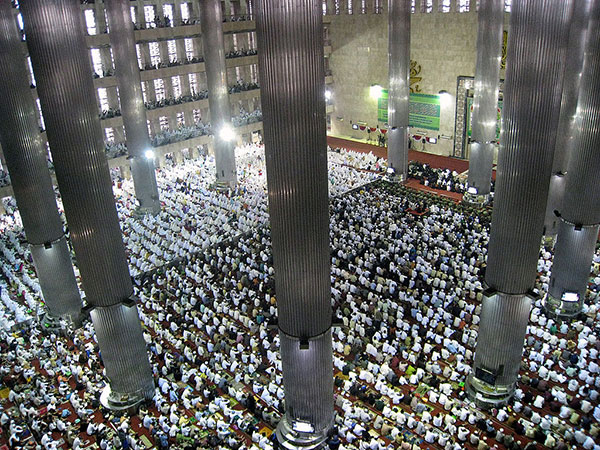
Eid al-Fitr begins on 1 Shawwal after Ramadan. It is one of the two most widely observed Islamic festivals and is important to Muslim communities across China; it should not be reduced to a single ethnicity or a single regional costume.
What it marks
The day concludes a month centered on fasting, prayer, reflection and charity. Religious details and exemptions belong to qualified religious authorities; travel copy should not declare who must fast or make health promises. A traveler who plans to fast should seek appropriate religious and medical guidance for personal circumstances.
The Gregorian date must be checked for the travel year. China Islamic Association publishes an annual Gregorian, Chinese lunar and Islamic calendar comparison, while a mosque confirms its own prayer and access arrangements.
What communities may do
Common elements include congregational prayer, greetings, family visits, charitable giving and shared food. Local Hui, Uyghur, Kazak and other communities may express the day differently; dishes, dress, visiting patterns and public events are not universal rules.
Travel planning: expect heavier pedestrian and vehicle pressure near major mosques early in the day. A map pin may lead to a side entrance or a gate reserved for worshippers, so identify a public meeting point and the return route before arrival. Do not block gates, prayer rows or emergency access, and do not enter the prayer hall merely to obtain a photograph. Ask before photographing identifiable people, especially children, and keep drones away from worship and dense urban neighborhoods.
Food planning: some halal restaurants may open later, close for part of the day or become very busy. Reconfirm hours and reservations rather than assuming every business follows one schedule. Ask whether a venue is accepting walk-ins, whether its kitchen can handle allergies and whether takeaway is available; a crowded festival meal is the wrong time to improvise a medical diet. Use the halal food guide to understand labels and verification questions.
Visitor etiquette: wear modest clothing, silence the phone, follow shoe and gender-space instructions, and accept a closed area without argument. Greeting someone with “Eid Mubarak” can be appropriate when offered respectfully, but do not treat worshippers as cultural performers.
Access and safety: a large gathering can create crowd-management controls, bag checks, temporary one-way movement and long waits. Travelers with limited mobility should ask about step-free entrances, seating, toilets and the nearest safe vehicle drop-off; “accessible on a normal day” does not guarantee access during a full congregation. Families should agree on a meeting point, carry the hotel address offline and choose quieter visiting hours on a non-festival day when the architecture is the main interest.
Best decision rule: attend only when a registered venue confirms that visitors are welcome; otherwise observe the neighborhood respectfully from public space and return on an ordinary day for architectural interpretation.
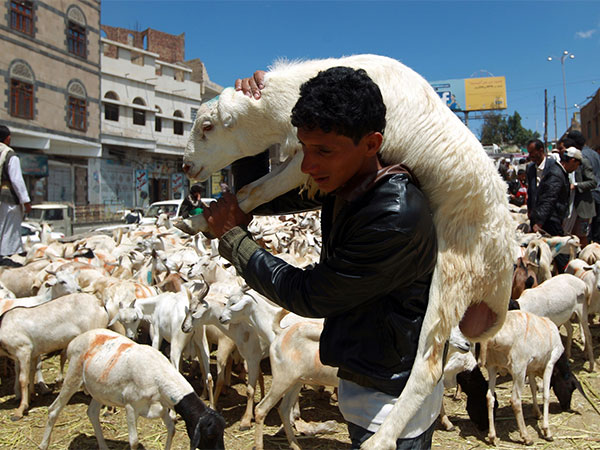
Eid al-Adha falls on 10 Dhu al-Hijjah and is the second major Eid. It is associated with the account of Prophet Ibrahim's willingness to obey God and with the Hajj period. The old statement that it is “70 days after Eid al-Fitr” is only a rough popular shorthand; use the Hijri date instead.
Religious context
The observance emphasizes devotion, prayer, charity and sharing. Accounts differ in wording among traditions, so this guide avoids sensational retellings or presenting one community's custom as a rule for all Muslims in China.
Animal sacrifice, where practiced, is a regulated religious and food-safety matter, not a tourist spectacle. Practice, location and distribution arrangements differ, and an online photograph cannot establish what a particular Chinese community will do this year. Travelers should not seek entry to private or operational areas, stage close-up photography, touch equipment, obstruct workers or make assumptions about who participates. If this subject may distress a child or traveler, choose an ordinary-day mosque or neighborhood visit instead.
What communities may do
Congregational prayer, greetings, family visits and shared meals are common. Some communities also organize cultural activities, but location, language, public access and timing change by year.
Transport plan: roads around major mosques may be temporarily busy, and app pickup points can move when a street is controlled. Arrange a meeting point away from the gate, carry both the mosque and hotel destination in Chinese offline, save a local contact and keep a return buffer rather than asking a driver to wait in a restricted lane. In hot, wet or winter weather, carry water or appropriate layers without bringing food into a prayer space, and confirm whether luggage is permitted before arriving from a station.
Photography plan: ask the mosque manager before using any camera. Never photograph worship at close range, private food preparation or identifiable children without explicit permission. A telephoto lens does not replace consent.
Food and allergy plan: festival meals vary. Ask about ingredients, cross-contact and preparation directly; “halal” does not identify allergens, vegetarian suitability or a medically safe diet.
Access decision: ask whether the prayer hall, courtyard or any community program is open to non-worship visitors, and accept a refusal without seeking another entrance. A normal-day visit is usually better for architecture, interpretation and conversation.
For a city example, the Muslim travel guide to Beijing helps identify local context, but the mosque's current notice remains the authority for the day.
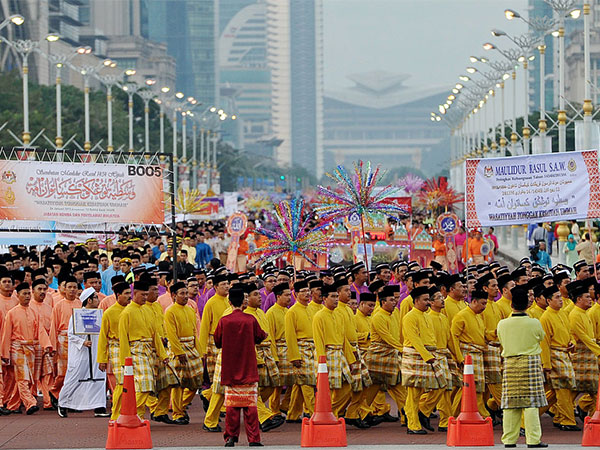
Mawlid commemorates the Prophet Muhammad. Many Sunni communities associate it with 12 Rabi al-Awwal, while many Shia traditions use 17 Rabi al-Awwal; some Muslims do not observe Mawlid as a festival. That variation should be stated, not hidden behind one “worldwide” date.
Historical context
Public forms of Mawlid developed over time in different Muslim societies. In China, a local mosque or community may arrange teaching, recitation or a gathering, but no single program describes every region.
For travelers, Mawlid is useful cultural context rather than a guaranteed attraction. Confirm whether a listed event is religious, educational or publicly accessible, and do not enter a teaching session with a camera unless invited.
What to verify
Ask the exact date, language, venue, intended audience, start and finish time, visitor policy, photography rule and whether men and women use separate areas. Also ask whether translation is available: sitting through a religious lesson in an unfamiliar language is not meaningful “participation,” and a guide should not improvise theological interpretation. An undated tour blog, previous year's poster or copied social-media caption is not evidence of this year's program.
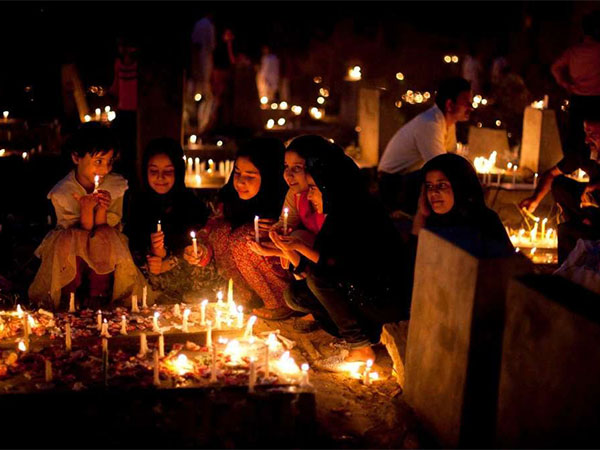
Laylat al-Bara'at, often associated with the night between 14 and 15 Sha'ban, is observed in some Muslim traditions and not emphasized in others. Calling it a universal festival would be inaccurate.
Meaning and variation
Themes can include prayer, repentance, remembrance and preparation for Ramadan. The old “August 15” wording confused the eighth Hijri month with the Gregorian month of August; Sha'ban moves through the solar calendar.
Some Chinese Muslim communities may gather for recitation, prayer or food, while others may not hold a public program. Customs described in one Hui locality should not be generalized nationwide.
Practical check
Verify the annual date against the official Islamic calendar, then ask the local mosque whether any program is open to visitors. Because the observance falls at night, confirm the date on both sides of sunset, the final exit time, available public transport and whether the neighborhood gate closes. Evening access, personal safety, transport and neighborhood quiet matter more than a generic festival label.
If invited, arrive before the stated time, follow seating and shoe instructions, avoid flash and leave private devotional moments undocumented. If not invited, respect the boundary and learn through a daytime mosque visit instead.
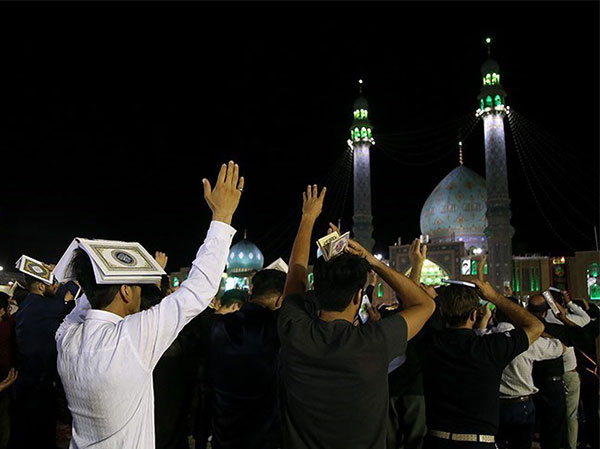
Laylat al-Qadr, the Night of Decree or Night of Power, commemorates the Quran's revelation in Islamic belief. It is sought during the last ten nights of Ramadan, especially the odd-numbered nights; a universal fixed “September 27” is incorrect.
Date boundary
Because Ramadan follows the Hijri calendar and local programs differ, travelers must check the current year's calendar and the mosque's exact schedule. Programs can run late and ordinary visitor hours may not apply; plan a legal return route, sufficient rest and a low-noise arrival at the hotel. A calculated date is a planning lead, not automatic permission to attend, and a public exterior does not make a private night prayer open to observation.
What visitors may notice
Mosques may have extended evening prayer and recitation. Keep nearby noise low, do not photograph worship through windows or doorways and arrange transport that does not obstruct the congregation.
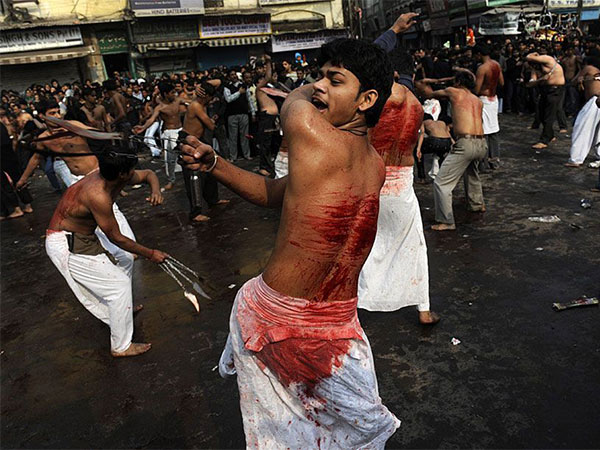
Ashura falls on 10 Muharram. For many Sunni Muslims it is associated with fasting and the deliverance of Moses; for Shia Muslims it is principally a solemn commemoration of the martyrdom of Husayn ibn Ali at Karbala. It should not be marketed simply as a celebratory festival.
Historical boundary: the old page blended legendary claims, minority customs and global practice without distinguishing evidence. Responsible content identifies the broad Sunni and Shia meanings and leaves detailed religious interpretation to recognized community authorities.
In China, observance can be private or community-based and may be limited in public visibility. Do not assume an image from another country describes a Chinese mosque or that a regional Hui food custom is universal.
Traveler conduct
Never seek graphic ritual imagery, crowd participants or convert mourning into entertainment. Do not copy visual assumptions from Iran, Iraq, South Asia or another locality onto a Chinese community without evidence. If a community permits attendance, keep distance, follow the organizer's instructions and ask explicit consent before any identifiable photograph; consent to stand nearby is not consent to publish a face, name or personal story.
Safety and dignity take priority over content creation. Leave immediately if crowd-control staff close an area, and do not repost images that expose a private participant without permission.
For regional differences in food, mosque form and community life, compare the Muslim travel guide to Yunnan rather than applying one national template.
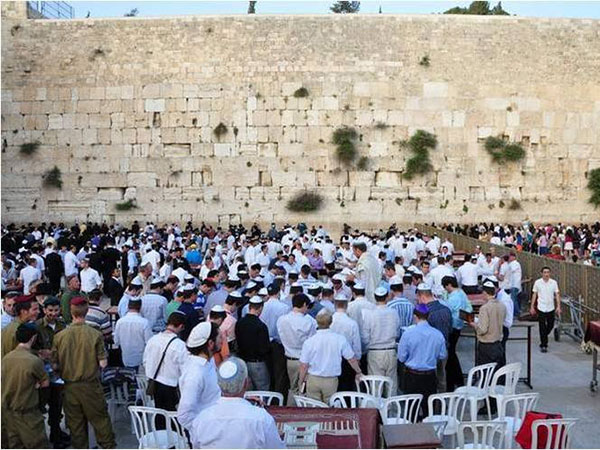
Laylat al-Mi'raj is associated with the Prophet Muhammad's Night Journey and Ascension. Many calendars link it with 27 Rajab, but observance and interpretation vary; not every Muslim community holds a public festival.
Meaning: the religious account connects the Sacred Mosque and the “Farthest Mosque” before the Ascension. The old “fairy horse” and fixed-distance wording was an imprecise travel-style paraphrase and is removed.
Practical planning: a local program may include teaching, recitation or optional prayer. Confirm the date, audience, language, access, duration and transport with the venue rather than arriving on the basis of a generic calendar. Ask whether the notice is intended only for congregants and whether a guide may translate outside the worship period. If the answer is unclear, choose a scheduled daytime architectural visit and use an official text for historical interpretation.
Visitor rule
Attend only by invitation or confirmed public access. Dress modestly, remain quiet, follow seating rules and avoid photographing worship; a respectful ordinary-day visit is better than forcing entry during a devotional night.
From $ 1226
From $ 2183
Editorial accountability
Hu Lei, CEO. The named owner is responsible for travel-planning accuracy and escalation of time-sensitive checks.
Yuntian Travel (Yunnan) Group is identified in its corporate profile as a licensed professional inbound travel service provider based in Kunming, China. Registration and travel-service documents can be requested before booking.
Page-specific references where cited, official destination, transport and entry notices, YUNSKY route-planning records, and direct provider confirmation before a booking is finalized.
Content is reviewed when rules, transport, access, pricing or route conditions change. Final availability and operating details are reconfirmed for each traveler’s dates.
Quality review: Page updated:
