Your China & Yunnan Travel Experts


A smooth first high-speed rail trip starts before the station: confirm identity details and station names, pack for security and manageable storage, then follow the train, gate, carriage and seat shown in the order. The checklist below follows the journey in chronological order. Continue planning with the train seats and carriages.
Match the passenger name and identity number to the valid document, choose the exact departure and arrival stations, and review the date before payment. Save the confirmed order offline and check current 12306 instructions for the sales window and identity process.
Arrive with time for security, identity handling and walking inside a large station. Follow the display for the train number, waiting area and gate; platform access may open only near departure. At the destination, keep the booking identity ready until after the exit gate.
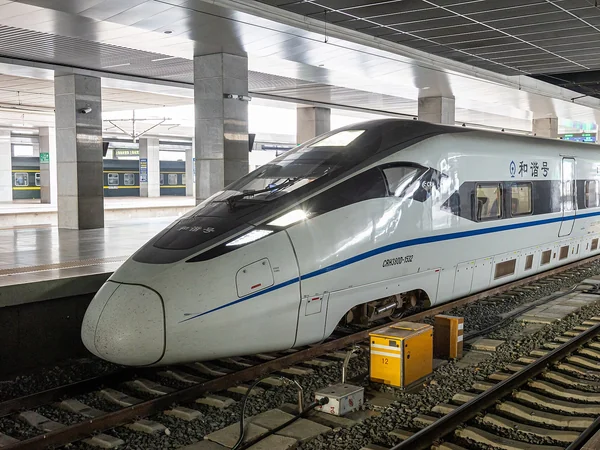
Compare total travel time, station location, price and availability. G, C and D services are not identical, and business, first and second class layouts vary by equipment. Select the service that fits the itinerary rather than buying the highest class by default.
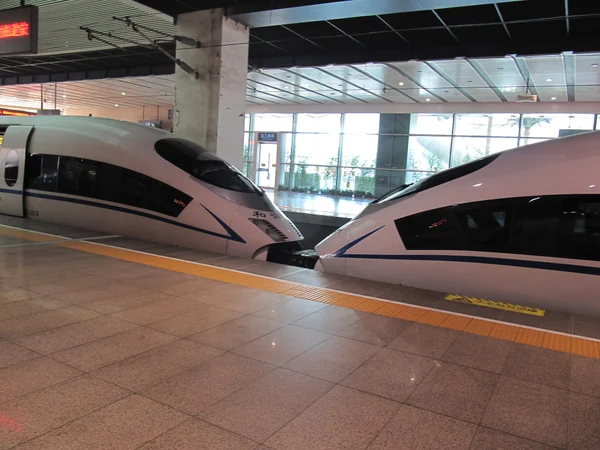
High-speed trains are strongest for city pairs with convenient stations and a workable timetable. Boarding is assigned by train, carriage and seat. Stand behind platform safety lines, let arriving passengers move first and confirm the carriage marker before entering.
A conventional train can offer an overnight berth, a different station or access where a high-speed service is indirect. Compare arrival time, sleep quality and onward transport. Do not assume that a slower train uses the same station as the high-speed option. Continue planning with the railway safety rules.
Official limits can distinguish passenger type, item weight and combined dimensions, with different measurements for electric multiple units. Rules for bicycles, sports gear, blades, aerosols and batteries need a current check. Never rely on an old baggage infographic. China Train Luggage Regulation
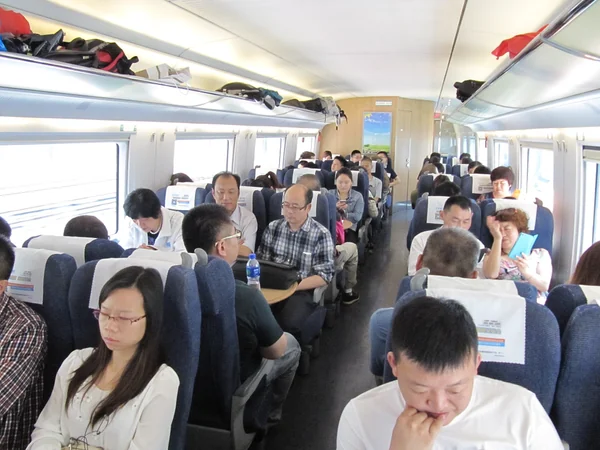
Carry the passport used for booking, medicine, phone power, water and any necessary child or hygiene supplies within reach. Do not place critical documents in a suitcase at the far end of the carriage. Keep aisles, doors and emergency equipment clear.
Use a name and reachable contact method without displaying unnecessary passport or home-address details. A distinctive strap can help identify a case, but loose cords should not catch on racks or other luggage. Photograph the bag before travel if it is difficult to describe.
Use overhead racks only for items you can lift securely and place heavier cases in designated spaces where available. Space varies by train set and fills quickly. Do not block doors, washrooms or the aisle, and ask staff before moving another passenger's bag.
Food service, hot water, power outlets, Wi-Fi, toilets and accessibility features vary by train and carriage. Locate the nearest suitable toilet after boarding, supervise children and keep noise low. For important accessibility needs, request station assistance before the travel day. Continue planning with the toilets on high-speed trains.

From on request

From $ 1613
Editorial accountability
Hu Lei, CEO. The named owner is responsible for travel-planning accuracy and escalation of time-sensitive checks.
Yuntian Travel (Yunnan) Group is identified in its corporate profile as a licensed professional inbound travel service provider based in Kunming, China. Registration and travel-service documents can be requested before booking.
Page-specific references where cited, official destination, transport and entry notices, YUNSKY route-planning records, and direct provider confirmation before a booking is finalized.
Content is reviewed when rules, transport, access, pricing or route conditions change. Final availability and operating details are reconfirmed for each traveler’s dates.
Quality review: Page updated: