Your China & Yunnan Travel Experts


May in China sits between late spring and early summer, with comfortable northern days but growing heat and rain in the south . It is a strong month for mixed city-and-landscape routes when plans account for the Labor Day peak, regional thunderstorms and large elevation changes. Travelers arriving in late April should first review the April weather guide.
May does not provide one uniform “best weather” window. Across many lower-elevation cities, afternoons become warm and the day–night range narrows, but exact conditions vary sharply by latitude, elevation and passing weather systems . Southern and eastern rain becomes more operationally important, while northern heat and strong sun can arrive before the calendar says summer.
Regional contrast should drive the itinerary. Northern China is often drier and suitable for exposed historic sites, though hot afternoons, wind and thunderstorms remain possible. Southern China can be humid, rainy and already hot; short downpours do not rule out travel, but lightning, local flooding and reduced visibility require flexible timing. Western and high-altitude destinations can combine intense sun, cool nights and weather-sensitive roads. The China climate guide explains the broader monsoon pattern. Always check a destination forecast and official transport or scenic-area notices rather than treating a monthly range as a guarantee.
Outside the official Labor Day break, May demand is often easier to manage, but weekends, exhibitions and school events can still fill popular trains and attractions.
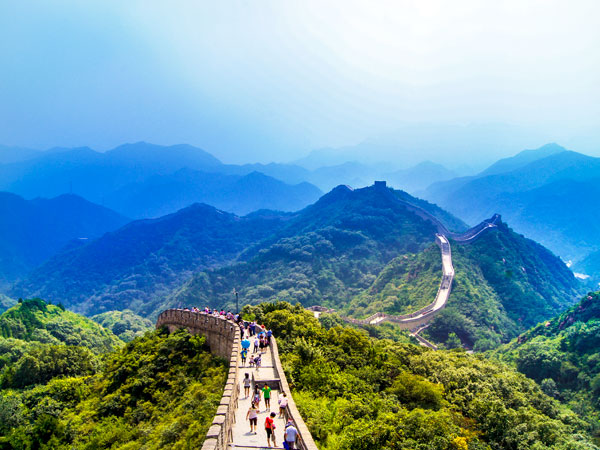
Beijing and North China: May often supports long walks at the Great Wall, palace complexes and hutongs. Choose exposed sites for the cooler part of the day, carry water and sun protection, and keep an indoor alternative for a thunderstorm or unusually hot afternoon. A windy ridge can feel very different from a sheltered city street, so compare wind as well as temperature. The Great Wall image above represents the route, not current weather.
Xi'an and the central northwest: Warm, dry-feeling afternoons can make the city wall and archaeological sites tiring. Start outdoor visits early, use shade and do not compress the Terracotta Army transfer into a tight rail connection. Dust or a sudden shower can change visibility. Museum opening, timed-entry and shuttle details should be checked on the attraction's current channel rather than copied from an old itinerary.
Datong and northern Shanxi: Elevation keeps mornings and evenings cooler than many lowland cities. A light layer is useful at exposed grottoes and temples; confirm mountain-road and site notices after strong wind or rain. Some visits involve long outdoor approaches and stone steps, so allow more time than a map distance suggests.
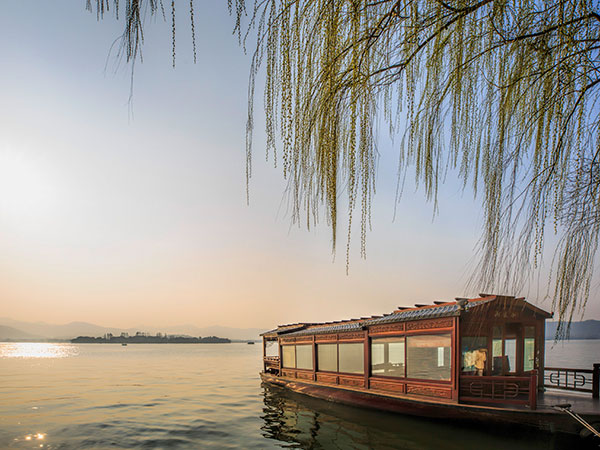
Lower Yangtze — Shanghai, Suzhou, Hangzhou and Nanjing: Gardens, canals and West Lake are green, but humidity and rain increase as the month advances. Use shoes with grip, protect electronics and leave waterfront or skyline views flexible. Weekday morning entries are generally easier to pace than a holiday or sunny weekend, although no time is guaranteed quiet. The West Lake photograph beside this section shows a May sightseeing context, not a live condition report.
Chengdu and Chongqing: Chengdu is usually warm and humid with rain possible; Chongqing can feel hotter because of basin conditions. Schedule exposed viewpoints around the forecast and pair outdoor plans with museums, teahouses or other indoor options. Keep enough transfer time for slippery steps, slower traffic and station security rather than stacking several distant sights into one wet day.
Guilin: Rain creates lush karst scenery but can reduce visibility, affect cycling surfaces and alter river operations. Confirm cruise notices on the day, and avoid placing the return immediately before an important flight or train. If a trail or riverbank is closed, do not treat an unofficial path as an equivalent alternative; move the view to another day.
Yunnan — Kunming, Dali and Lijiang: Moderate city temperatures do not remove ultraviolet exposure or cool highland evenings. Conditions differ by elevation, so check each overnight stop and carry layers. Ask before photographing people in villages and use established trails around working landscapes. Long road transfers can cross a mountain pass and a warm valley on the same day, making an accessible spare layer essential.
South coast — Guangzhou, Shenzhen, Xiamen and Hainan: Expect heat, humidity and an increasing chance of heavy rain or thunderstorms. Water activities must follow the local warning flag and operator notice; May air temperature alone cannot establish safe sea conditions. Drink regularly, schedule shade, and move indoors at the first lightning warning rather than waiting for rain to reach the beach or promenade.
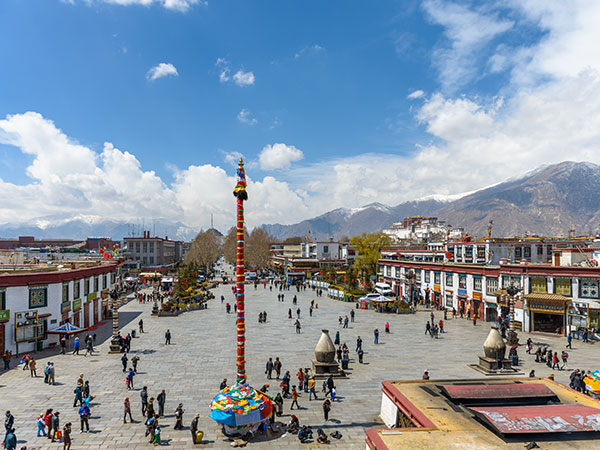
Western and plateau routes — Lhasa and Urumqi: Lhasa's clear-looking days still require conservative acclimatization, ultraviolet protection and current Tibet permit arrangements. Urumqi is only one part of vast Xinjiang; check road and weather conditions for the actual valley, lake or desert route. Remote-day plans should include food, water, charging and a realistic turnaround point agreed with the operator.
Use a light, adaptable system and keep the day's rain or warm layer in a small bag rather than dressing for one national average. Laundry access can reduce luggage on a multi-city route, while one dry change of clothes is valuable after a storm. Keep essential medication in hand luggage and retain its original label.
North China: breathable daytime clothing, a light jacket for mornings, supportive walking shoes, sun protection and a refillable water bottle suit most city routes. Add wind protection for exposed walls and plateaus.
East and South China: quick-drying layers, a compact rain shell or umbrella, shoes with wet-surface grip and a waterproof electronics pouch are practical. Follow lightning warnings and never enter a closed gorge, riverbank or mountain path after heavy rain.
Yunnan and mountain destinations: combine breathable clothing with a warm evening layer. Strong sun, steep steps and slippery trails make sunscreen, a hat and stable footwear more valuable than an oversized suitcase.
Tibet, Qinghai and other high-elevation routes: carry insulation and a windproof layer even in May, arrange a gentle arrival day and follow medical advice for altitude symptoms. Verify permits, roads and insurance instead of inferring safety from a sunny monthly average.
May Daypack Checklist
Walk a Great Wall Section
Mutianyu and Jinshanling can be green and rewarding in May, but they are exposed mountain sites. Reserve any required entry or cableway, start early after the holiday peak, and change plans for lightning, high wind or an official closure.
Visit Yunnan Communities Responsibly
Dali and nearby counties offer markets, temples and village landscapes associated with several communities. Festival dates and access vary; use a local notice, ask before photography and avoid describing a living community as a staged “ethnic attraction.”
Cruise the Yangtze River
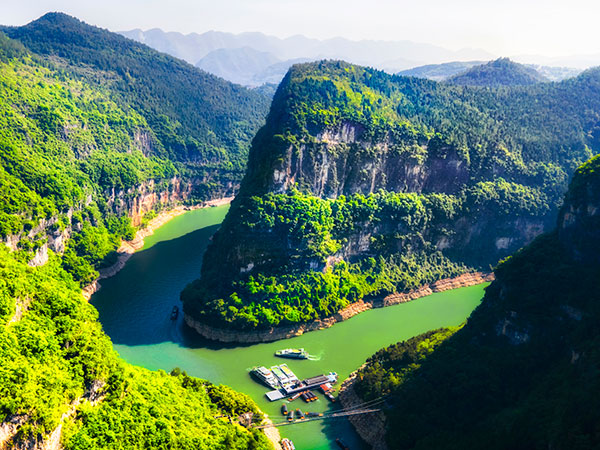
Three Gorges scenery is green in May, while rain, fog and river operations can change views or schedules. Compare the vessel, cabin and shore-excursion terms, use railings and follow the crew's safety instructions. The adjoining photograph accurately shows the Three Gorges context.
Explore Classical Gardens and Water Towns
Suzhou gardens and nearby Tongli or Zhouzhuang combine architecture, water and seasonal planting. Reserve timed entries where required, keep residential doorways clear and use covered corridors or museums during a wet spell.
Plan Weather Backups for Guilin and Zhangjiajie
Karst and sandstone landscapes can look atmospheric in mist, but heavy rain reduces visibility and increases slip or flood risk. Allow more than one viewpoint and follow the open route published by each scenic area.
Walk Historic Cities
Xi'an, Pingyao and Lijiang reward slower exploration. Start before midday heat, distinguish ticketed heritage areas from residential streets, and keep a museum or shaded courtyard for the warmest or wettest part of the day.
Use Lakes and Rivers Conservatively
West Lake, Kunming's lakefront and major-city promenades work well in settled weather. Stop exposed activity for thunder, respect barriers and choose licensed operators for any boat rather than assuming calm-looking water is safe.
2026 arrangement: 1–5 May was the official Labor Day holiday, with 9 May designated as a working day. Popular trains, hotels and attractions experienced concentrated demand; future years may have different dates and make-up workdays.
Planning implication: Do not rely on “always avoid 1–5 May” as a permanent rule . Check the current State Council notice, reserve transport and timed attractions as soon as plans are firm, and verify cancellation terms. If traveling during the peak, choose an early entry, reduce same-day transfers and keep a less famous alternative. Continue with the June weather guide for hotter, wetter early-summer conditions. Reviewed on 26 August 2026 using WMO, CMA and current Chinese government sources.
Editorial accountability
Hu Lei, CEO. The named owner is responsible for travel-planning accuracy and escalation of time-sensitive checks.
Yuntian Travel (Yunnan) Group is identified in its corporate profile as a licensed professional inbound travel service provider based in Kunming, China. Registration and travel-service documents can be requested before booking.
Page-specific references where cited, official destination, transport and entry notices, YUNSKY route-planning records, and direct provider confirmation before a booking is finalized.
Content is reviewed when rules, transport, access, pricing or route conditions change. Final availability and operating details are reconfirmed for each traveler’s dates.
Quality review: Page updated: