Your China & Yunnan Travel Experts


Reviewed August 27, 2026. There is no single list of “best” Chinese food that fits every reader. The useful question is which dishes fit the person's appetite, chewing comfort, allergies, medicine plan and medical diet while still making the trip enjoyable. This guide explains seven approachable choices and the questions to ask when ordering. For regional context, start with the Chinese cuisine guide, then judge the actual restaurant and dish rather than assuming a cuisine label guarantees ingredients or nutrition. This is practical travel guidance, not a prescribed diet; travelers with diabetes, kidney or heart conditions, swallowing difficulty or serious allergies should follow individualized clinical advice.
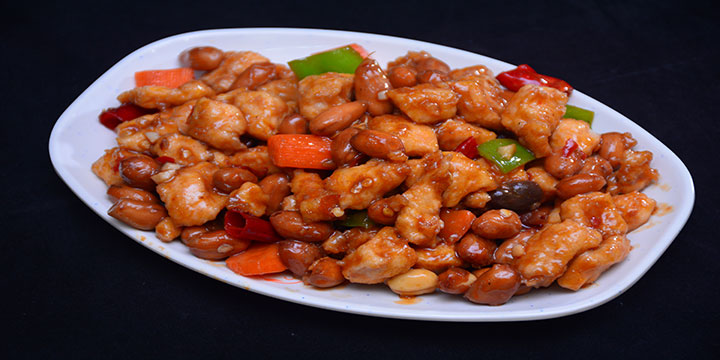
Authentic gong bao ji ding commonly combines diced chicken, peanuts, dried chilli, aromatics, vinegar, sugar and a savory sauce. That makes it easy to share, but it is not automatically mild, low-sodium or suitable for a nut allergy. Ask for “less spicy” or “no chilli” if needed, and separately ask whether peanuts can be omitted; removing visible peanuts does not eliminate cross-contact in a shared kitchen. A half portion with rice and a vegetable dish is often easier to balance than ordering several rich mains. If chewing is a concern, request tender chicken pieces and check for small bones before eating.
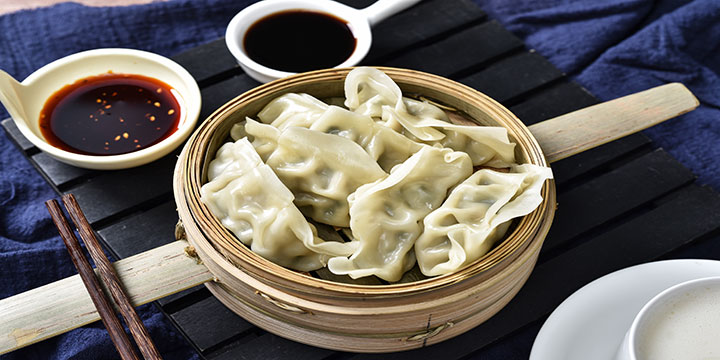
Jiaozi can be boiled, steamed or pan-fried and filled with pork, beef, lamb, chicken, shrimp, egg or vegetables. The wrapper and small serving format make portions easy to adjust, but the filling may contain soy sauce, sesame oil, shellfish or ingredients not obvious from the menu. Ask what is inside instead of relying on “vegetable” as an allergy guarantee. Freshly cooked boiled or steamed dumplings are generally softer than crisp-bottomed versions; cut one open first to release steam and assess the texture.
Use vinegar or chilli oil to taste rather than automatically emptying a full sauce dish. Dumplings can be one part of a meal, not a nutritional category by themselves. WHO food-safety advice emphasizes food cooked thoroughly and served at a safe temperature; choose a busy, clean operation, avoid lukewarm trays and do not save meat dumplings for hours without suitable refrigeration.
Hot pot offers control over broth, vegetables, tofu, noodles, fish and meat, so it can work well for mixed preferences. Choose a non-spicy or divided pot when useful and ask about the broth base; “clear” can still be salty or contain meat. Keep raw and cooked utensils separate, cook ingredients fully, and retrieve food with a clean utensil rather than one that touched raw meat. Order in rounds so ingredients do not overcook and the table stays manageable. Steam, a hot metal pot and a slippery floor are practical hazards, so request an uncrowded table with space for bags and mobility aids.

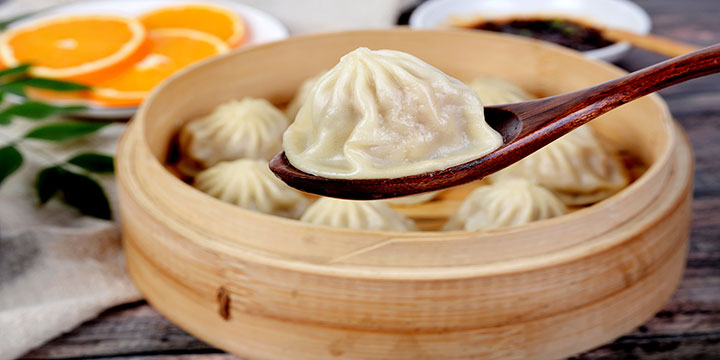
These thin-skinned soup dumplings are associated with Jiangnan food traditions and are commonly filled with pork, crab or a combination. Lift one onto a spoon, pierce or bite a small opening and allow the broth to cool before eating; the temperature is the main reason not to rush. Confirm shellfish, pork and sesame ingredients when relevant. Texture varies by shop, and a delicate wrapper does not make the filling low in fat or sodium. Pair a small basket with vegetables or another lighter dish rather than treating “bite-size” as unlimited.
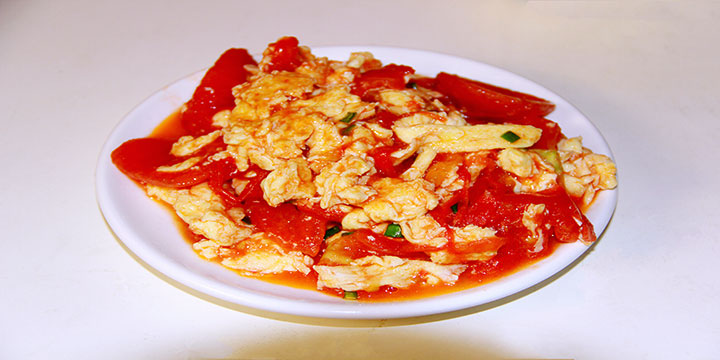
Fanqie chao dan is a common home-style combination of egg and tomato, usually served with rice. Its soft texture and recognizable ingredients can be reassuring after a long travel day. Recipes differ: some cooks add sugar, ketchup, more oil or a substantial amount of salt. Ask for less oil, sugar or salt when that matters, and remember that the restaurant may not be able to remove every seasoning from a prepared sauce. Anyone with an egg allergy still needs the same kitchen-specific questions as at home.
Cantonese dim sum is a style of small shared dishes, not one food. Steamed shrimp dumplings, rice rolls, buns, bean-curd rolls, congee and vegetables all have different textures and ingredients; fried spring rolls are only one option. Order two or three baskets first, then add more after everyone knows what works. Ask about shellfish, pork, sesame and peanut cross-contact, and check whether a seemingly vegetarian filling uses meat stock. Tea is part of the experience, but travelers with caffeine or fluid restrictions should follow their own plan rather than a universal recommendation.

China's vegetarian cooking ranges from temple-influenced dishes to modern plant-based restaurants. Braised tofu, mushrooms, greens, noodles and grain dishes can create a satisfying meal, while mock-meat products may contain wheat gluten, soy or highly seasoned sauces. Say whether the request excludes meat, seafood, egg, dairy, animal stock or all of them; the word “vegetarian” does not communicate every boundary. Choose enough protein and energy for the day's walking, and do not assume a decorative imitation dish is nutritionally lighter than the original.
Before departure, write an allergy or medical-diet card in clear English and Chinese, while recognizing that a card cannot guarantee a cross-contact-free kitchen. Book the first hotel where breakfast, seating and a refrigerator request can be confirmed using the China hotel checklist for senior travelers. At restaurants, order fewer dishes first, keep safely treated water available, and leave time between sightseeing and dinner.
Compare our China senior tour ideas , or request a food-focused itinerary that records allergies, preferred textures, meal times and rest needs. Keep the broader China travel tips for seniors beside the dining plan so meals support the day instead of competing with it.

From $ 1599

From on request

From $ 23332100
Editorial accountability
Hu Lei, CEO. The named owner is responsible for travel-planning accuracy and escalation of time-sensitive checks.
Yuntian Travel (Yunnan) Group is identified in its corporate profile as a licensed professional inbound travel service provider based in Kunming, China. Registration and travel-service documents can be requested before booking.
Page-specific references where cited, official destination, transport and entry notices, YUNSKY route-planning records, and direct provider confirmation before a booking is finalized.
Content is reviewed when rules, transport, access, pricing or route conditions change. Final availability and operating details are reconfirmed for each traveler’s dates.
Quality review: Page updated: