Your China & Yunnan Travel Experts


China's Silk Road is a network of historical corridors rather than one modern itinerary. A useful trip connects a manageable selection of eastern capitals, Hexi Corridor towns, desert oases and Xinjiang hubs. Start with the Silk Road destination comparison, trace their relationship in the Silk Road route guide, and use the Silk Road travel hub only for the next planning question.

Reading guide:
There is no single best month for every Silk Road stop. The route crosses monsoon-influenced Xian, the dry Hexi Corridor, the hot Turpan Basin and mountain environments in Xinjiang. Late spring and early autumn often balance walking comfort and broad access, but they do not guarantee clear skies, uncrowded sites or stable prices. Summer can suit grasslands and high country while creating serious heat in Turpan and Dunhuang; winter suits only travelers prepared for cold and reduced daylight.
Seasonal priorities:
| Qinghai Lake | Ili grasslands | Kanas forests | Huashan mountain conditions | Turpan harvest season |
| Check current seasonal access | Check grassland conditions | Check foliage timing | Check mountain weather | Check harvest dates |

Ili landscape
Holiday and demand note:
Avoid building a tight itinerary around any national-holiday period before checking that year's official calendar, rail availability and attraction controls.
For a dedicated comparison, read the Silk Road climate guide after the route is chosen.
Xian functions as the eastern anchor for understanding the imperial capital and the beginning of major westward connections. It earns its place when Terracotta Warriors, City Wall and museum collections answer the traveler's interests, not merely because it appears on every long Silk Road map. Terracotta Warriors Use this as one evidence-rich stop within the wider Silk Road story. Keep the Terracotta Warriors on a separate half or full day from the historic center. City Wall and museum collections Huashan is a substantial mountain excursion, not a quick city attraction. Xian regional context Xian planning image Read the current destination details and check dated admission information before reserving transport. Xian route-planning note Xian is best combined with the next geographically logical stop, with a realistic hotel-to-hotel transfer between them.
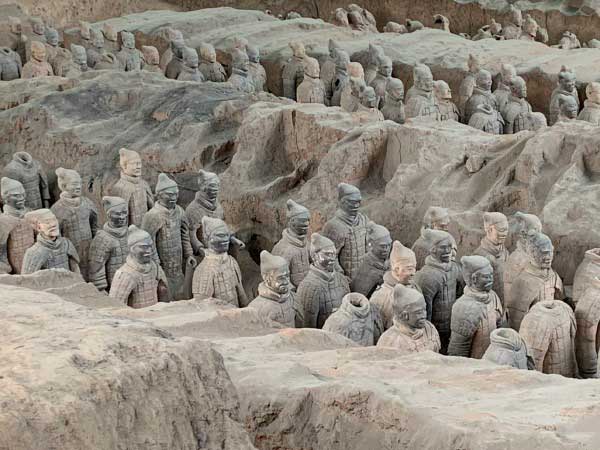
Do not promise weather, seasonal scenery or unrestricted access in Xian; verify live conditions close to travel.
Xian practical checkpoint Choose the number of nights by actual sightseeing days, not by the arrival and departure dates alone. Continue planning after confirming the route, current access and the traveler's pace.
Xining functions as a gateway to Qinghai's plateau landscapes and religious heritage. It earns its place when Qinghai Lake, Taer Monastery and the city's multiethnic food culture answer the traveler's interests, not merely because it appears on every long Silk Road map. Qinghai Lake Use this as one evidence-rich stop within the wider Silk Road story. Allow a full road day for Qinghai Lake and account for altitude, sun and wind. Taer Monastery and the city's multiethnic food culture The lake is not in central Xining, and seasonal flower imagery should never be guaranteed. Xining regional context Xining planning image Read the current destination details and check dated admission information before reserving transport.

Xining route-planning note
Xining is best combined with the next geographically logical stop, with a realistic hotel-to-hotel transfer between them. Do not promise weather, seasonal scenery or unrestricted access in Xining; verify live conditions close to travel. Xining practical checkpoint
Zhangye functions as a Hexi Corridor stop known for distinctive geology and layered Buddhist heritage. It earns its place when Zhangye Danxia and the Mati Temple grottoes answer the traveler's interests, not merely because it appears on every long Silk Road map. Zhangye Danxia and the Mati Temple grottoes Use this as one evidence-rich stop within the wider Silk Road story. Danxia and Mati Temple lie in different directions, so choose one priority if time is short. Zhangye Danxia and the Mati Temple grottoes Color and visibility at Danxia depend on light and weather; photographs are not a promise. Zhangye regional context
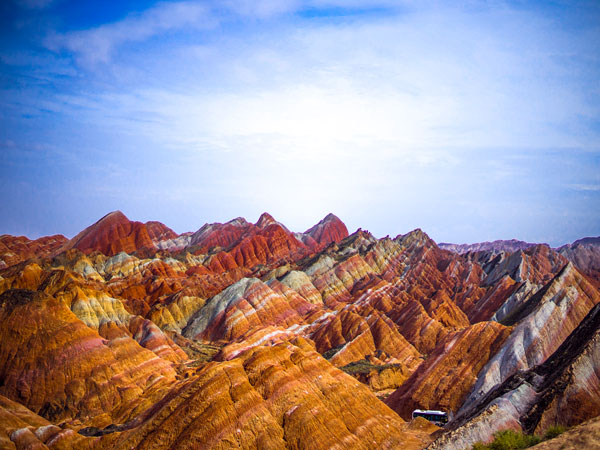
Zhangye planning image
Read the current destination details and check dated admission information before reserving transport. Zhangye route-planning note Zhangye is best combined with the next geographically logical stop, with a realistic hotel-to-hotel transfer between them.
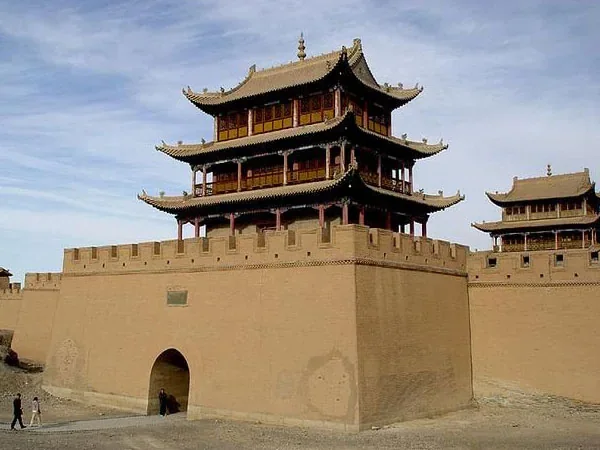
Jiayuguan functions as a strategic Hexi Corridor stop where Ming frontier architecture meets the westward route. It earns its place when Jiayuguan Pass and related Great Wall sites answer the traveler's interests, not merely because it appears on every long Silk Road map. Jiayuguan Pass and related Great Wall sites Use this as one evidence-rich stop within the wider Silk Road story. Group the pass and nearby wall sites by road geography rather than their names. Jiayuguan Pass and related Great Wall sites

The Ming pass belongs to a later historical layer than the Han-era opening of Silk Road exchange.
Jiayuguan regional context Jiayuguan planning image Read the current destination details and check dated admission information before reserving transport.
Dunhuang functions as a desert oasis and cultural crossroads near the branching routes around the Taklamakan. It earns its place when Mogao Caves, Mingsha Mountain and Crescent Spring answer the traveler's interests, not merely because it appears on every long Silk Road map. Mogao Caves Use this as one evidence-rich stop within the wider Silk Road story. Reserve timed heritage access separately from the exposed desert outing. Mingsha Mountain and Crescent Spring Mogao access rules and ticket products can change; use the current official channel and do not photograph where prohibited. Dunhuang regional context

Dunhuang planning image
Read the current destination details and check dated admission information before reserving transport. Dunhuang route-planning note Dunhuang is best combined with the next geographically logical stop, with a realistic hotel-to-hotel transfer between them.
Turpan functions as a low oasis basin that connects archaeology, irrigation history and Uyghur culture. It earns its place when Gaochang, the Karez system and the Flaming Mountains answer the traveler's interests, not merely because it appears on every long Silk Road map. Gaochang Use this as one evidence-rich stop within the wider Silk Road story. Move exposed ruins away from the hottest part of the day and carry water. the Karez system and the Flaming Mountains Several sites sit outside the city and require a planned vehicle rather than a casual walk. Turpan regional context Turpan planning image Read the current destination details and check dated admission information before reserving transport.

Turpan route-planning note
Turpan is best combined with the next geographically logical stop, with a realistic hotel-to-hotel transfer between them. Do not promise weather, seasonal scenery or unrestricted access in Turpan; verify live conditions close to travel. Turpan practical checkpoint
Urumqi functions as Xinjiang's main transport hub and a base for museums, markets and Tianshan excursions. It earns its place when Xinjiang Museum context, city districts and Tianchi as a separate mountain day answer the traveler's interests, not merely because it appears on every long Silk Road map. Xinjiang Museum context Use this as one evidence-rich stop within the wider Silk Road story. Keep a weather-flexible day for Tianchi and distinguish its conditions from central Urumqi. city districts and Tianchi as a separate mountain day Kanas and Ili are distant regions, not nearby Urumqi attractions; they need additional travel days. Urumqi regional context Urumqi planning image Read the current destination details and check dated admission information before reserving transport. Urumqi route-planning note Urumqi is best combined with the next geographically logical stop, with a realistic hotel-to-hotel transfer between them.

Do not promise weather, seasonal scenery or unrestricted access in Urumqi; verify live conditions close to travel.
Urumqi practical checkpoint Choose the number of nights by actual sightseeing days, not by the arrival and departure dates alone. Continue planning after confirming the route, current access and the traveler's pace.
Kashgar functions as a western oasis where routes converged before crossing the Pamirs and continuing into Central Asia. It earns its place when Kashgar Old City, markets and a carefully planned Karakul Lake road day answer the traveler's interests, not merely because it appears on every long Silk Road map. Kashgar Old City Use this as one evidence-rich stop within the wider Silk Road story. Use one day for the historic urban fabric and another for any mountain-road excursion. markets and a carefully planned Karakul Lake road day Border-area access, road conditions and document rules can change; verify current requirements before booking. Kashgar regional context

Kashgar planning image
Read the current destination details and check dated admission information before reserving transport. Kashgar route-planning note Kashgar is best combined with the next geographically logical stop, with a realistic hotel-to-hotel transfer between them.
First decide what the journey should explain: imperial origins, Buddhist art, desert landscapes, living oasis culture or a combination. Then protect full sightseeing days and count every long transfer separately.
With limited time, choose one coherent subregion instead of collecting airport and station names. A Xian–Dunhuang history route or a Urumqi–Turpan–Kashgar Xinjiang route can be more satisfying than a rushed cross-country checklist.
► Short Xinjiang oasis introduction Urumqi and Turpan, with current transport checked
► Xinjiang culture and western-oasis route Urumqi, Turpan and Kashgar with realistic flight or rail time
Kanas requires a dedicated northern Xinjiang extension and should not be inserted as a casual day trip from Urumqi.
► Northern Xinjiang landscape extension Urumqi, Burqin area and Kanas with seasonal access verified

Kanas regional landscape
A medium-length journey can link Xian or Lanzhou with selected Hexi Corridor stops, then continue to Turpan and Urumqi. Do not add every historic name unless it contributes a distinct experience.
► Hexi Corridor and Xinjiang by rail Xian, Tianshui or Lanzhou, Jiayuguan, Dunhuang, Turpan and Urumqi
► Gansu corridor heritage route Lanzhou, Zhangye, Jiayuguan and Dunhuang, with Beijing only if it serves the international plan
A longer trip may connect Beijing or Shanghai, but those cities should receive their own sightseeing time. They are gateways, not decorative additions to a Silk Road title.
► China gateway and Silk Road overview Shanghai, Xian, Dunhuang, Turpan, Urumqi and Beijing
► Extended eastern-to-western Silk Road route Beijing, Urumqi, Kashgar, Turpan, Dunhuang, Jiayuguan, Xian and Shanghai, reordered when current transport makes another sequence stronger
If the route still feels unclear, write down three non-negotiable experiences, the available full days and the preferred transport comfort. Request itinerary planning only after those decisions are explicit; customization should solve route conflicts rather than merely add stops. Build a private proposal that identifies transfer days, current booking dependencies and optional sections.
Review the Silk Road tour collection as examples rather than fixed promises.
Use trains for suitable city-center connections, flights to bridge very long distances, and private vehicles for sites away from rail stations. Current schedules and station names must be checked for the travel dates; old journey times are not dependable planning facts.
► Xian–Xining: compare current high-speed rail services with the total airport journey, including security and transfers.
► Xining–Zhangye: verify the dated rail route and choose a seat that fits luggage and mobility needs.
► Zhangye–Jiayuguan: rail can link the cities, while a vehicle is still needed for outlying scenic sites.
► Jiayuguan–Dunhuang: compare current rail, road and flight options; distinguish Dunhuang station from Liuyuan stations before booking.
► Dunhuang–Turpan–Urumqi: verify the actual departure station, overnight timing and hotel access at arrival.
► Urumqi–Kashgar: compare flight and rail according to available days; a long train is an experience only when the schedule allows it.
Northwestern Chinese food reflects wheat-growing regions, Muslim culinary traditions, oasis agriculture and many local communities. Look for hand-pulled noodles, breads, lamb or beef dishes and regional produce, but do not label every local dish halal without current restaurant confirmation. Travelers with dietary restrictions should ask about stock, cooking oil and cross-contact.

Xian roujiamo
Dry conditions increase the need for water and balanced meals, while long road and rail days justify carrying simple snacks. Xinjiang grapes, melons, pomegranates and apricots are seasonal products, not guaranteed year-round; wash or peel fresh produce according to personal health needs.
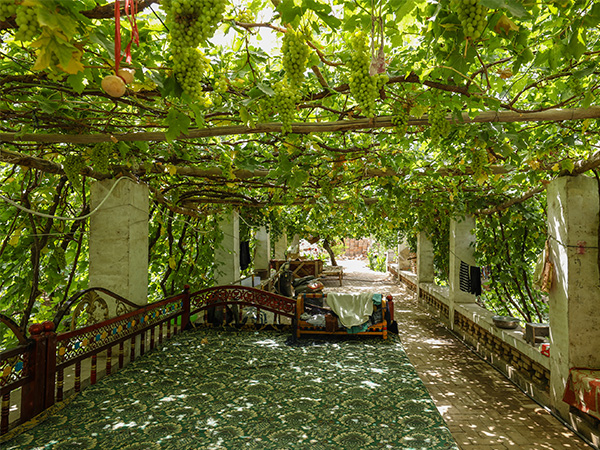
Turpan grape-growing landscape
► In Xian, compare the Bell Tower and City Wall area with the exact railway or airport transfer needed next.
► In Xining, prioritize a practical city base and plan Qinghai Lake as a separate road excursion.
► In Zhangye, choose between city convenience and early access to Danxia; Mati Temple lies in another direction.
► In Jiayuguan, map the hotel against the pass, railway station and evening dining rather than choosing by a district label.
► In Dunhuang, Mingsha proximity can help an early desert visit, while the city center may be stronger for meals and transport.
► In Turpan, confirm climate control, passport registration and vehicle access to outlying ruins.
► In Urumqi, compare the museum, market areas and the correct station or airport transfer.
► In Kashgar, an Old City edge can support walking, but vehicle access and luggage drop-off need confirmation.
What to Prepare
What to Know
Continue with Silk Road Travel Tips for focused planning topics.
| Chinese | Pinyin | English |
| 你好 | Nǐ hǎo | Hello |
| 再见 | Zàijiàn | Goodbye |
| 谢谢 | Xièxie | Thank you |
| 不客气 | Bú kèqi | You're welcome |
| 对不起 | Duìbuqǐ | Sorry |
| 请问卫生间在哪里? | Qǐngwèn, wèishēngjiān zài nǎlǐ? | Excuse me, where is the restroom? |
| 多少钱? | Duōshao qián? | How much is it? |
For pronunciation and additional situations, see Survival Chinese phrases and save the most important lines offline.
 How to plan a trip to Hangzhou?
How to plan a trip to Guizhou?
Top Reasons to Visit China, China Facts & Where to Visit in China
From $ 3510
From $ 3061

From $ 3683
