Your China & Yunnan Travel Experts

 Ask a Question
Merchants were central to the Silk Road , but they did not form one profession or travel the entire Eurasian distance. Shopkeepers, caravan organizers, translators, money handlers, animal owners and state envoys worked within overlapping regional systems. Compare their cargo in the goods guide, examine silk in the silk trade guide, and follow geography through the Silk Road route guide. Contracts, letters, coins and tomb art help reconstruct these networks, but each source reflects a particular community and period rather than a universal merchant experience.
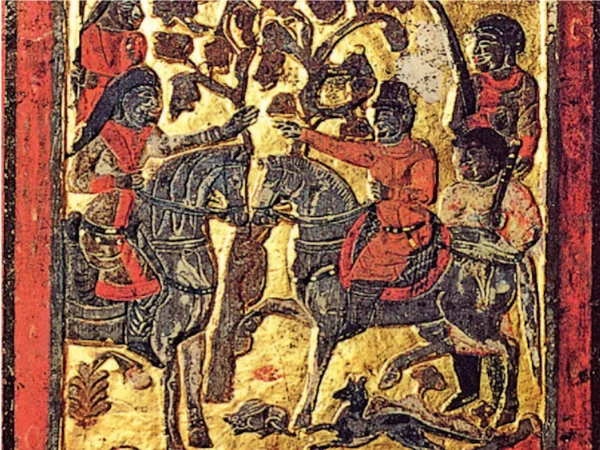
Before modern transport, long-distance exchange depended on local knowledge, pack animals, storage, credit and safe stopping places. Merchants on the Silk Road managed risk by traveling in groups, hiring specialists or selling to another network. Caravan size varied; images of hundreds of camels should not be treated as a universal standard.
During the Han and Tang dynasties , court policy and urban growth affected commercial opportunity, but trade did not flow continuously in a permanent “golden age.” War, taxes, border controls and environmental change could redirect traffic.
Merchants carried objects and also transmitted words, stories, artistic preferences and practical knowledge. That cultural role emerged from repeated contact rather than a planned mission to unite East and West. Chinese historical records often describe foreign traders through the categories of the recording court. Read those labels carefully: Central Asian communities were internally diverse, and nomadic, farming and urban economies could overlap.
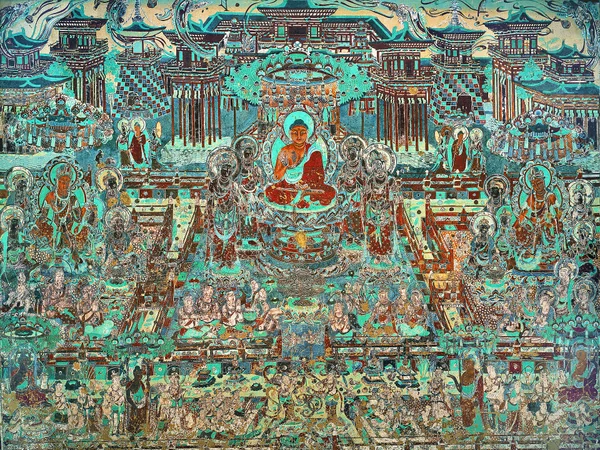
Among the best-documented merchant communities of the Silk Road were Sogdians, an Iranian-speaking people centered in Transoxiana. Sogdian networks were influential from late antiquity into the early medieval period, but calling them the only or universally “most successful” traders erases other communities. Their roles included commerce, diplomacy, interpretation, craft and religious transmission. Settlements and tombs in Gansu and northern China provide evidence of families who lived far from Central Asia.
Diplomatic missions and trade could overlap because tribute systems created controlled opportunities for exchange. The difference between envoy, merchant and official depended on the source and political setting. Marco Polo belongs to a much later thirteenth-century context. His account describes service at the Yuan court and an overland arrival with a maritime return, but historians continue to debate parts of the narrative. Use it as one influential travel text, not as a typical biography of every Silk Road merchant.
From $ 3510
From $ 3061

From $ 3683