Your China & Yunnan Travel Experts


 Ask a Question
The Xia is traditionally dated to roughly 2070–1600 BCE and is described in later texts as China's earliest dynasty. Archaeologists continue to debate how particular Bronze Age sites relate to the dynasty named in those records. What is clear is that settlements in the Central Plains were developing more complex agriculture, craft production and political organization. This distinction between traditional chronology and archaeological evidence is important when reading any concise timeline of early China.
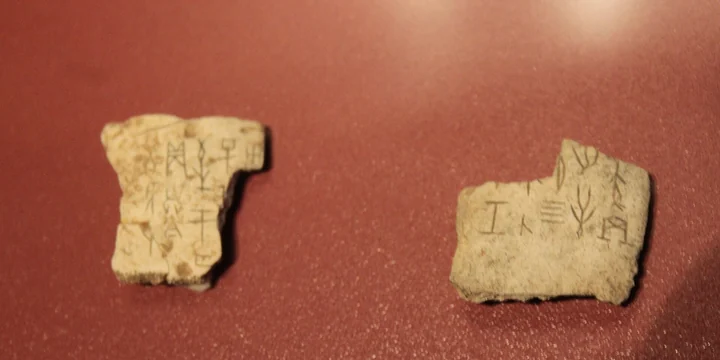
Shang: The Shang dynasty, conventionally dated to about 1600–1046 BCE, left the earliest substantial body of Chinese writing. Divination records carved on turtle shells and animal bones identify rulers, rituals, warfare and harvest concerns. Elite bronze casting reached an exceptional technical level, as surviving ritual vessels demonstrate. The late Shang capital at Anyang is especially important because inscriptions and excavated remains can be studied together, giving historians a firmer evidence base than for the preceding period.
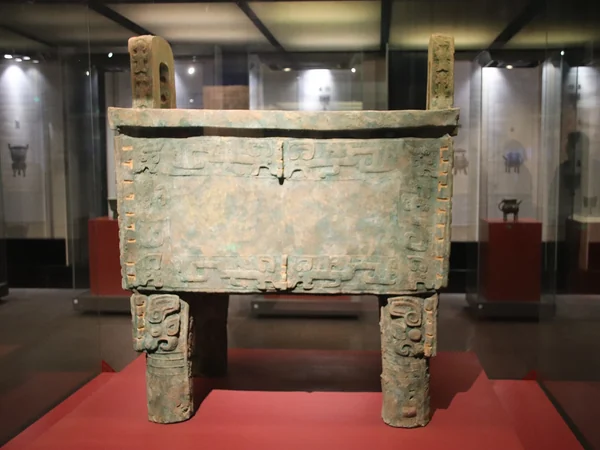
Zhou: The Zhou dynasty began around 1046 BCE and lasted until 256 BCE. Historians divide it into Western Zhou and Eastern Zhou; the latter includes the Spring and Autumn and Warring States periods. Political authority became increasingly fragmented, yet the era produced influential debates about ethics, government and social order. Confucian, Daoist, Mohist and Legalist ideas all took shape in this environment, while states introduced administrative and military reforms that prepared the ground for later unification.
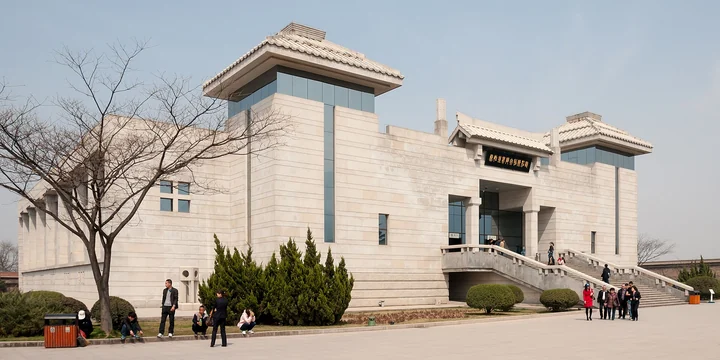
The imperial era began with Qin unification in 221 BCE and ended when the Qing dynasty fell in 1912. Across more than two millennia, courts expanded or contracted territory, rebuilt institutions, collected taxes and managed transport networks, while local societies retained strong regional identities. Trade also connected China to Central Asia and maritime routes; the broader China Silk Road story is therefore part of political, economic and cultural history rather than a single road or one dynasty.
Qin: In 221 BCE, the state of Qin defeated its rivals and established the first unified imperial dynasty. The court standardized measures, currency and writing practices, connected defensive walls and organized commanderies under central authority. Qin rule was brief, ending in 206 BCE, but its administrative model influenced later dynasties. Near Xi'an, the Terracotta Army forms part of the vast mausoleum complex built for the First Emperor and provides unusually vivid material evidence of the period.
Han: The Han dynasty ruled from 206 BCE to 220 CE, interrupted by the short Xin dynasty. Its governments consolidated the imperial system, expanded frontier contacts and adopted Confucian learning as an important basis for official education. Overland exchange reached far into Central Asia, while technologies, crops and ideas moved in several directions. The name “Han” later became closely associated with China's majority ethnic group, although the empire itself contained varied communities and border regions.
Three Kingdoms, Jin, Sui and Tang: After the Han collapsed, the rival states of Wei, Shu and Wu dominated the Three Kingdoms period from 220 to 280. The Jin reunified the realm briefly, followed by further division. The Sui restored unity in 589 and expanded the canal system, but fell in 618. The Tang dynasty then governed until 907, presiding over an influential cosmopolitan age in which Chang'an became a major political and cultural center and long-distance exchange flourished.
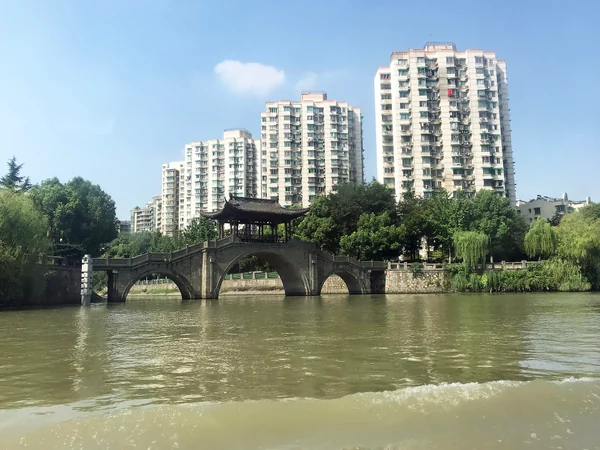
Song: The Song dynasty ruled from 960 to 1279, first from Kaifeng and later from Hangzhou. Commercial growth, urban life, printing, scholarship and technological innovation marked the period. Paper money appeared on a significant scale, maritime trade expanded and an educated civil bureaucracy played a central role in government. Although the Song faced powerful neighboring states and eventually lost the north, its economic and cultural achievements had lasting influence across China and East Asia.
Yuan: Kublai Khan proclaimed the Yuan dynasty in 1271, and Mongol forces completed the conquest of the Southern Song in 1279. The court governed a vast and diverse realm from Dadu, present-day Beijing, and maintained connections across the wider Mongol world. Movement of merchants, envoys and specialists increased, but society was also shaped by hierarchy, taxation and regional unrest. The dynasty ended in 1368 when Ming forces took the capital.
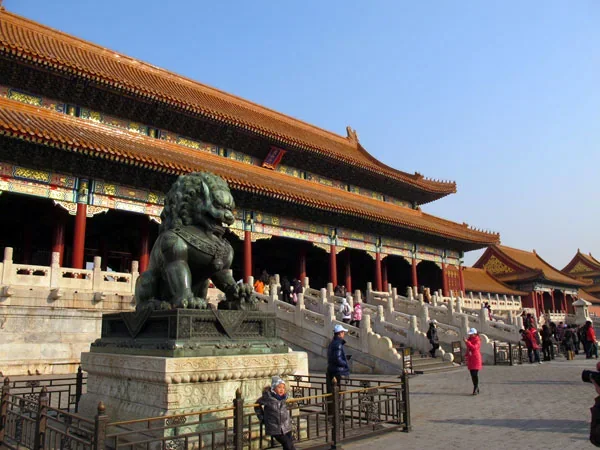
Ming: The Ming dynasty ruled from 1368 to 1644. Its founder, the Hongwu Emperor, rebuilt central institutions after the Yuan. Later emperors moved the capital to Beijing, constructed much of the Forbidden City and sponsored the maritime voyages associated with Zheng He. Agricultural production, craft industries and commercial networks expanded, while silver became increasingly important to taxation and exchange. Fiscal strain, climate pressures, rebellion and conflict on the northern frontier contributed to the dynasty's fall.
Qing: The Qing dynasty, established by the Manchus, ruled China from 1644 until 1912. Under the Kangxi, Yongzheng and Qianlong emperors, the empire expanded and administered a large multi-ethnic territory. The nineteenth century brought internal rebellions, foreign wars, unequal treaties and difficult reform efforts. The 1911 Revolution ended imperial rule, and the last emperor abdicated in 1912. Qing palaces, gardens, temples and archives remain central sources for understanding late imperial China.
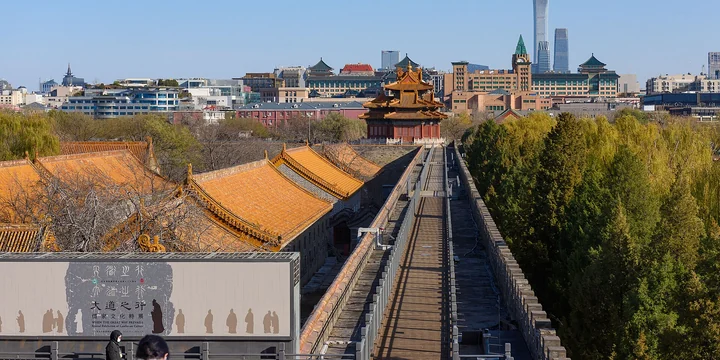
Republic of China: The Republic of China was founded in 1912 after the Qing collapse. The following decades included competing governments, regional military power, political movements, Japanese invasion and a long civil war. Sun Yat-sen is remembered as a founding revolutionary figure, while Yuan Shikai, Chiang Kai-shek and many other leaders shaped different stages of the republic. The war against Japan from 1937 to 1945 caused immense destruction and displacement before civil conflict resumed.
People's Republic of China: The People's Republic of China was founded in 1949, with Beijing as its capital. Its history includes land and industrial campaigns, the social upheaval of the Cultural Revolution, and major economic reforms beginning in the late 1970s. Reform and opening accelerated urbanization, manufacturing, infrastructure and international exchange. Contemporary China is best understood by separating these distinct phases and consulting current statistics alongside historical accounts, because rapid change has affected regions and generations differently.
|
Dynasty
|
Time
|
|
Xia Dynasty
|
2,100 B.C. – 1,600 B.C.
|
|
Shang Dynasty
|
1,600 B.C. – 1,100 B.C.
|
|
Zhou Dynasty
|
1,100 B.C. – 256 B.C.
|
|
Spring and Autumn Period and Warring States Period
|
770 B.C. – 221 B.C.
|
|
Qin Dynasty
|
221 B.C. – 206 B.C.
|
|
Han Dynasty
|
202 B.C– 280 A.D.
|
|
Three Kingdoms Period
|
220 A. D. – 280 A.D.
|
|
Jin Dynasty
|
265 A.D. – 420 A.D.
|
|
Sui Dynasty
|
581 A.D. – 618 A.D.
|
|
Tang Dynasty
|
618 A.D. – 907 A.D.
|
|
Song Dynasty
|
960 A.D. – 1279 A.D.
|
|
Yuan Dynasty
|
1271 A.D. – 1368 A.D.
|
|
Ming Dynasty
|
1368 A.D. – 1644 A.D.
|
|
Qing Dynasty
|
1644 A.D. – 1911 A.D.
|
|
Morden time
|
1911 A.D. – 1949 A.D.
|
|
People's Republic of China
|
1949 A.D. – Present
|