Your China & Yunnan Travel Experts

A Museum of Naxi Dongba Culture visit can help turn Lijiang's cultural names and decorative signs into questions about manuscripts, objects and interpretation. Choose it because you want to understand a subject, not simply to add another building to an old-town walk. Allow a flexible museum-focused part of a half-day, with enough time to read or hear explanations.
Older travel descriptions use Dongba museum names and associate the visit with the Black Dragon Pool area. Confirm the exact current venue, Chinese name, entrance and display arrangements before traveling. This guide does not repeat old admission prices, collection totals or bus routes as current facts.
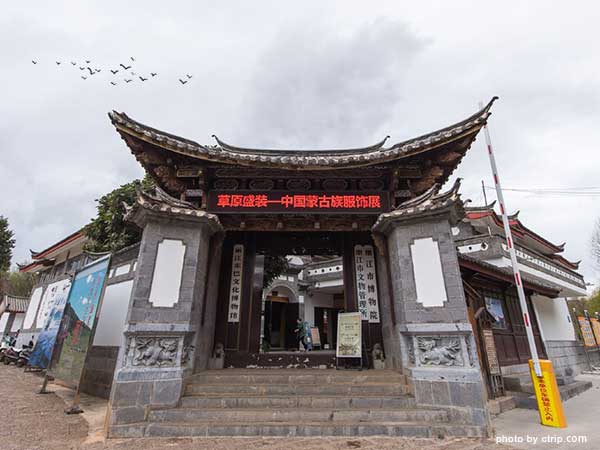
The useful themes are the relationship between objects, specialist knowledge and the people who made or used them. Depending on the actual exhibition, manuscripts, ritual objects, historical material or architectural interpretation may provide starting points. Do not assume every category in a general description is currently on display.
Read the Naxi culture guide first to separate Naxi identity from Dongba specialist traditions. A museum presents selected material; it does not imply that the culture exists only in museums or that every Naxi person shares the same beliefs and practices.
| Question | Why it matters |
|---|---|
| What is the object? | A manuscript, ritual item, tool or modern teaching example serves a different purpose |
| Who made or used it? | Specific people and context are more informative than a broad ethnic label |
| What is its date and provenance? | Age and origin should come from the label or explanation, not appearance |
| Is it original, restored or reproduced? | A reproduction can teach something useful without being mistaken for an original |
For manuscripts, ask how the signs relate to oral knowledge and specialist interpretation. Dongba pictorial writing should not be treated as a simple universal alphabet that can translate any modern sentence one symbol at a time.
For objects associated with religious practice, distinguish an explanatory display from an active ceremony. An exhibition label does not invite visitors to handle, imitate or perform a practice without guidance.
A visitor with a general interest may prefer a focused selection of exhibits rather than every room. Someone interested in writing, religion or material culture may need more time and a guide who can explain that particular subject. Ask what interpretation language is available.
An older recommendation of one or two hours is only a planning lead. The current exhibition, reading pace, translation and group interest determine the useful duration. Place the museum inside a flexible half-day rather than between two tightly timed appointments.
For families, choose a few questions or objects and leave before attention is exhausted. Avoid turning the visit into a list of unexplained artifact names. A short, well-interpreted visit can be more useful than staying longer without understanding the display.
Confirm the venue's current name, entrance, opening days, reservation or admission requirements and any relationship to a wider park ticket. Do not assume an older free-entry or old-town-fee statement still applies. Ask whether temporary closures or exhibition changes affect the subject you want to see.
Check steps, surfaces, seating and the actual access route if mobility matters. A museum label does not establish a fully accessible visit. Ask about photography and recording for the current exhibition, including any restrictions on flash or particular objects.
The language guide helps keep the Chinese venue name and a precise meeting point. The transport guide helps connect the visit to an old-town hotel whose vehicle entrance may be elsewhere.
A Lijiang town walk can show the spatial and contemporary setting after the museum introduces objects and history. A visit around the Black Dragon Pool area may fit if current access and the exact route support it. Do not assume proximity in an older article proves a simple entrance-to-entrance walk.
A Naxi music performance offers a different form of cultural transmission to investigate. Keep it as a separate experience with its own program and timing, rather than describe it as a performance automatically included in museum admission.
For a broader historical interest, use the Yunnan history guide to ask about periods, trade and restoration. The communities guide keeps present-day people visible alongside historical material.
Compare admission, transport and interpretation separately. A vehicle-only arrangement does not include the same explanation as a subject-focused guided visit. Use the budget guide to identify what the actual quotation covers.
If a special demonstration is proposed, ask who provides it, what is shown, whether it is an educational presentation and how it is arranged. Do not assume that a private ritual can be purchased as a normal museum add-on.
The broader subject can include manuscripts, objects and other cultural interpretation, depending on the current exhibition. Confirm the displays relevant to your interests before visiting.
It should not be understood that way. The manuscript tradition involves specialist context and oral knowledge, so ask how the particular example is interpreted.
This guide does not state a current admission price. Confirm the exact venue and any booking or wider-area ticket requirements rather than rely on older travel copy.
Reserve a flexible museum-focused part of a half-day, then adjust for the current display, language support and your interest. A fixed duration is not useful for every visitor.
Ask about the current exhibition rules and follow restrictions on particular objects or recording methods. Entry does not automatically permit every photograph.
Potentially, as two separately confirmed experiences. Check the music venue, program and timing; do not assume a performance is part of museum admission.
Compare Yunnan itinerary ideas for enough time in Lijiang. To focus on manuscripts or cultural history, request a Lijiang day with an appropriately interpreted museum visit.
Editorial accountability
Hu Lei, CEO. The named owner is responsible for travel-planning accuracy and escalation of time-sensitive checks.
Yuntian Travel (Yunnan) Group is identified in its corporate profile as a licensed professional inbound travel service provider based in Kunming, China. Registration and travel-service documents can be requested before booking.
Page-specific references where cited, official destination, transport and entry notices, YUNSKY route-planning records, and direct provider confirmation before a booking is finalized.
Content is reviewed when rules, transport, access, pricing or route conditions change. Final availability and operating details are reconfirmed for each traveler’s dates.
Quality review: Page updated: