Your China & Yunnan Travel Experts



Recognizing Chinese Cabinet Forms
Two common tall-cabinet profiles are useful starting points:
Storage, Pairs and Room Arrangement
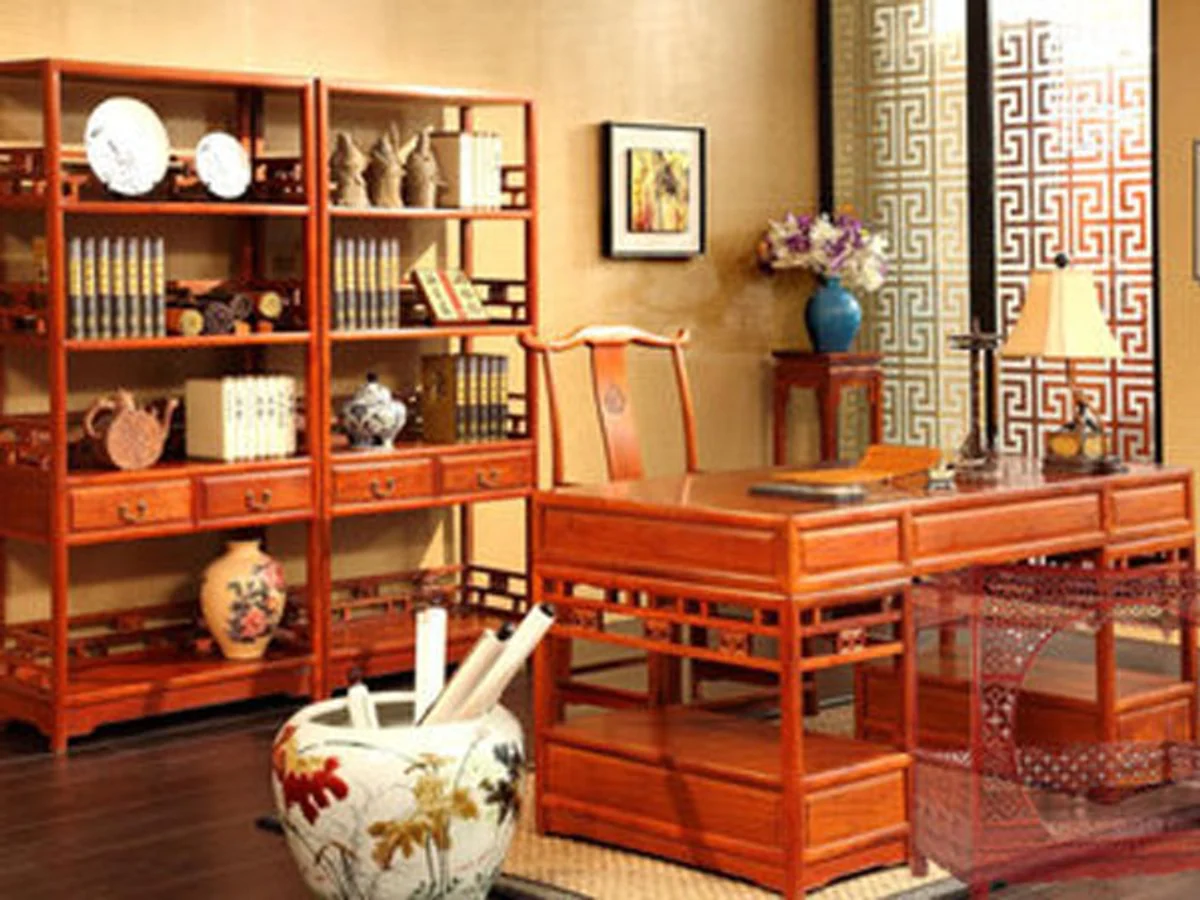
Some surviving cabinets were made or displayed as pairs, especially in formal interiors, but many were not. Placement followed the room's use, available space and household status. A wardrobe might separate hats from clothing and bedding; an altar coffer could combine drawers with a long compartment for scrolls. Look inside as carefully as outside: shelf positions, wear, later partitions and patched joints can reveal changing use. The related Ming furniture guide explains how halls, studies and bedrooms shaped furniture types.
Lacquer, Paint and Decorative Surfaces
Chinese Cabinets and European Chinoiserie Are Not the Same
Thomas Chippendale was an influential 18th-century British designer and cabinetmaker, not a leading manufacturer of antique Chinese cabinets. European “Chinese taste” or chinoiserie furniture used imagined East Asian motifs for European consumers. It should not be catalogued as Chinese merely because it has fretwork, a pagoda-like crest or lacquer-style decoration.
When an auction listing says “Chinese Chippendale,” read it as a Western design category. Confirm where the object was made, which components are original and whether its decorative program was produced for a domestic Chinese setting, export market or later revival. This distinction protects both Chinese furniture history and European design history from being collapsed into one label.
Chinese Lacquer Cabinets: History and Materials
Lacquered wood furniture existed in China many centuries before the 1920s. Traditional East Asian lacquer is associated with processed sap from lacquer trees, applied in carefully built layers; other painted, varnished or modern synthetic coatings can look similar in photographs. The old claim that lacquer furniture arose from surplus First World War cotton confuses unrelated industrial materials and has no place in a responsible object history.
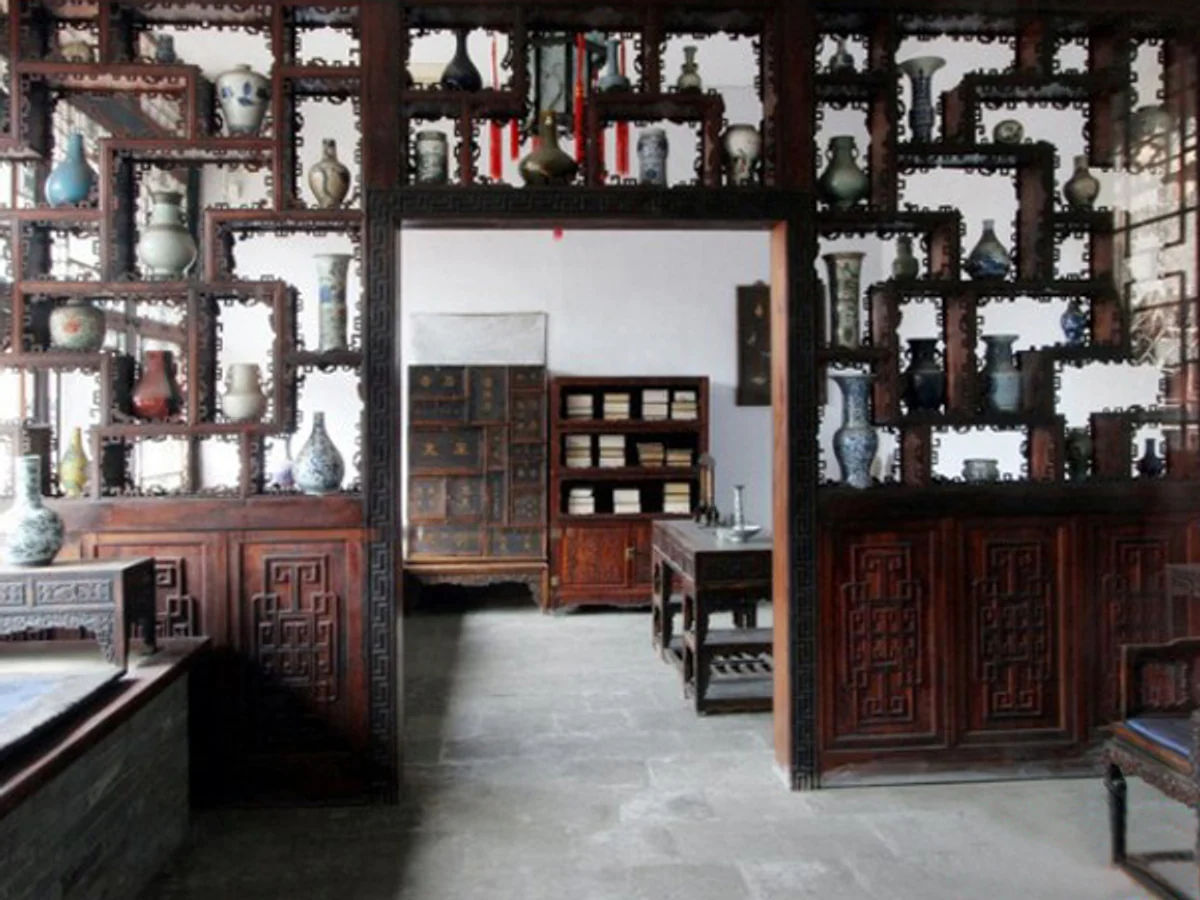
Keep valuable furniture away from strong sunlight, heaters, air-conditioning outlets and abrupt humidity changes. Lift it by structurally sound framing rather than doors or decorative rails, and do not force a swollen lock or joint. Traditional lacquer can cause skin reactions during manufacture, while unknown later coatings or solvents present other hazards. Owners should seek a furniture conservator before cleaning, consolidating, stripping or refinishing.
Buying Checklist: Provenance Before Promises
Ask for dimensions, clear photographs of the back and underside, a condition report, restoration history, invoices and any export or import documents. Terms such as “antique,” “imperial,” “huanghuali” and “Qing” need evidence. Timber identification may require specialist analysis, and international trade rules can depend on species, age and jurisdiction. Compare more ornate examples in our Qing dynasty furniture guide, then arrange an independent inspection before a high-value purchase. Museum comparisons educate the eye; they do not authenticate a seller's cabinet.
Editorial accountability
Hu Lei, CEO. The named owner is responsible for travel-planning accuracy and escalation of time-sensitive checks.
Yuntian Travel (Yunnan) Group is identified in its corporate profile as a licensed professional inbound travel service provider based in Kunming, China. Registration and travel-service documents can be requested before booking.
Page-specific references where cited, official destination, transport and entry notices, YUNSKY route-planning records, and direct provider confirmation before a booking is finalized.
Content is reviewed when rules, transport, access, pricing or route conditions change. Final availability and operating details are reconfirmed for each traveler’s dates.
Quality review: Page updated: