Your China & Yunnan Travel Experts



Classical writings connected jade's physical qualities with virtues such as benevolence and integrity. Those associations are cultural interpretations, not a mineral identification test. Turquoise, agate, crystal, amber and malachite are distinct materials even when older collections grouped precious stones together.
Neolithic jade traditions developed in several regions. Liangzhu culture in the lower Yangtze is especially known for cong tubes, bi discs and other forms, while Hongshan sites in northeast China produced different pendants and ritual objects. These works were laboriously abraded, drilled and polished with tools and abrasive materials; their archaeological context is central to understanding them.
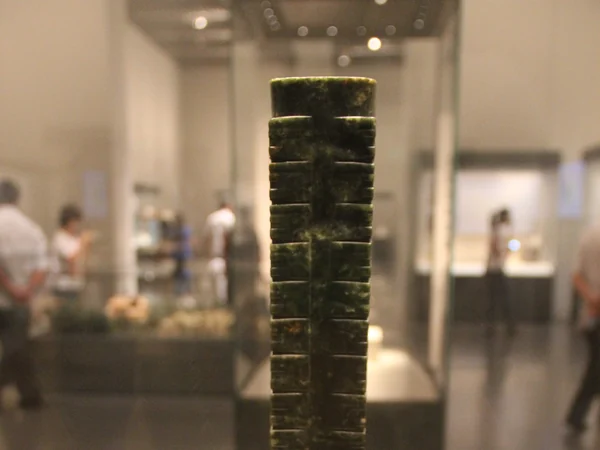
Liangzhu jade cong
Shang-period jade from sites such as Anyang includes animals, human figures, blades, ornaments and ritual forms. Later periods reinterpreted earlier shapes, which means an archaic-looking vessel is not necessarily ancient. Museum dating uses material, technique, style, inscriptions and provenance together.
Qing court workshops produced technically ambitious carvings, including vessels, mountains, animals and works inspired by earlier ritual bronzes or foreign forms. Their diversity makes “Qing jade” a period context, not one quality grade.
Cultural meaning
Jade has been associated with rank, ritual, remembrance, protection and personal virtue in different periods. Pendants and bracelets can carry auspicious meaning, but statements that jade physically transmits virtue, prevents misfortune or treats illness are beliefs, not established medical effects. Appreciate symbolism without turning it into a health claim.
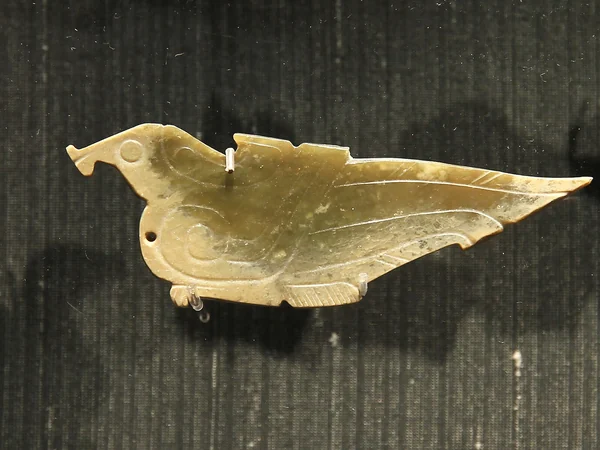
Chinese jade pendant
Characteristics of Chinese jade
Nephrite is an amphibole mineral aggregate; jadeite is a pyroxene mineral aggregate. Both are tough, but color, translucency and texture vary widely. Terms such as “soft jade” and “hard jade” can mislead because jade toughness is not the same as simple scratch hardness. Lapis lazuli, turquoise, agate and malachite may be carved in China but are not jade mineralogically.
Hetian nephrite from the Kunlun region, Xiuyan serpentine and other regional stones have long histories in Chinese carving. Lantian and Dushan materials also appear in commerce, but their mineral composition is not identical. The Chinese jade origins guide provides the cluster-level comparison; laboratory identification is still required for a valuable purchase.

Xiuyan Jadeis associated with Xiuyan in Liaoning and commonly refers to serpentine-rich material. Its color and translucency vary. Production-volume claims change over time and are not a substitute for identifying a specific object.
Functions of Jade Ware
Jade objects have served ritual, burial, dress, status, devotional, decorative and collecting functions. To place them in context, compare archaeological collections with later court art. Shopping pages can help with the next step: read the Beijing jade guide before markets, and use the Kunming jade shopping guide for destination-specific planning. Neither page replaces independent authentication for a costly piece.
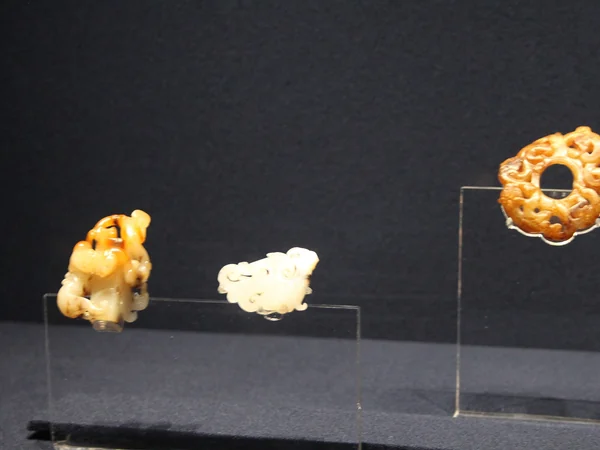
Chinese jade ornaments
How to maintain jade ware
2. For a modern, untreated piece, use only care recommended by the seller or a qualified conservator. Do not assume soap, soaking or ultrasonic cleaning is safe for every jade, setting, adhesive or surface treatment.

Neolithic jade ceremonial axe
Editorial accountability
Hu Lei, CEO. The named owner is responsible for travel-planning accuracy and escalation of time-sensitive checks.
Yuntian Travel (Yunnan) Group is identified in its corporate profile as a licensed professional inbound travel service provider based in Kunming, China. Registration and travel-service documents can be requested before booking.
Page-specific references where cited, official destination, transport and entry notices, YUNSKY route-planning records, and direct provider confirmation before a booking is finalized.
Content is reviewed when rules, transport, access, pricing or route conditions change. Final availability and operating details are reconfirmed for each traveler’s dates.
Quality review: Page updated: