Your China & Yunnan Travel Experts



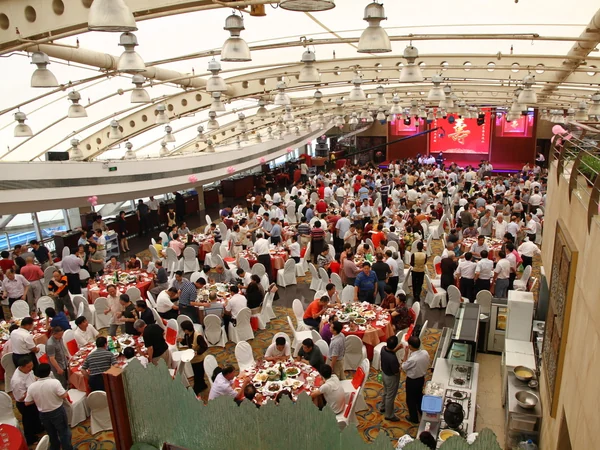
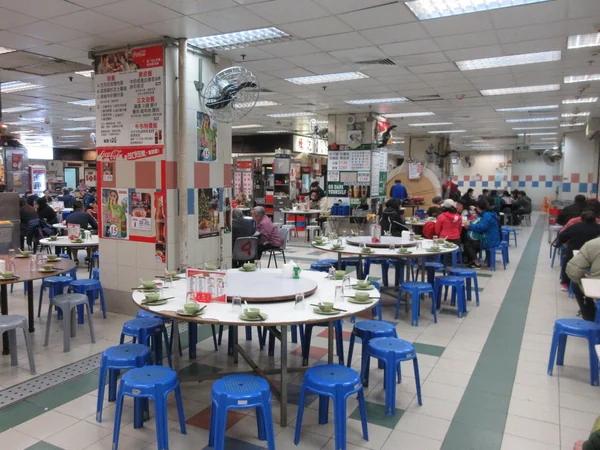
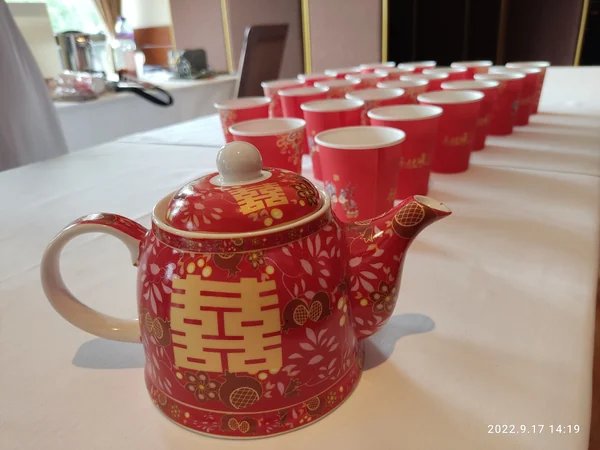
Traditional Chinese etiquette is not a single national rulebook. Contemporary manners reflect family habits, region, generation, setting and the relationship between people. For travelers, the most useful principles are to observe the host, handle objects with care, avoid forcing participation and ask when a ritual is unfamiliar. Greetings may be spoken, accompanied by a nod or, in a heritage setting, use a fist-and-palm salute. At a home visit, choose a proportionate gift and present it neatly; the Chinese gift-giving guide explains how polite refusal and opening customs vary. During meals, wait for seating guidance, use serving utensils when provided, and do not plant chopsticks upright in rice. Shared dishes are social, but allergies, religious practice and personal boundaries still matter; see Chinese table manners for a complete dining guide. “Face” is better understood as social dignity and relationship management than as a reason to avoid honest communication. Correct mistakes discreetly, accept tea or a toast without pressure, and offer a non-alcoholic alternative freely. At weddings, ceremonies may include tea service, red envelopes and banquet toasts, yet every element is optional and regionally shaped. Photography, temple behavior, private homes and family rites all require permission. Business settings normally prioritize names, roles, punctuality and clear communication over theatrical ritual; exchange a business card carefully if the other person offers one, but do not assume every meeting requires cards. In temples and ancestral spaces, follow posted rules, lower your voice and never touch offerings or ritual objects. If you make a small mistake, apologize briefly and adjust instead of giving a long cultural explanation. This hub introduces seven deeper topics; use the one that matches the decision in front of you rather than memorizing a list of taboos.
Editorial accountability
Hu Lei, CEO. The named owner is responsible for travel-planning accuracy and escalation of time-sensitive checks.
Yuntian Travel (Yunnan) Group is identified in its corporate profile as a licensed professional inbound travel service provider based in Kunming, China. Registration and travel-service documents can be requested before booking.
Page-specific references where cited, official destination, transport and entry notices, YUNSKY route-planning records, and direct provider confirmation before a booking is finalized.
Content is reviewed when rules, transport, access, pricing or route conditions change. Final availability and operating details are reconfirmed for each traveler’s dates.
Quality review: Page updated: