Your China & Yunnan Travel Experts



Lian and Mianzi Are Related, Not Identical
Do not “read face” from silence alone. A delayed answer can reflect uncertainty, hierarchy, language processing or lack of authority. Ask a low-pressure follow-up, give the person time and confirm the decision in writing. Respect never requires accepting an unsafe instruction, hidden fee or inaccurate statement.
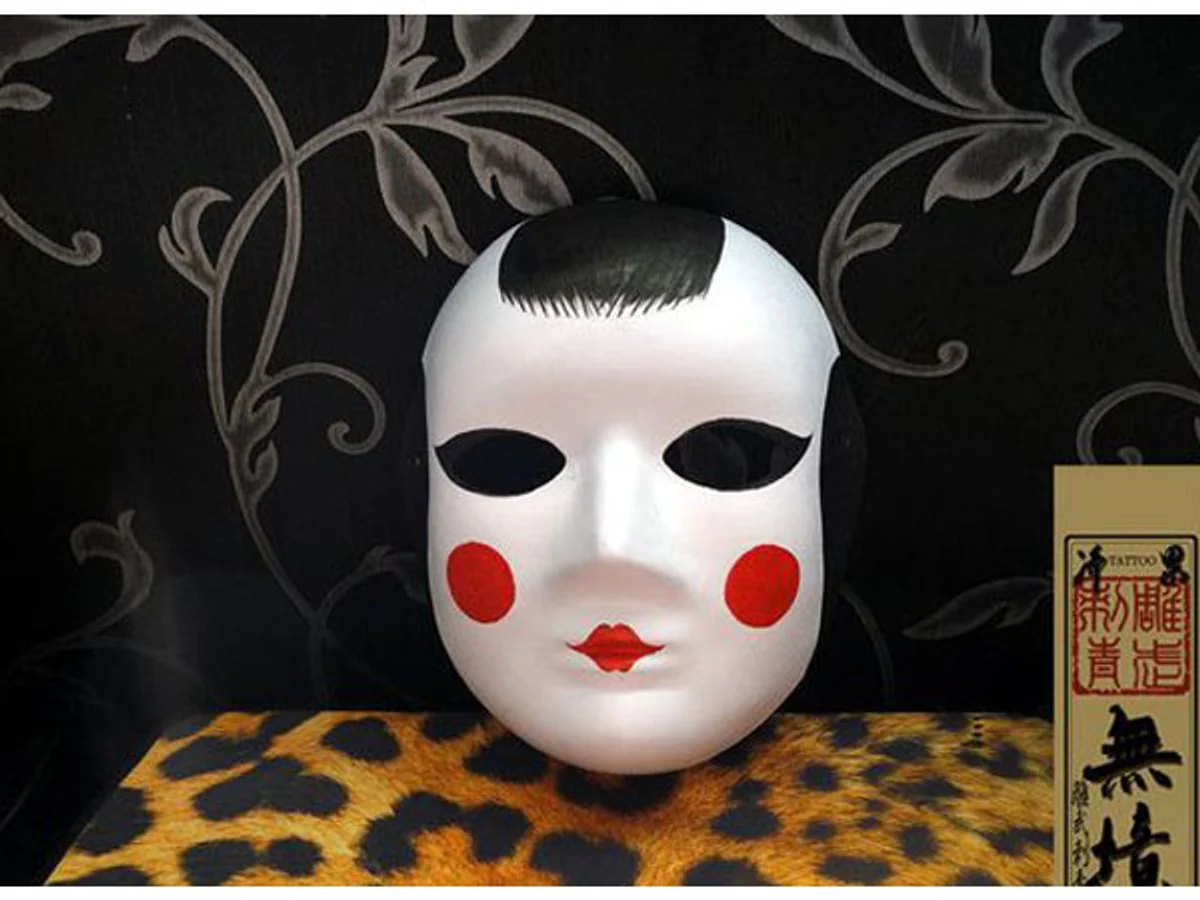
Face Is Relational and Situational
Face is negotiated between people. Titles, introductions, seating, public acknowledgment and who is present can change the meaning of an exchange. A correction made privately may preserve dignity, while the same words delivered before colleagues may feel humiliating. Family expectations add another layer; our guide to family values and household diversity explains why age and kinship matter without assuming that every elder has authority.
Idioms Commonly Used to Explain Face
Rén yào liǎn, shù yào pí (人要脸,树要皮) compares a person's need for dignity with a tree's need for bark. It is a proverb about social and moral standing, not a scientific claim about all behavior.
Jiā chǒu bù kě wài yáng (家丑不可外扬) advises against broadcasting family shame. It helps explain privacy around conflict, but it must never be used to silence disclosure of abuse, danger or a matter that needs professional help.
Face Is Not an East–West Binary
People everywhere manage reputation and embarrassment. Public praise, workplace status and social-media visibility can matter in many societies. Differences are better studied as communication norms in a particular group, not as “Chinese collective face” versus “Western individual ego.” The same person may be informal with friends and highly status-conscious in a ceremony.
A Traveler's Communication Checklist
Use the person's preferred name or title, state concerns about the situation rather than attacking character, and move sensitive corrections to a private channel. Ask who has authority to change a booking. If a refusal is unclear, offer concrete options and a deadline. These steps improve communication even when face is not the main issue.
Gift cost does not automatically “give face.” A thoughtful, proportionate item is safer than something expensive that creates obligation. For seasonal examples and cautions, see Chinese New Year gift etiquette.
Ways to Show Respect Without Flattery
Credit a person's contribution accurately in front of the relevant group.
Raise errors or disagreement privately first when safety does not require immediate public action.
Make compliments specific and sincere; exaggerated praise can sound manipulative.
Choose gifts that fit the relationship, occasion and recipient's preferences—not the highest price.
Situations That Can Cause Embarrassment
Mocking, challenging or assigning blame before an audience can make problem-solving harder.
Ignoring a host, elder or responsible organizer may signal disrespect, although titles never override safety or consent.
Repeatedly interrupting can deny another person the chance to explain; pause and confirm understanding.
Publicly exposing a knowledge gap or mistake can humiliate someone. Correct the information clearly, but use a private or neutral format when possible and document important decisions.
Editorial accountability
Hu Lei, CEO. The named owner is responsible for travel-planning accuracy and escalation of time-sensitive checks.
Yuntian Travel (Yunnan) Group is identified in its corporate profile as a licensed professional inbound travel service provider based in Kunming, China. Registration and travel-service documents can be requested before booking.
Page-specific references where cited, official destination, transport and entry notices, YUNSKY route-planning records, and direct provider confirmation before a booking is finalized.
Content is reviewed when rules, transport, access, pricing or route conditions change. Final availability and operating details are reconfirmed for each traveler’s dates.
Quality review: Page updated: