Your China & Yunnan Travel Experts


By the fifteenth and sixteenth centuries, Islam was deeply rooted across many Turkic-speaking oasis communities, including Kashgar, Yarkand, Khotan, Turpan and Hami. Mosque education, family practice, charitable endowments, law and literature shaped local life, but there was never one timeless “Xinjiang Islam.” Pastoral Kazakh and Kyrgyz histories differed from those of settled oasis communities, and Hui communities followed additional migration and trade networks. Language, music, food and ritual reflected interaction among local, Persianate, Turkic and Chinese cultural worlds.
How Islam developed across Xinjiang
1. Rulers, cities and institutions. Under the Karakhanids and later regional states, scholars, judges and religious teachers could receive court patronage, while mosques and tomb complexes became urban and rural landmarks. Political support did not make religious law uniform across every dynasty or settlement. Read the ancient Xinjiang Silk Road guide alongside archaeological site labels: many celebrated cities flourished before Islam and preserve evidence of several religions, languages and trading communities.
2. Sufi networks and khoja politics. From the seventeenth century, Naqshbandi-linked khoja families became influential in southern Xinjiang. Rival lineages formed alliances with local rulers and outside powers, and their political role changed as the Yarkand Khanate weakened and Qing authority expanded in the eighteenth century. Older copy reduced this history to two hostile sects and one military outcome. A better reading distinguishes devotional lineages, family authority and state competition, using dated sources instead of treating every Sufi community as a political faction.
3. Mazars and living heritage. Shrines associated with saints, teachers and local memory became important pilgrimage landscapes in parts of Xinjiang. Architecture, visitation and oral traditions vary, and present access may differ from historical descriptions. Travelers should not enter restricted areas, photograph worshippers or repeat unverified legends as fact. Plan the wider route with the Silk Road itinerary guide, then verify transport, permits, opening conditions and photography rules with current local sources. This page was reviewed for historical accuracy on the date above; contemporary regulations and site access remain time-sensitive.
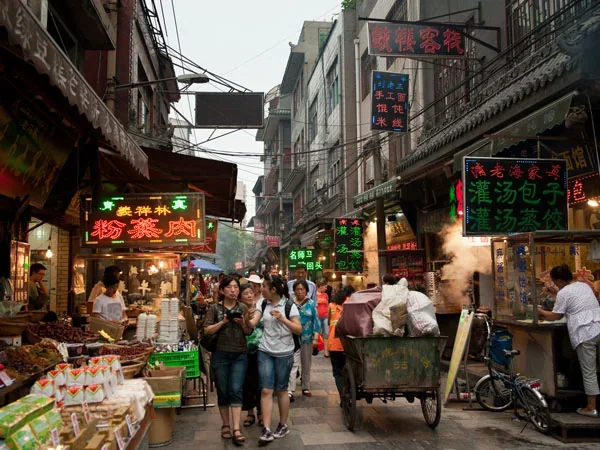
From $ 1226
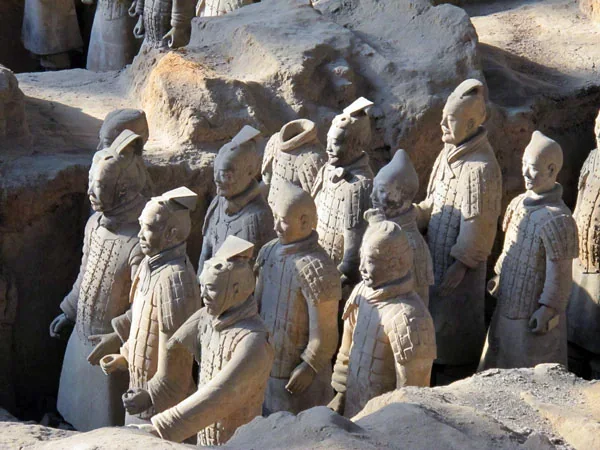
From $ 2183
Editorial accountability
Hu Lei, CEO. The named owner is responsible for travel-planning accuracy and escalation of time-sensitive checks.
Yuntian Travel (Yunnan) Group is identified in its corporate profile as a licensed professional inbound travel service provider based in Kunming, China. Registration and travel-service documents can be requested before booking.
Page-specific references where cited, official destination, transport and entry notices, YUNSKY route-planning records, and direct provider confirmation before a booking is finalized.
Content is reviewed when rules, transport, access, pricing or route conditions change. Final availability and operating details are reconfirmed for each traveler’s dates.
Quality review: Page updated:
