Your China & Yunnan Travel Experts


What January Weather Means for a China Itinerary
Regional Weather and Trip Decisions
Where January Travel Works Best
Packing, Transport and Health Checks
Festivals, Crowds and Date-Specific Planning
January is China's deepest winter month , but one national temperature figure is not useful for planning a journey from Harbin to Hainan. Use long-term climate averages as a starting point, not as a forecast. Northeast China can remain far below freezing while tropical Hainan is suitable for light layers. Northern cities are generally cold and dry; the lower Yangtze can feel raw because of wind and damp air; high plateaus combine intense sun with cold nights. Check the city forecast again 7–10 days before departure and each morning when changing regions.
Cold waves can cut temperatures quickly and bring snow, freezing rain or icy roads well beyond the far north. They can delay flights, slow trains and close exposed mountain paths. Keep one flexible half-day in the itinerary, avoid unprotected same-day connections after a long winter journey, and use our China climate guide to compare the country's broader seasonal patterns.
China spans tropical coasts, continental plains, deserts and the Tibetan Plateau. The five regions below describe travel conditions rather than promise a fixed temperature. Elevation, latitude and a passing cold front can matter more than the monthly average.
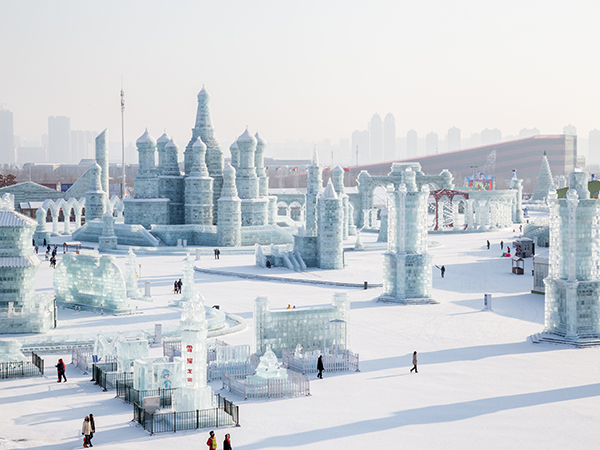
Beijing is usually dry, windy and cold, with short daylight and large differences between sunlit afternoons and nights. Harbin is substantially colder and is the better choice for deliberate snow-and-ice travel. Wear insulated footwear before adding extra sightseeing, protect batteries from the cold, and confirm outdoor-event hours because ice attractions can adjust operations with temperature and wind. The accompanying image shows Harbin's ice architecture, not typical conditions in every northern city.
The far south is the easiest January choice for travelers who dislike prolonged freezing weather. Hainan can offer warm afternoons, while Guangzhou and Haikou may still turn cool during a cold surge. Pack a breathable daytime layer plus a light insulated or windproof jacket. Beach water, rainfall and cloud cover vary, so choose Hainan for a mild-weather itinerary rather than a guaranteed tropical beach day. The Haikou temple image beside this section represents cultural sightseeing in the south.

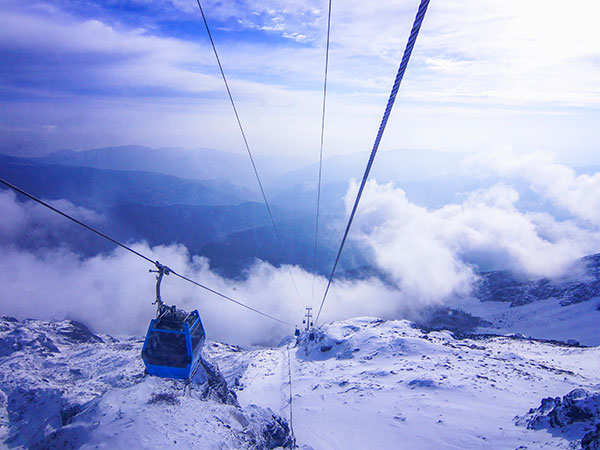
Western plateau destinations can have bright winter sunshine and very cold nights. Clear skies do not reduce altitude risk, ultraviolet exposure or wind chill. Build a conservative first day, hydrate normally, avoid rushing up stairs with luggage and seek local medical advice for concerning altitude symptoms. Road and attraction access can change after snow. Travelers to the Tibet Autonomous Region must also confirm current permit and tour requirements before booking transport.
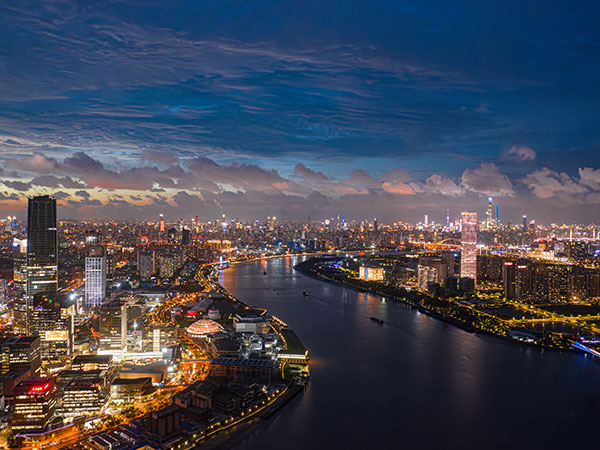
Eastern coastal cities are usually less cold than the northeast, but damp air and unheated outdoor waiting time can make the day feel colder than a temperature number suggests. A wind-resistant outer layer is often more useful than one very bulky coat, especially when moving between heated interiors and riverfront walks. The Shanghai image illustrates a January city break; it is not a live weather view. Leave waterfront viewpoints flexible when rain, fog or strong wind reduces visibility.
Central China sits between the dry north and the wetter south. A mild-looking forecast may alternate with cold rain, and freezing conditions can affect higher or northern locations. Museums, historic neighborhoods and indoor food experiences make sensible weather backups. Pack shoes with reliable grip and carry a compact rain shell rather than assuming the region is uniformly dry.
Harbin Ice and Snow World
Choose Harbin when the winter conditions are the purpose of the trip. Reserve timed attractions and accommodation before peak dates, shorten outdoor sessions in strong wind, and warm up indoors before hands and feet become numb. St Sophia Cathedral and central streets add indoor and architectural variety, but opening hours and festival operations should be checked on official channels.
China Snow Town
The resort near Hailin offers deep-snow scenery and heated guesthouses, but it requires a longer road transfer than a central-city attraction. Compare transport inclusions, room type and activity prices in writing. Snow on roofs is beautiful; walking surfaces can be polished ice, so traction and careful pacing matter.

Jilin rime viewing
Rime forms only when temperature, humidity and wind align. Treat a sunrise visit as a weather-dependent opportunity, not a guaranteed sight. Check the local forecast the evening before, take spare batteries and keep a warm indoor alternative.
Mohe winter experience
Mohe offers extreme cold, long winter nights and northern-border landscapes. It does not provide a reliable aurora guarantee, and “polar night” is inaccurate at this latitude. Visit for the winter environment, keep road transfers flexible and use a local operator familiar with cold-weather safety.
Hainan: Sanya and Haikou Sanya suits travelers prioritizing resort time and warmer afternoons; Haikou combines a milder climate with historic streets and cultural sites. Confirm sea conditions before water activities and retain a light layer for evenings or a cold surge.
Guangxi: Beihai Beihai works as a slower coastal stop, with Silver Beach and access to Weizhou Island. Ferries are weather-sensitive, so do not place the island return immediately before an important flight or train.
Fujian: Xiamen Xiamen is comfortable for walking when winds are light. Gulangyu, Nanputuo Temple and the botanical garden provide different indoor-outdoor combinations; ferry reservations and operating notices should be checked before travel.
Guangzhou for culture and family attractions: January supports city walks, museums and day trips, but some water-based attractions may be seasonal. The lion-dance image reflects Lingnan cultural travel rather than a daily performance guarantee.

Huangshan: Winter cloud seas and snow are possible, not assured. Confirm cableway maintenance, trail closures and wind conditions, and carry traction appropriate to posted site rules.
Xishuangbanna: Southern Yunnan offers warmer days and rainforest landscapes. Visit Dai communities respectfully, ask before photographing people, and avoid presenting a village as a staged attraction.
Jiuzhaigou: Frozen water and snow can change the look of the valleys, while boardwalk access and shuttle routes depend on current conditions. Use the official scenic-area notice for the open route.
Yuanyang rice terraces: Water-filled terraces can reflect winter light, but mist, irrigation timing and sunrise color vary. Base photography plans on several viewpoints and respect working fields and local access restrictions.
For Beijing, Harbin, Mohe and Jilin: start with a moisture-wicking base layer, add insulation, then use a windproof outer layer. Choose water-resistant boots with grip, warm socks, gloves that still operate a phone, a hat and face protection. Avoid cotton next to the skin during long outdoor sessions, keep medication and batteries in an inner pocket, and stop to warm up before numbness or confusion develops.
For Hainan, Guangzhou, Beihai and Xiamen: pack light layers for daytime plus a compact warm layer for evening and cold fronts. Include comfortable walking shoes, sun protection and a small rain shell. A swimming plan should follow the local beach flag and sea forecast, not the monthly air-temperature average.
For mountains and plateaus : use a layering system that handles both sun and wind. Compare with the December weather guide if your trip begins before New Year, because a route crossing months still needs destination-level forecasts. Carry warm head and hand protection, sunglasses, sunscreen and lip balm . Confirm altitude, road access and insurance coverage before adding remote winter excursions. Climate averages do not replace a forecast, an official closure notice or individual medical advice.
Harbin winter events
usually operate through the coldest part of winter, but exact opening dates, ticketing and individual venue hours depend on construction and weather. Use official attraction notices, reserve popular evenings and allow extra transfer time after snow.
Spring Festival
moves between late January and February. In 2026 the official holiday ran from 15–23 February, so January was outside the holiday itself but advance travel demand could still affect late-month bookings. Holiday dates change every year; verify the State Council calendar before buying inflexible tickets. For the late-winter continuation, see the February weather guide. This page was reviewed on 26 August 2026 using WMO climate-normal guidance, China Meteorological Administration material and the official 2026 holiday notice. It describes planning ranges, not a day-specific forecast.
Editorial accountability
Hu Lei, CEO. The named owner is responsible for travel-planning accuracy and escalation of time-sensitive checks.
Yuntian Travel (Yunnan) Group is identified in its corporate profile as a licensed professional inbound travel service provider based in Kunming, China. Registration and travel-service documents can be requested before booking.
Page-specific references where cited, official destination, transport and entry notices, YUNSKY route-planning records, and direct provider confirmation before a booking is finalized.
Content is reviewed when rules, transport, access, pricing or route conditions change. Final availability and operating details are reconfirmed for each traveler’s dates.
Quality review: Page updated: