Your China & Yunnan Travel Experts


Reviewed: August 26, 2026
October is a transition month rather than one uniform season. Northern cities cool quickly, the Yangtze corridor is often mild, South China can remain warm, and western plateaus may already have freezing nights. Travelers arriving from the previous month should compare the September weather guide, then replace broad climate expectations with the current forecast for every stop. The practical advantage is the chance to combine city walking, heritage sites and autumn landscapes without peak-summer heat on many routes. The trade-off is a large day–night range, possible cold-air outbreaks, lingering tropical-cyclone effects in the south and heavy domestic demand during the National Day travel period rather than reliably clear skies or a fixed foliage schedule. For 2026, National Day runs October 1–7. That date range is year-specific, and future travelers should verify the current State Council notice before booking.
Evidence note:
WMO climate normals summarize long-term conditions; they are not a forecast for a specific journey. CMA reporting also shows that cold waves and autumn typhoons can materially change an October route. During the 2026 holiday, reserve key transport and timed-entry sights early, allow crowd buffers, and avoid building a same-day connection around a single scenic area.
Beijing, Hebei, Shanxi, Shaanxi and the Northeast usually move from mild afternoons toward cold evenings during October. A cold front can lower temperatures quickly and bring strong wind or rain; Harbin and higher northern areas can approach or pass freezing at night late in the month.
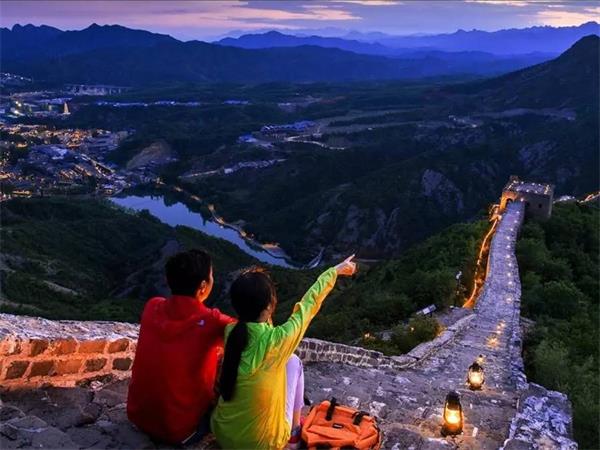
Good-fit route ideas: Beijing heritage sites paired with one flexible Great Wall day; Xi'an museums and the city wall with an indoor backup.
Beijing: Start exposed walks after checking wind and air-temperature alerts. Reserve timed-entry heritage sites through their current official channels and keep a museum alternative for a cold-front day. Fragrant Hills and the Great Wall: Leaf color varies with weather and elevation, so treat any peak-date claim as an estimate. The adjacent Great Wall photograph identifies the landscape, not the conditions that will occur on your date.
Xi'an: October often supports long heritage days, but shade, wind and sunset cooling are easy to underestimate. Reserve the Terracotta Army through the current official channel, avoid cycling the wall in unsafe wind or rain, and keep a warm layer for evening food streets.

This broad region includes Shanghai, Jiangsu, Zhejiang, Anhui, Hubei and neighboring provinces . Conditions can feel comfortably autumnal, yet humid spells, frontal rain and typhoon-related disruption are still possible. Huangshan is substantially cooler and more changeable than nearby lowland cities.

Good-fit route ideas: Shanghai museums and waterfront walks, Hangzhou and Suzhou gardens, or Nanjing heritage with a movable mountain day.
Shanghai: Use cooler mornings for the Bund or neighborhood walks and keep a museum option for rain or holiday congestion. Theme-park demand changes by date and promotion; consult the operator calendar rather than assuming post-holiday queues will be short.
Hangzhou: West Lake works well as a half-day or full-day circuit, but boat operations depend on wind and local notices. Longjing is a working tea landscape: October is not the main spring harvest, so visit through an authorized venue and do not enter fields or imply visitors can freely pick leaves.
Nanjing: Qixia Mountain, the Ming Xiaoling approaches and city ginkgo avenues color at different times. Keep the itinerary valuable without leaves by prioritizing architecture, museums and mapped heritage walks. Wet stone and fallen leaves can be slippery after rain.
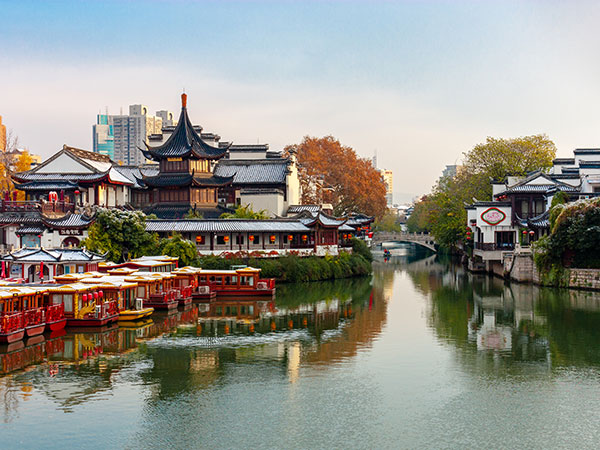
8 Days Yangtze River Delta Heritage Journey
Nanjing, Suzhou, Hangzhou, Wuzhen and Shanghai
Southern routes include Guangdong, Fujian, Guangxi and Hainan. Many lowland days remain warm, but “dry season” does not mean storm-free. Autumn tropical cyclones, coastal wind and short heavy rain can affect flights, ferries, beaches and mountain paths.

Good-fit route ideas: Xiamen architecture and island walks, Guangzhou food and museums, Shenzhen urban nature, or Guilin with weather flexibility.
Xiamen: Gulangyu is best planned around the current ferry timetable and ticket rules. Use marked coastal routes, obey swimming and wind restrictions, and reserve indoor architecture or museum time when sea conditions are poor.
Guangzhou: Warm weather suits neighborhood food exploration, but choose established restaurants and markets rather than treating street food as risk-free. Baiyun Mountain and large parks require the same heat, lightning and closure checks as other outdoor sites.
Shenzhen: Pair contemporary architecture with a permitted coastal or hill walk. Wutong Mountain should be attempted only on open trails and within the published operating window; postpone for lightning, strong wind, heavy rain or an official closure.
Guilin and Yangshuo: Karst scenery remains the focus, but river levels, visibility and cycling surfaces change after rain. Confirm cruises with the licensed operator, wear a helmet for cycling and allow a spare day instead of guaranteeing one perfect river morning.
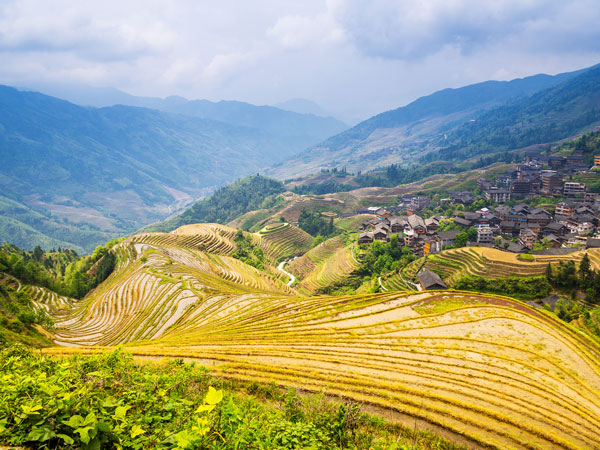
Western China contains the Tibetan Plateau, Xinjiang basins and mountains, Qinghai and Gansu. Distances, elevation and exposure matter more than a regional average. October may be a shoulder season in cities but an early-winter month on high passes; snow or ice can alter roads and cableways without implying every route closes.
Good-fit route ideas: Lhasa with conservative acclimatization, a short Silk Road corridor, or Xinjiang only with realistic transfer distances and current access.
Lhasa and central Tibet: Bright afternoons do not remove altitude or cold-night risk. International visitors should verify current permit and organized-tour requirements before transport purchase, keep the first day light and seek medical help for worsening altitude symptoms.
Xinjiang: Urumqi, Turpan, Kashgar and northern mountain areas have different October patterns. Fruit harvest, road access and leaf color cannot be promised. Avoid undeveloped tracks, carry offline addresses and let local official notices determine whether a mountain transfer proceeds.
Qinghai Lake: Cold wind and lower seasonal services can make a long circuit more demanding than it appears. Use established viewpoints, protect wildlife and grazing land, avoid night driving, and confirm accommodation heating and transport before leaving Xining.
Yunnan, Sichuan and Chongqing span warm basins, high valleys and alpine parks. October can offer useful shoulder-season conditions, but mountain rain, fog, early snow and large altitude changes still shape the route.
Good-fit route ideas: Chengdu plus an operating alpine park, Dali and Lijiang at a measured pace, or Chongqing with indoor and outdoor options.
Jiuzhaigou Valley: Lake and forest color depends on light, temperature and the season's progression. Book through the current official channel, remain on open boardwalks and allow for cold mornings, wet surfaces, crowd controls or temporary operational changes.
Dali and Lijiang: Use separate forecasts for the towns and any mountain excursion. Respect Naxi, Bai and other communities as living cultures, ask before photographing people, and do not enter homes, courtyards or working fields without invitation.
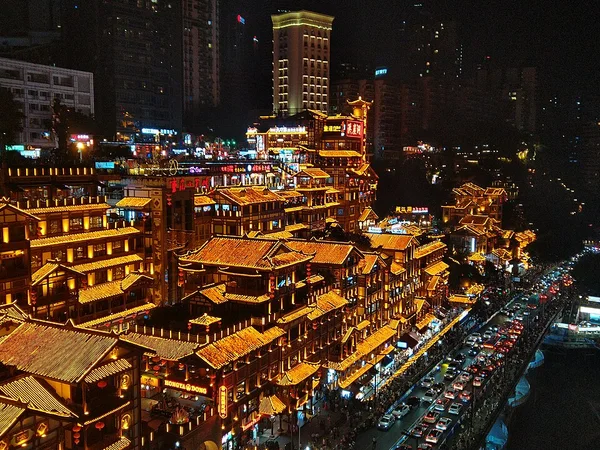
Chongqing: The replacement image accurately shows Hongya Cave within Chongqing's illuminated urban landscape. October can still be warm in the basin; pace steep streets, use official transport information and treat river cruises or cableways as weather- and operator-dependent. Continue with the November weather guide if your journey extends into the next cooling phase.
Editorial accountability
Hu Lei, CEO. The named owner is responsible for travel-planning accuracy and escalation of time-sensitive checks.
Yuntian Travel (Yunnan) Group is identified in its corporate profile as a licensed professional inbound travel service provider based in Kunming, China. Registration and travel-service documents can be requested before booking.
Page-specific references where cited, official destination, transport and entry notices, YUNSKY route-planning records, and direct provider confirmation before a booking is finalized.
Content is reviewed when rules, transport, access, pricing or route conditions change. Final availability and operating details are reconfirmed for each traveler’s dates.
Quality review: Page updated: