Your China & Yunnan Travel Experts



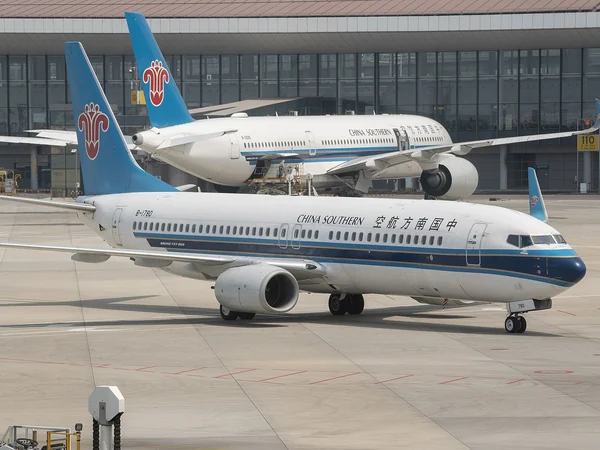
Domestic aviation connects China's major cities and many regional centers, making it useful when an itinerary spans long distances. The Civil Aviation Administration of China regulates civil aviation, while airlines and airports publish their own current schedules, check-in times and baggage rules. Travelers should compare the total door-to-door journey, not flight time alone: large-city airports can be far from the center, and weather or air-traffic restrictions may affect operations.
When flying is the right choice
Air travel is most useful when the route crosses several provinces, reaches a western or plateau region, or would otherwise consume most of a day by rail. Compare door-to-door time rather than flight duration alone. A short flight can still require a distant airport transfer, an early check-in, security screening and time to collect baggage. Rail may be easier between city centers on established high-speed corridors, while a flight can protect sightseeing time on a long Beijing–Yunnan, Shanghai–Xinjiang or coastal–Tibet connection.
Check the airport name, three-letter code and terminal for every sector. Large cities may use more than one airport, and a connection shown under one airline brand may be operated by a partner. Read the issued itinerary for the operating carrier, baggage conditions and transfer airport. Passenger names must match the travel document used for booking. Travelers who have changed passports, use a middle name or have a long name should resolve any mismatch before departure.
Build a disruption buffer
Weather, air-traffic management and late inbound aircraft can affect a domestic sector. Do not place a separate international ticket, cruise departure, fixed train or permit-controlled tour immediately after a connection without a realistic buffer. Keep the hotel address and onward booking offline, and know whether the fare permits a change. When two sectors are on separate tickets, baggage may need to be collected and checked again.
Passengers who need wheelchair assistance, help with stairs, medical-device handling, oxygen approval or seating support should contact the operating airline in advance and confirm the arrangement again near departure. Carry essential medicine and critical documents in cabin baggage within the applicable security rules. Power banks and spare lithium batteries require particular attention: capacity markings, condition and airline restrictions should be checked before packing rather than at the security queue.
Baggage and Security Checks
Baggage limits are not universal. They vary by airline, route, fare family, cabin and aircraft, so the allowance shown on the issued ticket or airline booking is the one to follow.
Before departure, confirm checked-baggage weight, number of pieces, cabin-bag dimensions and any fees directly with the operating airline. Codeshare partners may apply different conditions.
Premium-cabin fares often include a larger allowance, but the exact benefit depends on the ticket rather than a single nationwide weight rule.
Economy fares can include checked baggage, cabin baggage only or a paid allowance. Read the fare conditions before finalizing the booking.
Oversized sports equipment, mobility aids and fragile items may require advance notice or special handling.
Infant and child allowances depend on the ticket type and airline. Families should also confirm stroller and child-seat procedures.
Liquids, gels and aerosols are screened at security. Pack them according to the latest airport and airline instructions, especially on international sectors.
Spare lithium batteries and power banks normally belong in cabin baggage and are subject to capacity and labeling rules; damaged or recalled batteries should not be carried.
Security rules can change. Check the departure airport and operating airline shortly before travel rather than relying on an old universal limit.
Booking trains with the correct identity
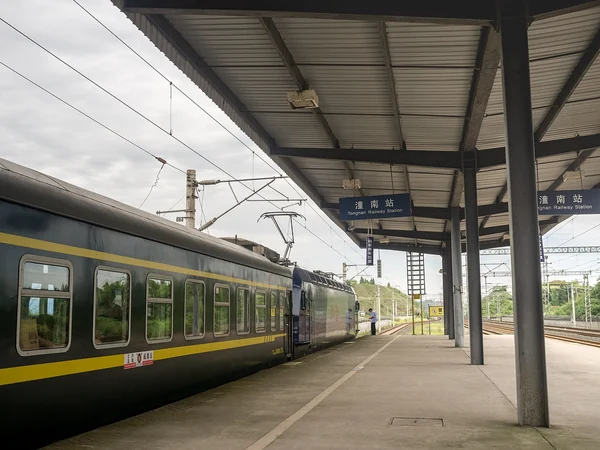
Train tickets are tied to the passenger identity used at purchase. Enter the name and passport number exactly as required by the booking channel, keep the same passport for the journey and review the result before payment. A station name can include North, South, East or West, and those terminals may be far apart. Confirm both the departure and arrival station in Chinese, not only the city name. On a transfer between separately booked trains, allow for walking, security, ticket gates and a possible change of station.
Availability is controlled by the chosen train, date and class. Public holidays, school breaks and popular weekends can sell out quickly, while the same route may have seats on an earlier or later service. Use an authorized booking source, verify the cancellation and change conditions, and do not assume a screenshot from a search page is a confirmed ticket. If an itinerary depends on a specific departure, book the surrounding hotel and attraction times only after the rail plan is secure.
Choose a seat or sleeper by the journey
Second class on high-speed rail suits most daytime trips; first or business class offers more space on selected services but does not shorten the journey. Conventional hard and soft sleepers can save a hotel night and preserve daytime, yet the open-bay or compartment layout, berth height and toilet style may matter more than the fare. A lower berth is easier for many travelers with limited mobility, while an upper berth requires climbing. Confirm the actual train type because class names and carriage layouts are not identical across all services.
Keep luggage light enough to lift and supervise. Storage space is shared, oversized cases can be awkward and valuables should stay with the traveler. Bring water, necessary food and medicine even when onboard sales are expected. Travelers with dietary restrictions should not rely on a specific meal. Station and carriage accessibility varies: request assistance early, check lift access at both terminals and avoid a tight transfer if walking speed, vision, hearing or fatigue could affect the connection.
G and D trains: modern high-speed services. G trains usually make fewer stops and operate at higher scheduled speeds, while D trains serve a wider range of routes and speeds.
C, Z and T trains: C identifies many intercity services; Z and T identify faster conventional overnight or long-distance trains.
K trains: conventional express services that often stop at more stations and take longer than high-speed trains.
Other numbered services: slower conventional trains can still be important on regional routes. Facilities vary, so check the exact train and carriage before booking.
Hard seat: the lowest-cost seated option on many conventional trains. It is suitable for shorter journeys if comfort and personal space are not priorities.
Soft seat and high-speed seating: class names vary by service. High-speed trains generally offer second class, first class and, on selected trains, business class.
Hard sleeper: open bays normally contain six berths arranged as upper, middle and lower bunks. Lower berths are easier to reach but usually cost more.
Soft sleeper: many conventional trains use enclosed four-berth compartments. Newer or selected services may offer different sleeper layouts, so review the carriage plan.
High-speed rail has reshaped travel between Chinese cities by moving passengers from suburban airports to centrally located railway stations on many corridors. In 2025, 2,862 kilometers of new high-speed railway entered service. The network is extensive, but a fast train is not automatically the best choice for every route: departure time, station location, seat availability and onward transfers still matter.
Plan high-speed rail as a corridor, not a checklist
The most efficient rail itineraries follow connected city pairs: Beijing–Xi'an, Beijing–Shanghai, Shanghai–Hangzhou, Guangzhou–Shenzhen, Chengdu–Chongqing and other established corridors. A fast train does not make every combination efficient. Detouring across the network for one attraction can add station transfers and leave too little time at the destination. Start with the geographic line of the trip, compare total travel time, then choose the service that protects useful hours rather than simply selecting the highest train number or fastest advertised speed.
High-speed stations often have large departure halls and controlled gates. Arrive early enough for document checks, security and finding the correct gate, but use the current booking instructions rather than applying an airport rule to every station. The platform may be announced shortly before boarding. Keep the train number, car and seat available offline, listen for changes and follow station displays. Families should agree on a meeting point before entering a crowded terminal and keep children close around escalators and platform edges.
Combine rail, air and overnight travel deliberately
Rail is strong where a daytime journey links central districts. Flights are often better for a very long cross-country jump. A conventional sleeper can work when it replaces both travel time and accommodation, provided the passenger accepts the carriage layout. A balanced multi-region trip may use all three. Compare the cost of the ticket with airport transfers, an extra hotel night, baggage fees and the sightseeing hours lost.
Do not build the route around a future line, an announced project or an international service until current passenger operations and border procedures are confirmed. Timetables, train models and onboard facilities can change. Recheck the operating service near travel, especially during seasonal schedule changes or major holidays.
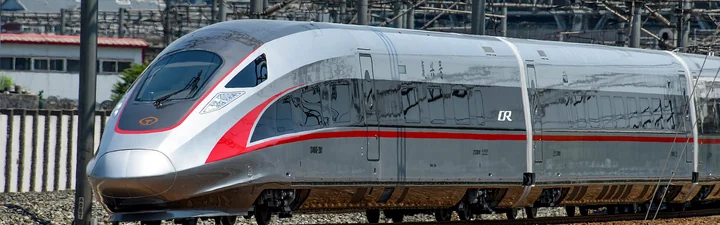
Most services use Hexie or Fuxing trainsets, including CR400-series trains designed for the busiest corridors. A traveler-focused example is the six-day Beijing-Shanghai high-speed train experience, which combines city touring with a rail journey rather than treating the train as a standalone attraction.
The National High-Speed Rail Grid
China's long-term railway plan is commonly described as an eight-vertical and eight-horizontal high-speed grid. It links major economic regions and provincial centers, while branches and intercity lines extend coverage beyond the trunk corridors. Openings and timetables change, so route planning should use the current railway schedule rather than a static network map.
Important corridors include the Beijing-Tianjin intercity railway, the Beijing-Guangzhou route and the Shanghai-centered network described in the Shanghai transportation guide. The Shanghai Maglev is a separate airport link and should not be confused with the national steel-wheel HSR network.
Useful city-pair guides include Beijing-Xi'an, Beijing-Shanghai, Beijing-Guangzhou, Shanghai-Hangzhou, Xi'an-Guilin, Xi'an-Chengdu, Guangzhou-Shanghai, Guangzhou-Lhasa, Guangzhou-Guilin, Lanzhou-Dunhuang and Chengdu-Chongqing. Confirm the operating train, station names and journey date before purchase.
Comparing High-Speed Rail by Trip Needs
Cost and Value
Rail infrastructure costs differ by terrain, land, station design, engineering standards and project scope, so international cost-per-kilometer comparisons can be misleading. For a traveler, the useful comparison is the current ticket plus transfers, time and comfort.
High-speed rail can provide strong value on medium-distance routes because stations are often closer to city centers and check-in is simpler than at airports. Flights may remain more practical across very long distances or where rail requires several changes.
Ticket Fares
Fares depend on the route, train, seat class and ticket policy. Some services use flexible pricing, so prices are not always identical across departures. Tickets can sell out around public holidays; book through an authorized channel and make sure the passenger name and document number are correct.
Comfort, Onboard Service and Stations
High-speed carriages are generally air-conditioned and provide toilets, luggage areas, power facilities on many trains and food or drink for purchase. Offerings vary by train. Bring essential snacks, keep valuables with you and allow time to find the correct waiting hall and platform.
Rail is often the first choice for connected city pairs, while flying can save time on cross-country routes. A balanced itinerary may use both: train for a regional corridor and air for a long jump between distant parts of China.
Chinese High-Speed Rail Experience Abroad
Chinese rail companies and technology have participated in projects outside China, but international routes, operators and opening dates change independently. Travelers should verify border formalities and live schedules for any cross-border journey instead of assuming domestic booking procedures apply.

China has national and provincial highways as well as a broad expressway system. Expressways are controlled-access roads and usually charge tolls; ordinary highways serve more local traffic and may pass directly through towns. Travel time can vary considerably with weather, road works and congestion.
Road travel, coaches and private transfers
Road transport is valuable for counties, villages, scenic areas and trailheads without a practical rail connection. Use an established coach station, licensed operator or properly arranged vehicle. Confirm the exact arrival point because a city can have several long-distance bus terminals, some far from the accommodation. For a private transfer, agree in writing on the vehicle size, licensed driver, pickup location, waiting time, luggage capacity, child-seat request, tolls and parking. Mountain roads, construction, fog, snow, rain and holiday congestion can turn a short map distance into a long drive.
International driving documents and home-country licences should not be assumed to authorize independent driving in mainland China. Travelers considering self-drive must verify current legal requirements and insurance before booking a vehicle. Most visitors will find a licensed local driver simpler for rural or multi-stop routes. Seat belts should be used where fitted, and the itinerary should include rest stops rather than demanding an unsafe continuous drive.
Water journeys are transport only on selected routes
A Yangtze cruise, Li River trip, city ferry or lake boat may be part of the experience, but each follows a different ticket, boarding and safety system. Confirm the pier, sailing direction, cabin or seat, luggage handling, return option and final transfer. Water level, wind, fog, storms and navigation controls can change the schedule. Use regulated passenger services, wear a life jacket when instructed and do not substitute an informal boat for an authorized crossing.
Complete the last urban kilometer
Metro, taxi, bus and walking often determine whether an intercity plan works. Save the hotel and attraction names in Chinese, check the nearest usable station exit and allow for security at metro entrances. Licensed taxis and established ride services should use the destination agreed in advance; keep a receipt or trip record. Shared bicycles are useful only when the rider can legally register, understands local parking boundaries and is comfortable in traffic. Travelers with mobility needs should verify lifts, step-free exits, vehicle access and attraction entrances individually—an accessible train does not guarantee an accessible final route.
Use a transport decision sheet
For every travel day, record the departure point, exact terminal, reporting time, document required, baggage limit, arrival point and final transfer. Mark which segments are on one booking and which are separate. This simple sheet exposes fragile connections before payment. It also helps another traveler or guide assist if a phone fails or a schedule changes.
Compare options against the same criteria: total door-to-door time, number of transfers, walking distance, baggage handling, cancellation terms, accessibility, child needs and the value of the hours saved. The cheapest ticket may create an expensive airport transfer; the fastest train may arrive at a less convenient station; an overnight sleeper may be efficient but unsuitable for someone who cannot climb or rest in a shared carriage.
Reconfirm every long-distance segment near departure. Save tickets and addresses offline, keep a backup payment method, and leave margin before an international flight or other non-recoverable booking. Transport planning is strongest when it remains flexible enough to absorb a delay without losing the purpose of the trip.
Passenger cars may receive toll exemptions during selected national-holiday periods, but the policy, dates and vehicle eligibility must be checked for the current year. Those same periods can bring heavy traffic, so a nominal saving does not always mean a faster journey.

China has a long Pacific coastline, major commercial ports and extensive inland waterways. Most seaports focus on cargo, while visitor journeys are concentrated on selected rivers, lakes, reservoirs and coastal routes. Cruise seasons and sailing conditions can change with water level and weather.
Verify the arrival after every long-distance segment
Before leaving a controlled station, airport or pier, confirm the next pickup point and the route to it. Large terminals may separate taxis, ride-service zones, hotel shuttles and private vehicles across different exits or floors. Do not follow an unsolicited driver away from the official area. If a booked transfer cannot be found, contact the confirmed operator using saved details and wait in a staffed, well-lit place.
Keep the first accommodation address available even when a guide is expected. A delayed flight or changed rail gate can separate the traveler from the original meeting plan. Clear written pickup instructions, a working contact method and an agreed fallback location make the final transfer part of the itinerary rather than an afterthought.
Better-known inland journeys include:
The Yangtze River: cruise itineraries commonly focus on the Three Gorges between Chongqing and Yichang rather than operating as ordinary point-to-point transport along the full river.
The Grand Canal: passenger sightseeing is available on selected urban sections, including parts of Hangzhou and Suzhou, while the historic canal itself extends far beyond a single cruise route.
The Li River: the Guilin-Yangshuo cruise is a well-known scenic journey through karst landscapes. Water levels and seasonal operating arrangements affect the exact boarding and landing points.
The Xijiang and other regional waterways: local cruises and ferries exist in parts of southern China, but schedules should be confirmed locally because not every historic passenger route operates year-round.
Taxi: licensed taxis are widely available, with fares set locally. Keep the destination in Chinese, use the meter where required and obtain a receipt. In historic cities such as Xi'an, compare taxi travel time with the metro during busy periods.
Metro: large cities including Beijing, Shanghai, Guangzhou, Chengdu and Shenzhen have extensive systems. Security screening is common. Keep bags manageable, follow station signs and allow extra time at interchange stations.
Bus. City buses reach neighborhoods beyond many metro networks. Routes, payment methods and boarding procedures vary locally; use a current map, watch for the correct stop and keep priority seats available for passengers who need them.
Scenic transport can be part of the experience: river cruises, mountain cableways, heritage railways and, in a limited number of destinations, regulated helicopter or light-aircraft sightseeing. Availability is weather-dependent and safety rules vary, so book only through an authorized operator and keep a ground-based alternative.
Editorial accountability
Hu Lei, CEO. The named owner is responsible for travel-planning accuracy and escalation of time-sensitive checks.
Yuntian Travel (Yunnan) Group is identified in its corporate profile as a licensed professional inbound travel service provider based in Kunming, China. Registration and travel-service documents can be requested before booking.
Page-specific references where cited, official destination, transport and entry notices, YUNSKY route-planning records, and direct provider confirmation before a booking is finalized.
Content is reviewed when rules, transport, access, pricing or route conditions change. Final availability and operating details are reconfirmed for each traveler’s dates.
Quality review: Page updated: