When Is Qixi Festival?
Qixi falls on the seventh day of the seventh month in the traditional Chinese calendar, so its Gregorian date changes annually. It is often called Chinese Valentine's Day in English, but that modern label does not capture the festival's full history. Confirm the date for your travel year and do not assume it creates a nationwide public holiday.
Origins and Cultural Meaning
Qixi developed around the “begging for skills” tradition known as qǐqiǎo, in which young women demonstrated or prayed for ability in weaving and needlework. The celestial story later gave the date a powerful theme of love and separation. Its etiquette belongs within the broader context of Chinese belief and ritual traditions.
The Cowherd and Weaver Girl Legend
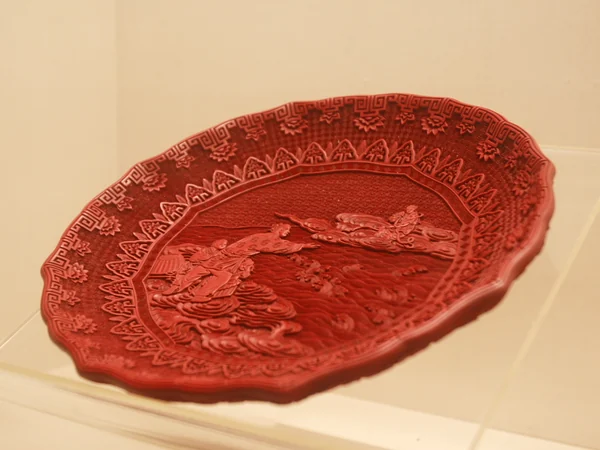
Niulang and Zhinü are represented in the sky by Altair and Vega, bright stars separated by the Milky Way.
In the best-known folktale, a mortal cowherd and a heavenly weaver marry but are separated by celestial authority. Their children are sometimes represented by the two fainter stars beside Altair.
Magpies take pity on the family and form a bridge across the Milky Way so the couple may meet on the seventh night of the seventh lunar month.
Regional tellings differ in characters and detail. Present the story as folklore rather than a historical account, and use an astronomy program only to identify the stars—not to “prove” the legend.
Qixi has inspired poetry, opera, embroidery, painting and local customs. Museums and announced cultural workshops offer better visitor context than treating a private celebration as a performance.
Traditional Qixi Practices
Needlework and ingenuity are central to older Qixi customs. Activities could include threading a needle by moonlight, displaying handmade work or preparing symbolic offerings.
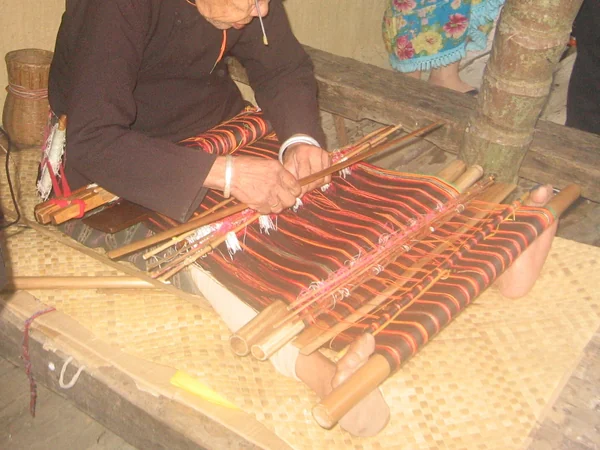
Some customs involved observing Vega and Altair, praying for dexterity or sharing seasonal foods. They varied by period and region and are not practiced by every household today.
Traditional weaving and needlework associated with Qixi skills
Folklore says magpies form the lovers' bridge; natural magpie behavior should not be interpreted as a yearly supernatural event.
Modern Qixi and Traveler Etiquette
Today, restaurants, shops and attractions may market Qixi with flowers, gifts and evening events. Couples may celebrate privately, but public programming is not guaranteed.
If you are invited to a celebration, keep gifts proportionate to the relationship. The Chinese gift-giving guide explains presentation and context.
Qixi is not traditionally a wedding requirement. Couples planning a ceremony should use the
Chinese wedding customs guide rather than mixing a folktale with modern legal or family arrangements.
Korea, Japan and Vietnam have related seventh-night traditions, but names, dates and activities differ.
Other Asian communities may interpret the star story through their own histories; avoid presenting all of them as copies of one modern festival.
For travel, check municipal culture calendars, museum programs and venue rules close to the date. A thoughtfully chosen public event gives more context than a generic “romantic” photo stop.