Your China & Yunnan Travel Experts



Double Third (Sanyuesan)
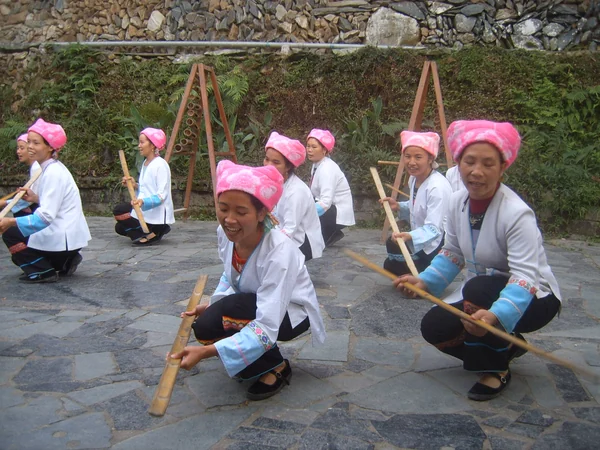
Sanyuesan names celebrations held around the third day of the third lunar month, especially in Guangxi, but programmes and meanings differ among Zhuang and neighbouring communities. Public events may include antiphonal singing, dancing, markets, sports and foods such as five-colour glutinous rice. A stage programme is only one contemporary expression of a living tradition; village observance, family practice and municipal tourism events are not interchangeable. Check the current organizer's notice because the Gregorian date, venue and access arrangements change annually. For wider demographic context without reducing a community to a costume or festival, see the guide to China's population and ethnic groups.
Shoton Festival in Lhasa
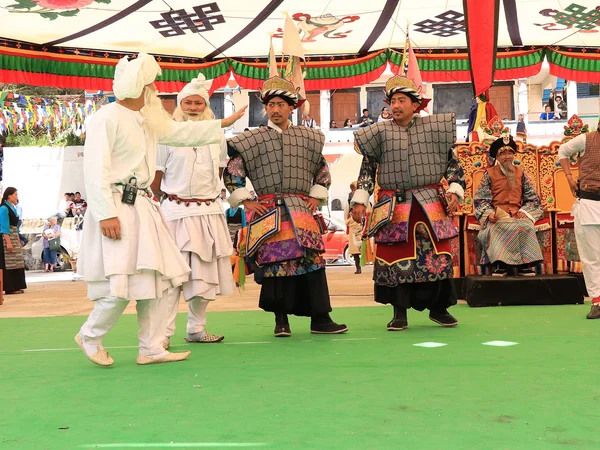
Shoton, often translated as the “yogurt festival,” is associated with Lhasa and Tibetan Buddhist, social and performing traditions. Contemporary programmes can include Tibetan opera, gatherings at Norbulingka and religious observances, but schedules, ticket controls and photography rules vary. Visitors should distinguish a public cultural performance from worship and should follow instructions at monasteries and image-unfurling sites. The photograph on this page records performers at a particular programme; it does not represent one standard outfit for all Tibetans. Confirm dates locally rather than relying on an old fixed-August claim, because Tibetan calendar timing and civic programming can be announced separately.
Dai Water-Splashing New Year
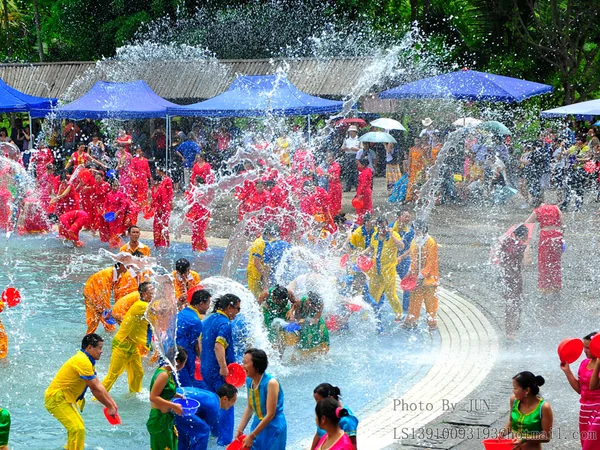
In Xishuangbanna and other Dai communities, New Year observances usually fall in mid-April and may combine respectful water blessings with temple visits, cleaning, music, dancing, markets and, in some places, dragon-boat activity. Large public splash zones can feel exuberant, yet quieter religious and family settings call for restraint. Clothing seen in a parade may be ceremonial, locally specific or made for performance; the ethnic clothing guide explains why dress should be identified by place, community and occasion.
Local origin stories are part of the festival's cultural life, but versions differ and should be attributed as oral tradition rather than presented as a single verified historical event. The safest interpretation is to describe what a named community or museum records, then separate that account from the documented modern programme.
If joining a splash event, protect documents and electronics, wear secure footwear, and never throw dirty, hot or forcefully propelled water. Ask before photographing people at close range. Do not splash monks, elders, infants, vendors, cameras or anyone outside the designated activity unless they clearly consent.
Torch Festival
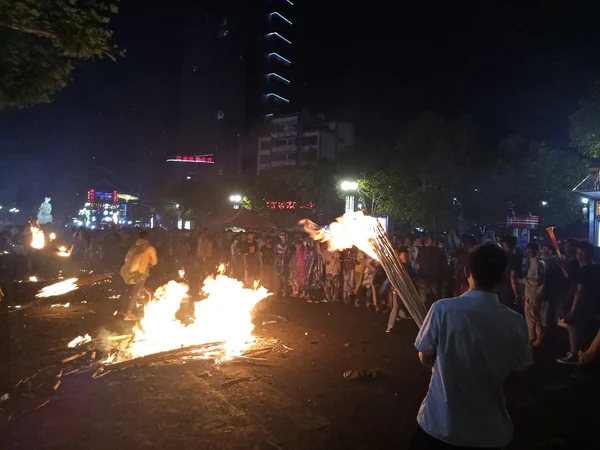
Torch Festival celebrations are associated particularly with Yi communities in parts of Yunnan, Sichuan and Guizhou, while neighbouring groups may hold related but distinct events. Dates often fall around the sixth lunar month, and local programmes can feature torch processions, fire gatherings, wrestling, horse events, music or dance. Fire safety, crowd controls and weather can change access at short notice. The image here was made at a festival in Shilin, Yunnan; it documents that location and moment rather than every Yi celebration.
Legends, Agriculture & Evidence
Stories linking torches with heroes, pests, harvests or protection circulate in several versions. They are meaningful narratives, not one universal origin that can be proved for all communities. UNESCO reviewed a Torch Festival nomination in 2014, but that decision record should not be misquoted as proof that every local event has UNESCO inscription. Use the latest UNESCO list and the named organizer's information when a heritage status matters.
Lusheng Gatherings
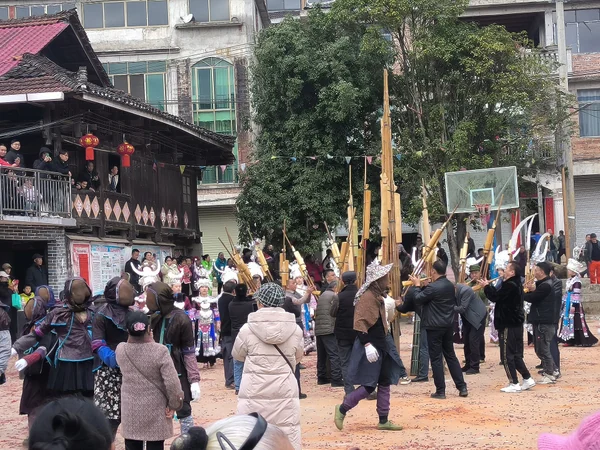
A lusheng is a free-reed mouth organ used in music and dance among several communities in southwest China. Miao gatherings commonly described as Lusheng festivals can occur on different dates and may include processions, courtship songs, competitions and collective dance. The photograph shows a Miao cultural gathering in Guangxi, not a generic “national costume.” Look at who organized the event, whether garments are everyday, ceremonial or staged, and how the instruments are actually used. Built settings also carry community history; continue with the guide to traditional vernacular dwellings for context beyond performance.
Naadam (Nadam)
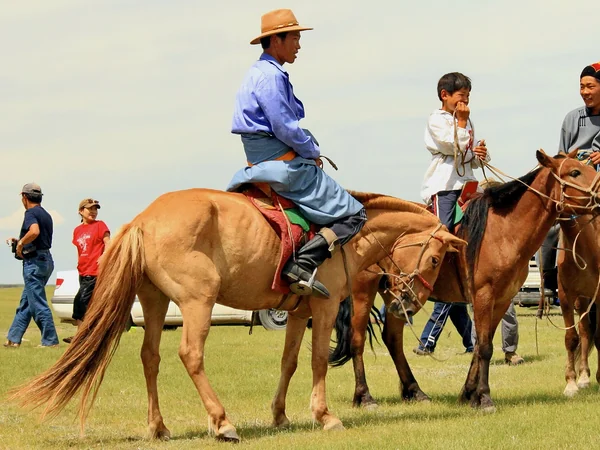
Naadam is a Mongolian term associated with games and gathering, especially wrestling, horse racing and archery. Events take place in Mongolia and in Mongolian communities in China, including Inner Mongolia, but rules, scale and cultural framing vary. This page's horse-rider photograph was made in Mongolia and is used to illustrate the wider event tradition; it should not be labelled as an Inner Mongolia scene. Spectators should stay behind course barriers, avoid obstructing horses and competitors, and confirm transport, permits and weather plans with the current local organizer.
Editorial accountability
Hu Lei, CEO. The named owner is responsible for travel-planning accuracy and escalation of time-sensitive checks.
Yuntian Travel (Yunnan) Group is identified in its corporate profile as a licensed professional inbound travel service provider based in Kunming, China. Registration and travel-service documents can be requested before booking.
Page-specific references where cited, official destination, transport and entry notices, YUNSKY route-planning records, and direct provider confirmation before a booking is finalized.
Content is reviewed when rules, transport, access, pricing or route conditions change. Final availability and operating details are reconfirmed for each traveler’s dates.
Quality review: Page updated: