The history of Chinese clothing is a history of changing materials, technologies, communities and institutions. Archaeological textiles, sewing tools, pottery figures, paintings and written dress codes each reveal different evidence. No single “traditional Chinese outfit” represents every dynasty or ethnic group.
Bone needles and ornaments show that sewing and personal adornment have deep prehistoric roots, while surviving silk fragments document increasingly sophisticated weaving and dyeing. Garments also expressed work, climate, gender, rank and ritual.
Movement across frontiers and the Silk Roads repeatedly reshaped dress, so cultural exchange—not isolation—is central to the story. Use the features of Chinese clothing to interpret color, cut and motifs.
Chinese Clothing in the Qin and Han Dynasties (221 BCE–220 CE)
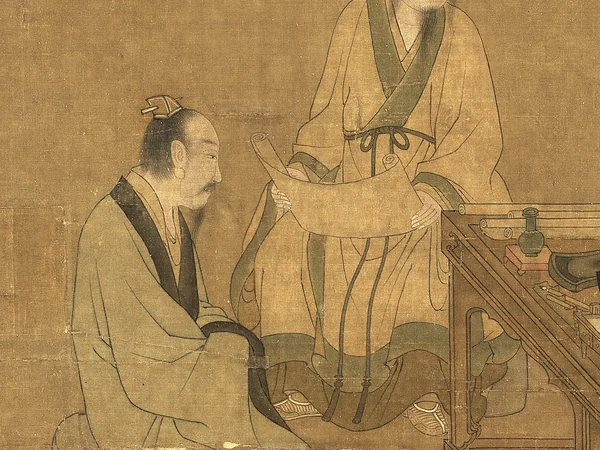
Imperial unification strengthened court and official dress systems, while Han-period tombs preserve remarkable silk robes, textiles and accessories. Shenyi-style joined robes, layered garments and different front closures appear in material and visual evidence. Rank rules mattered at court, but ordinary dress still varied with occupation, region and resources.
Chinese Clothing in the Wei, Jin, Southern and Northern Dynasties (220–589)
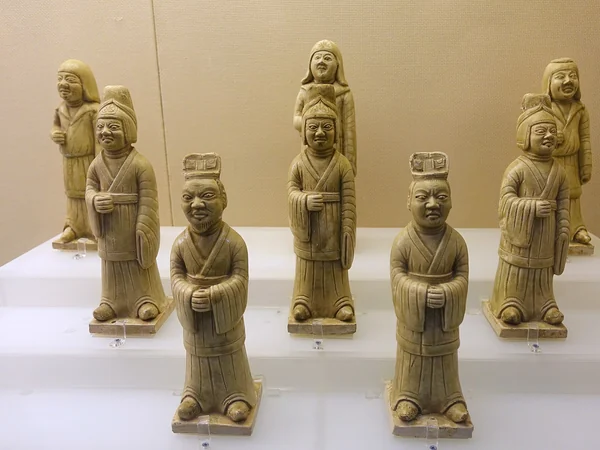
Political division and migration brought sustained contact among northern and southern communities. Clothing included broad and narrow sleeves, long skirts, trousers and robes, while imported materials and styles entered through trade. Museum figures and textiles show diversity rather than one transitional uniform.
Chinese Clothing in the Tang Dynasty (618–907)
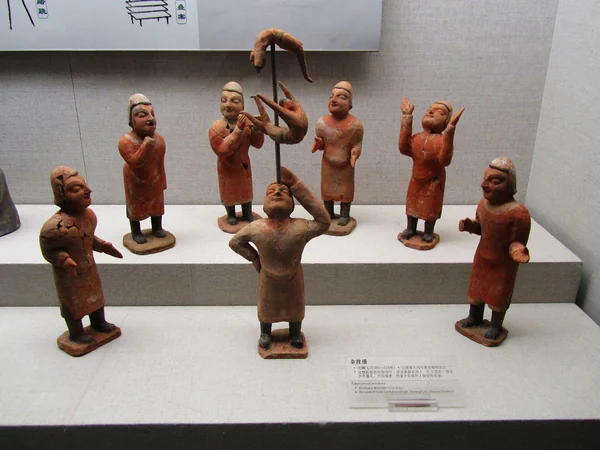
Tang dress is known for variety and cosmopolitan exchange. Court codes coexisted with round-collar robes, narrow-sleeved riding styles, high-waisted skirts, jackets and shawls seen in figures and murals. Foreign-associated hufu influenced fashion, while Chinese silks and patterns circulated widely.
Tang pottery figures provide visual evidence but must be dated and interpreted with their archaeological context.
Chinese Clothing in the Song, Yuan and Ming Dynasties
Song clothing ranged from restrained official dress to richly patterned textiles. Yuan rule connected Mongol and Han garment traditions across a large Eurasian network. Ming institutions developed new court and rank systems while reviving and adapting earlier forms. The Chinese imperial dress guide explains court clothing separately from daily wear.
Chinese Clothing in the Qing Dynasty
Qing clothing reflected Manchu rule, court regulation and continued interaction among many communities. Robes with side fastenings, horse-hoof cuffs, rank badges and elaborate dragon designs are especially visible in collections. Han women's dress, regional clothing and minority traditions remained diverse; “Qing style” is not one garment.
Chinese Clothing from the 1930s to the Modern Era
The modern qipao took shape in the early twentieth century and became strongly associated with urban fashion, especially Shanghai in the 1920s–40s. Later decades brought workwear, suits, global fashion and renewed interest in historically inspired clothing. Contemporary hanfu is a revival and reconstruction movement, not an unchanged survival of one ancient outfit. Compare garment structures in the Chinese clothing types guide, and verify current museum exhibitions before planning a visit.
Hu Lei, CEO. The named owner is responsible for travel-planning accuracy and escalation of time-sensitive checks.
Company and licence status
Yuntian Travel (Yunnan) Group is identified in its corporate profile as a licensed professional inbound travel service provider based in Kunming, China. Registration and travel-service documents can be requested before booking.
Source basis
Page-specific references where cited, official destination, transport and entry notices, YUNSKY route-planning records, and direct provider confirmation before a booking is finalized.
Update basis
Content is reviewed when rules, transport, access, pricing or route conditions change. Final availability and operating details are reconfirmed for each traveler’s dates.