Your China & Yunnan Travel Experts



Fruit is both food and seasonal decoration during Chinese New Year. Auspicious meanings often depend on color, roundness or a name that resembles a favorable word in Mandarin or another Chinese language.
Use symbolism as context, not a rule; the Chinese New Year food guide covers the wider meal.
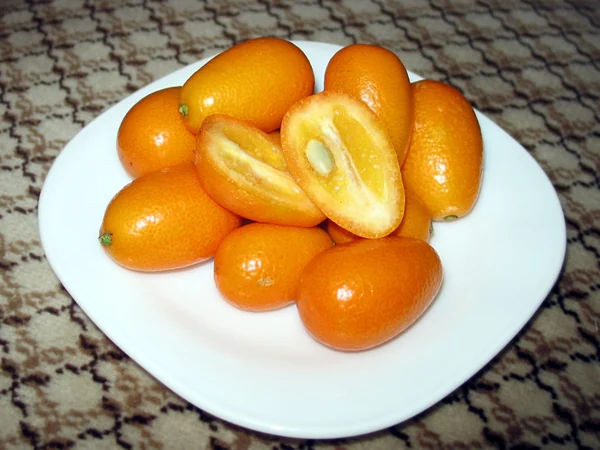
Bright citrus color and names associated with luck make these common gifts and displays.
Choose firm, fragrant fruit without mold, and keep potted kumquat trees separate from fruit intended for eating.
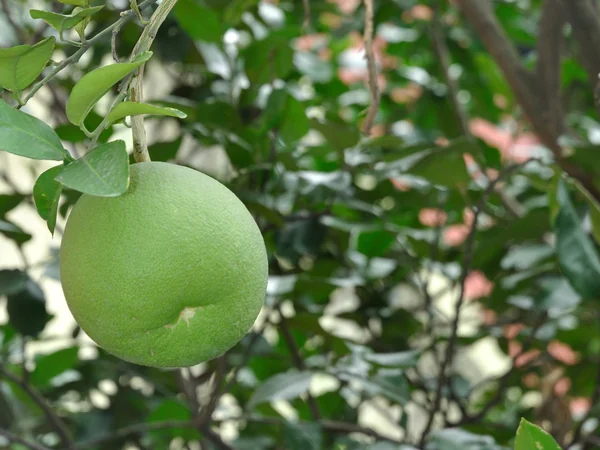
The exact wordplay differs between Mandarin and Cantonese.
Pomelos are large citrus fruits with thick rinds and a long storage life.
Their round form suits reunion imagery, while pronunciation-based meanings vary by region.
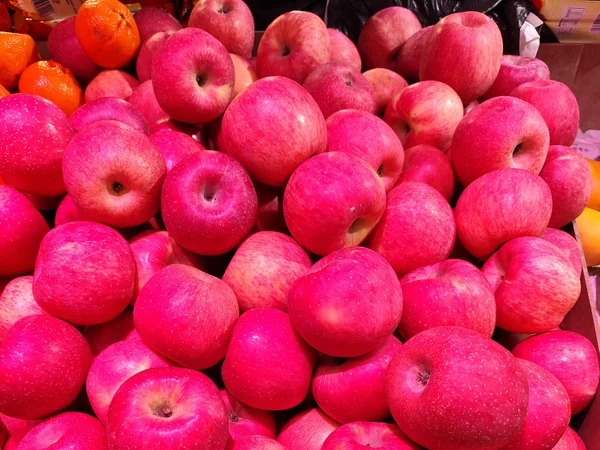
Select a fruit that feels heavy for its size.
The first syllable of píngguǒ is associated with píng'ān, meaning peace or safety.
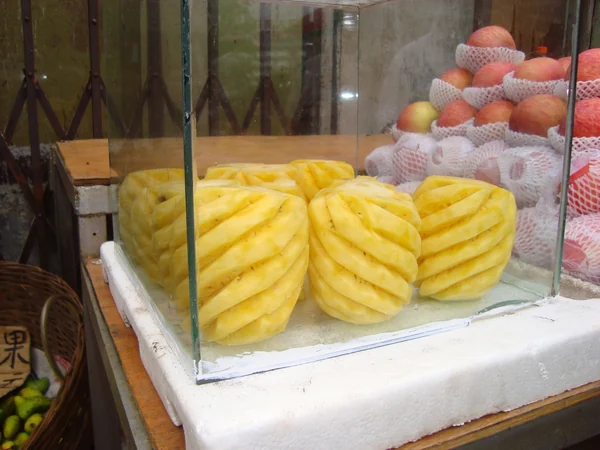
Red apples also fit the festival palette.
A simple, neatly packed box is often more practical than excessive wrapping.
A bunch of many grapes can visually suggest plenty and continuity; check freshness carefully because grapes bruise more easily than citrus.
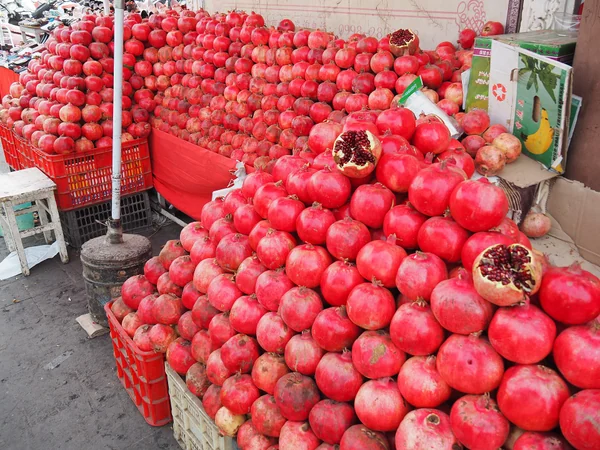
In some southern Chinese languages, the name sounds like a phrase meaning prosperity arriving, but this should not be described as a universal Mandarin pun.
The many seeds support associations with fertility and a flourishing family.
The fruit also appears in Chinese decorative art; do not turn that symbolism into personal comments about someone's family plans.
For gift etiquette, see Chinese New Year gift ideas.
Tall, jointed sugarcane can represent progress from one section to the next.
It is especially visible in some southern traditions.
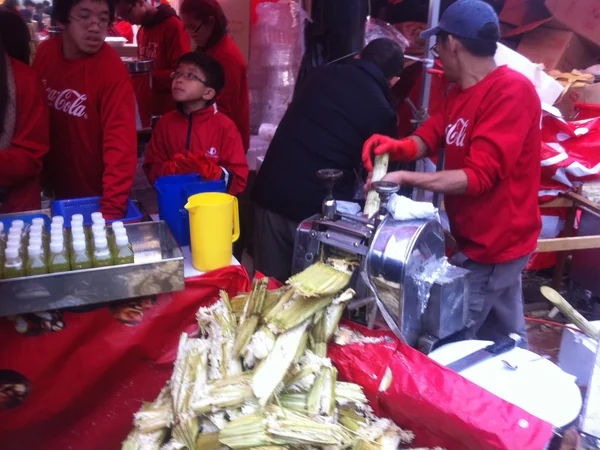
Whole stalks are awkward for transport, so buy only when the host can use them.
Fresh markets are best visited early, with care not to block active trade or photograph vendors without consent.
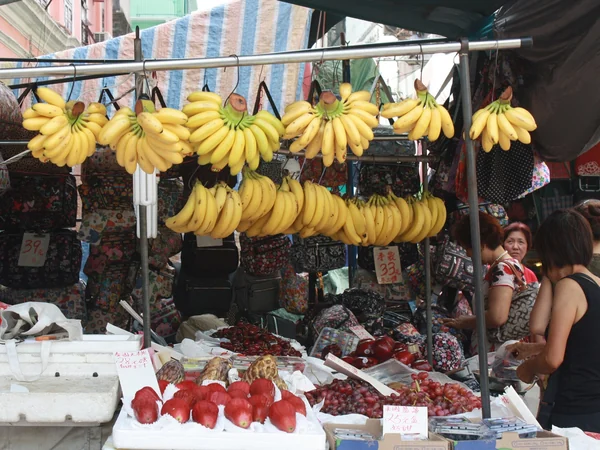
Citrus travels better than soft fruit, but agricultural import rules may restrict what you can take across borders.
Editorial accountability
Hu Lei, CEO. The named owner is responsible for travel-planning accuracy and escalation of time-sensitive checks.
Yuntian Travel (Yunnan) Group is identified in its corporate profile as a licensed professional inbound travel service provider based in Kunming, China. Registration and travel-service documents can be requested before booking.
Page-specific references where cited, official destination, transport and entry notices, YUNSKY route-planning records, and direct provider confirmation before a booking is finalized.
Content is reviewed when rules, transport, access, pricing or route conditions change. Final availability and operating details are reconfirmed for each traveler’s dates.
Quality review: Page updated: