Your China & Yunnan Travel Experts



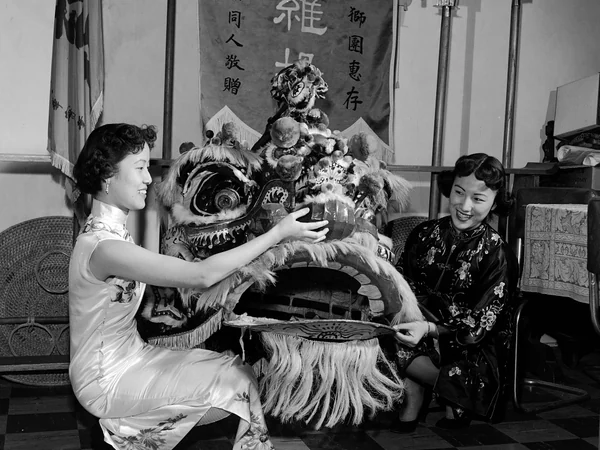
Nian as imagined in modern New Year art
The monster Nian is one of the best-known stories associated with Chinese New Year. It offers a memorable explanation for red decoration, bright light and festive noise, but it should be introduced as folklore—not as proof that the festival began in one event four thousand years ago. Chinese New Year developed through many seasonal, calendrical, agricultural and family traditions. The Chinese New Year overview describes that wider context.
In the popular tale, Nian is a dangerous creature that emerges near the end of the year to threaten a village. Versions disagree about whether it lives in the mountains or sea, what it eats and how often it appears. Those variations are normal in oral and popular storytelling. The creature's name is linked in modern imagination with nián, the Chinese word for year.
A wise elder, traveler or beggar—again depending on the version—recognizes that Nian fears red, fire and loud sound. Instead of fleeing, the villagers work together. This change from fear to coordinated action is the narrative turning point and helps make the tale attractive for children's books, performances and holiday displays.
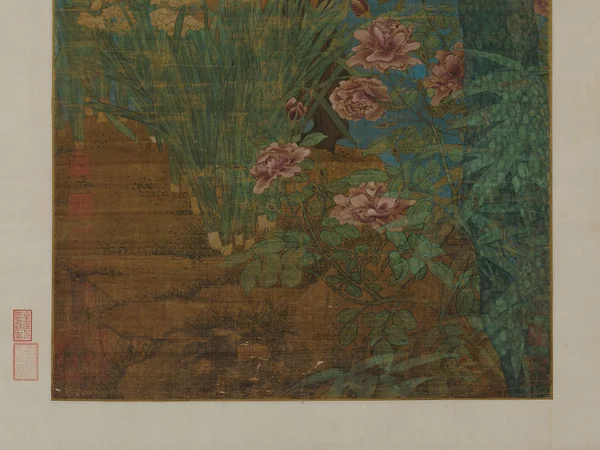
Villagers confronting Nian in a folk illustration
The villagers hang red material, illuminate their homes and create noise with drums, bamboo or firecrackers. Nian retreats, and the community repeats the successful actions when the year turns again. A reunion meal often appears in retellings, connecting protection of the household with family unity. Firework use today is controlled by local law and safety rules; the legend never overrides a ban.
Modern celebrations connect the Nian story with couplets, lanterns and performance, but lion and dragon dances have their own histories and should not be described merely as reenactments of the monster. The Chinese dragon culture guide explains the dragon as a separate cultural symbol associated with power, water and auspicious meaning.
“Guò nián” commonly means to celebrate or pass the New Year. Popular storytelling sometimes interprets it as “surviving Nian,” a clever link that gives the legend emotional force. Linguistic wordplay is not the same as historical documentation. Visitors can enjoy the tale while recognizing the difference between folklore, ritual history and current family practice. See the New Year decoration guide for the meanings and safe placement of the red objects associated with the story.
Editorial accountability
Hu Lei, CEO. The named owner is responsible for travel-planning accuracy and escalation of time-sensitive checks.
Yuntian Travel (Yunnan) Group is identified in its corporate profile as a licensed professional inbound travel service provider based in Kunming, China. Registration and travel-service documents can be requested before booking.
Page-specific references where cited, official destination, transport and entry notices, YUNSKY route-planning records, and direct provider confirmation before a booking is finalized.
Content is reviewed when rules, transport, access, pricing or route conditions change. Final availability and operating details are reconfirmed for each traveler’s dates.
Quality review: Page updated: