Your China & Yunnan Travel Experts



Chinese dragon culture is not a single belief system. Across different periods and regions, dragon imagery has expressed rain and water, seasonal renewal, imperial authority, auspicious energy and community identity. Today visitors may encounter it on museum objects, temple roofs, festival boats, costumes, architecture and everyday language. Meanings depend on context: an imperial robe, a village rain rite and a contemporary dance are related but not interchangeable. For the dated archaeological record behind these changing forms, begin with our Chinese dragon history guide.
Longtaitou (龙抬头), commonly translated as Dragon Head-Raising Day, falls on the second day of the second lunar month. In the agricultural calendar it signals spring's return and the hoped-for arrival of rain. The date moves on the Gregorian calendar each year. Customs differ widely, but may include temple visits, foods with dragon-themed names and prayers for favorable growing conditions. It is a folk festival rather than a standardized national ceremony, so travelers should check current local schedules instead of expecting one fixed program.
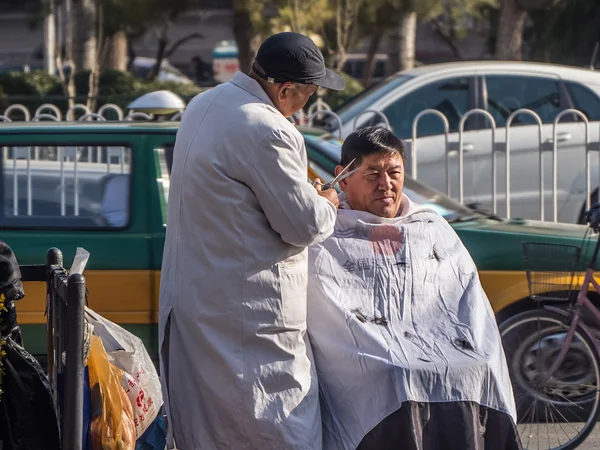
Haircuts are now one of the most visible customs in many communities: a fresh haircut is associated with an energetic start to the season, and barbers can be especially busy. Historical practices also included protecting grain, honoring water-related deities or avoiding activities thought to disturb the dragon. Not every household observes these customs, and explanations vary. Ask before photographing worshippers, do not enter restricted ritual space and describe what you actually see rather than treating a local performance as universal Chinese practice.
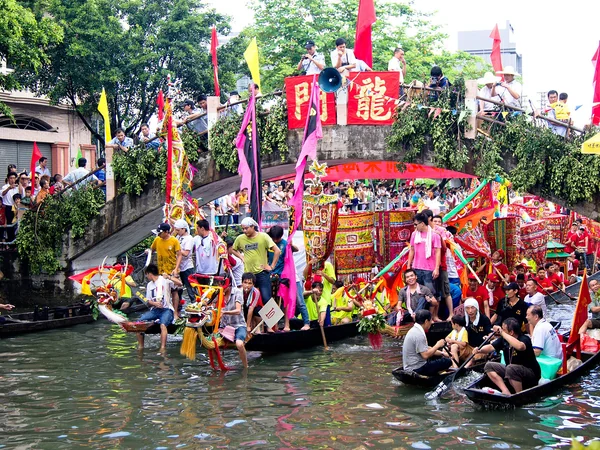
A dragon boat is a long paddled craft whose bow and stern may be shaped or painted as a dragon. Construction, crew size, decoration and racing rules vary between community traditions and modern sport organizations. In ceremonial settings, teams may “awaken” or paint the dragon's eyes before launching. In competition, a drummer helps set cadence while a steerer controls direction. Visitors should distinguish community rites from regulated races; both are living forms, but their purposes and protocols are not identical.
Boat traditions have more than one origin story. The best-known modern account links the festival to Qu Yuan, a poet and statesman associated with the ancient state of Chu. Other local explanations honor different figures or emphasize seasonal protection, water ritual and community health. It is therefore inaccurate to claim that one event created every dragon-boat custom across China. The dragon boat's history is better understood as several regional practices that became connected through shared festival timing and later national narratives.
The Dragon Boat Festival, Duanwujie, falls on the fifth day of the fifth lunar month. Customs can include racing, eating zongzi, hanging aromatic plants and wearing protective ornaments. UNESCO inscribed the Dragon Boat Festival on the Representative List of the Intangible Cultural Heritage of Humanity in 2009, emphasizing knowledge and practices transmitted through communities. Inscription recognizes living heritage; it does not freeze the festival into one official version. Zongzi are parcels of glutinous rice wrapped in leaves, with sweet or savory fillings that vary by region and family. They are strongly associated with Duanwu, but neither one flavor nor one folding style represents the whole country. Visitors with allergies or dietary restrictions should ask about fillings, oils and cross-contact rather than relying on appearance. Qu Yuan remains central to many public retellings: after his death in the Miluo River, people are said to have raced boats and offered rice. This is a powerful commemorative legend, but historians separate later narrative layers from securely dated evidence. On site, interpretive signs or local guides can explain which story a community highlights. For useful terminology encountered in signs and souvenirs, see our guide to the dragon in Chinese language.
Modern races may use standardized hulls and safety rules, but crew formats are not universal. Watch from designated areas, keep clear of launching lanes and follow instructions around docks. If you plan to join an amateur session, confirm flotation equipment, weather policy and organizer credentials. Cultural enthusiasm should never replace ordinary water safety.
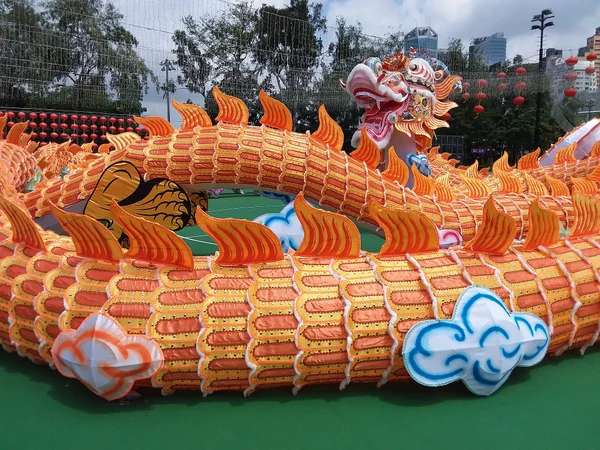
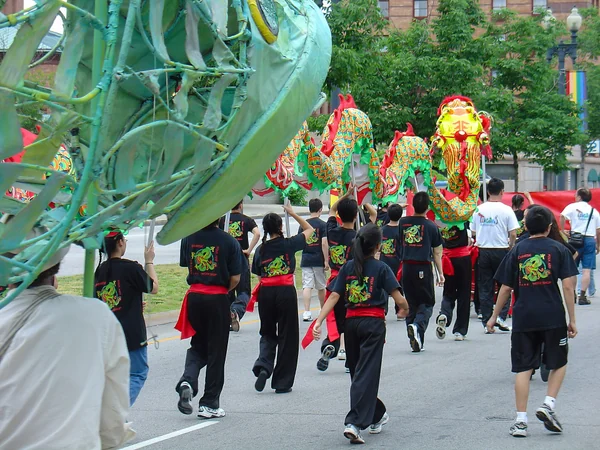
In a dragon dance, performers carry a flexible dragon body on poles and coordinate waves, spirals and pursuit patterns, often following a “pearl” held by another performer. The number of sections, musical ensemble and movement vocabulary depend on the troupe and region. Skill lies in collective timing: the audience should see one animated creature rather than separate carriers. Lion dance is a different form with different costumes and movement traditions, even though both may appear at the same celebration.
Dragon dance is common during Lunar New Year events, temple fairs, business openings and civic celebrations. It may be presented as ritual, community heritage, entertainment or a mixture of these. The dragons of the Forbidden City provide a useful contrast: palace motifs communicate rank and imperial order, while a street performance turns a long body into shared movement. Lantern Festival The Lantern Festival closes the traditional Lunar New Year period on the fifteenth day of the first lunar month. Some cities stage illuminated dragon dances or display large dragon-shaped lanterns, but programs change annually. “Fire dragon” traditions may use sparks, incense or heated materials and require controlled routes and trained teams. Stay behind barriers and follow organizers' photography guidance. Community Meaning Dragon culture remains visible because people continue to make, perform and reinterpret it. A museum label can identify a historic object; a craftsperson can explain construction; a troupe can describe its lineage; residents can tell visitors what a festival means locally. Combining those voices produces a stronger understanding than repeating broad claims about all Chinese people. The responsible approach is specific about place and date, attentive to safety and open about the difference between documented history, religious practice and beloved legend.
Editorial accountability
Hu Lei, CEO. The named owner is responsible for travel-planning accuracy and escalation of time-sensitive checks.
Yuntian Travel (Yunnan) Group is identified in its corporate profile as a licensed professional inbound travel service provider based in Kunming, China. Registration and travel-service documents can be requested before booking.
Page-specific references where cited, official destination, transport and entry notices, YUNSKY route-planning records, and direct provider confirmation before a booking is finalized.
Content is reviewed when rules, transport, access, pricing or route conditions change. Final availability and operating details are reconfirmed for each traveler’s dates.
Quality review: Page updated: