Your China & Yunnan Travel Experts



“Chinese dragon worship” covers several different practices rather than one national religion. Communities addressed water deities for rain, safety or relief from floods; courts used dragon imagery to communicate authority; temples incorporated Dragon Kings into wider religious networks; and households joined seasonal customs with local meanings. Evidence comes from ritual texts, inscriptions, temples, art and later stories, and those sources do not always agree. The dragon can be revered, petitioned, feared or displayed as an auspicious motif. A careful account identifies the place, period and worshipping community instead of calling the dragon a universal Chinese totem.
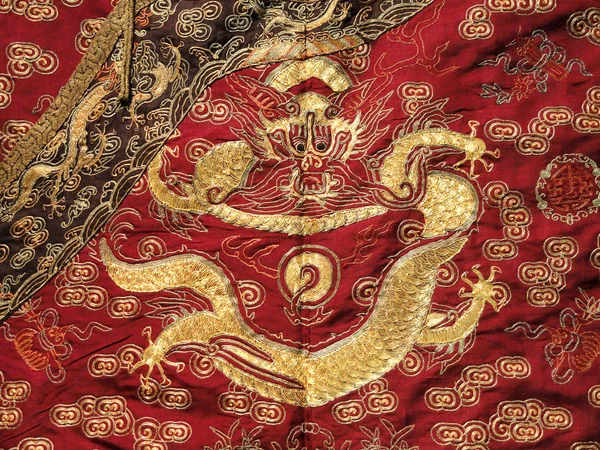
Dragon Kings (Lóngwáng) are divine rulers associated with seas, rivers, wells, clouds and rainfall in Chinese popular religion and Daoist-influenced traditions. Some narratives describe four kings of the directional seas; local temples may honor a particular spring, river or regional deity. Their identities and ranks changed over time. Fictional underwater palaces and divine bureaucracies helped make them familiar, but worship was also practical: farming communities depended on seasonal water and coastal communities faced dangerous seas.
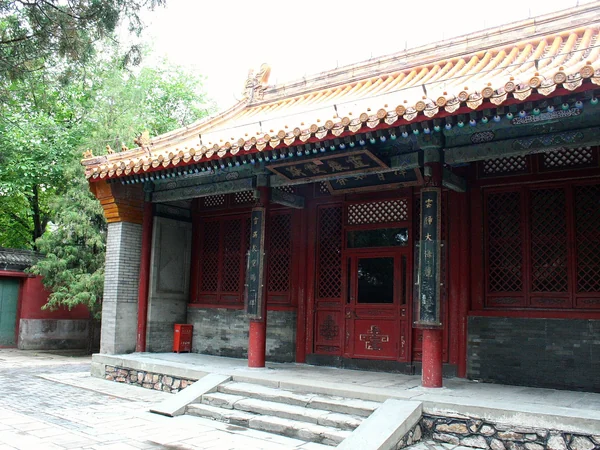
During drought, officials or residents might petition a rain deity through processions, offerings, fasting or temple rites; during flood, prayers could ask for restraint. Procedures differed by dynasty and locality, and worship did not replace irrigation, embankments or other material responses. Modern observance ranges from active religious practice to festival heritage. Visitors should not touch offerings, interrupt a rite or photograph worshippers without permission. For a wider map of overlapping traditions, see Chinese philosophy and religion.
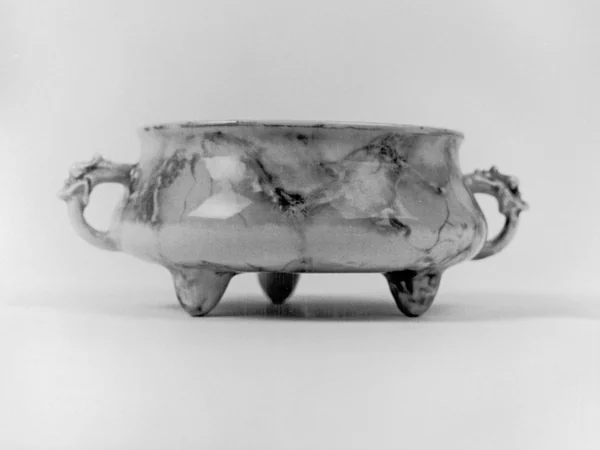
Chinese rulers connected themselves with dragons through titles, robes, thrones, seals, ceramics and palace decoration. The association expressed cosmic legitimacy and hierarchy, but regulations changed across dynasties and were not reducible to a universal “five claws for emperor, four for everyone else” rule. Claw count, color, placement and surrounding motifs must be dated together. Museum catalogue records are safer guides than souvenir explanations.
Court ceremonies could include prayers for rain and state-sponsored rites at selected temples. Here religious authority, public welfare and political performance overlapped: a successful ruler was expected to maintain order between heaven, earth and society. Later legends about early emperors ascending with dragons reinforced that prestige, but legend and administrative record are different evidence. The archaeological and art history of Chinese dragons shows why the symbol cannot be traced to a single imperial invention.
Outside the palace, dragons appeared on temple architecture, boats, household objects, embroidery, festival costumes and personal names. People could celebrate a dragon dance without worshipping a dragon deity, just as a decorative motif need not be a sacred object. Local craftsmen and ritual specialists often preserve the most specific knowledge: which dragon is represented, when it is displayed, who may handle it and what words accompany the event. Our Chinese dragon traditions guide covers Longtaitou, dragon boats and public performance.
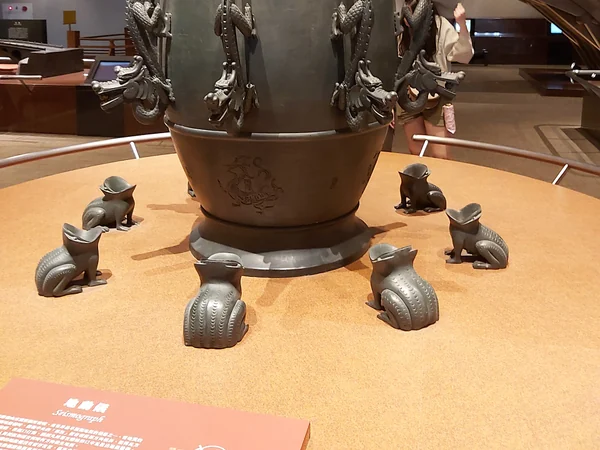
Zhang Heng's second-century seismoscope is frequently shown in modern reconstructions with dragon heads holding balls above open-mouthed toads. Historical texts describe a device that indicated the direction of distant earth movement, but no original instrument survives and reconstructions differ. It was not a modern magnitude-measuring seismograph, and its dragon decoration does not prove that ordinary people worshipped the machine. The example is valuable precisely because it shows how cosmological imagery, technical imagination and later museum reconstruction can become intertwined. Label replicas clearly and avoid presenting uncertain mechanics as settled fact.
Editorial accountability
Hu Lei, CEO. The named owner is responsible for travel-planning accuracy and escalation of time-sensitive checks.
Yuntian Travel (Yunnan) Group is identified in its corporate profile as a licensed professional inbound travel service provider based in Kunming, China. Registration and travel-service documents can be requested before booking.
Page-specific references where cited, official destination, transport and entry notices, YUNSKY route-planning records, and direct provider confirmation before a booking is finalized.
Content is reviewed when rules, transport, access, pricing or route conditions change. Final availability and operating details are reconfirmed for each traveler’s dates.
Quality review: Page updated: