Your China & Yunnan Travel Experts



These answers separate widely shared festival patterns from regional or household choices. For a complete timeline and planning checklist, start with the Chinese New Year hub.
In mainland Chinese usage, Spring Festival commonly names the holiday season centered on Lunar New Year. “Lunar New Year” is broader and can refer to New Year traditions in several cultures.
It is one of China's most important annual family and cultural occasions, especially for reunion and renewal.
Importance does not mean every person observes the same rituals; for travelers, its practical effects include very high transport demand and changed business schedules.
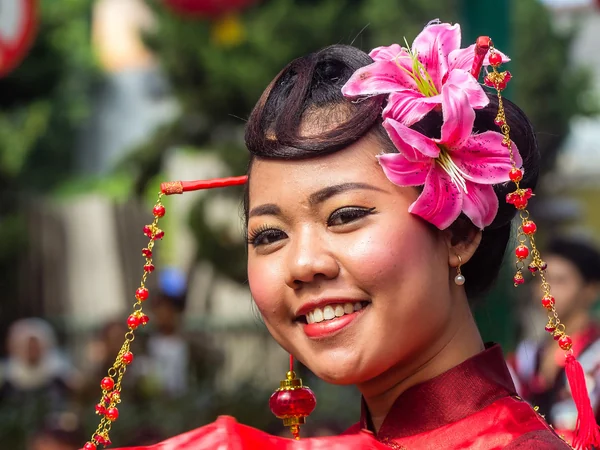
3. Why Is Chinese New Year on a Different Date Each Year?
It falls between late January and mid-February, so always confirm the relevant year.
4. How Long Does Chinese New Year Last?
The official public holiday is a separate, year-specific schedule.
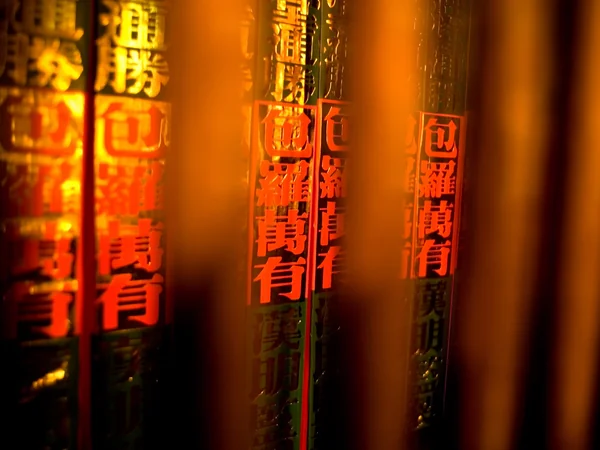
5. How Do People Celebrate Chinese New Year?
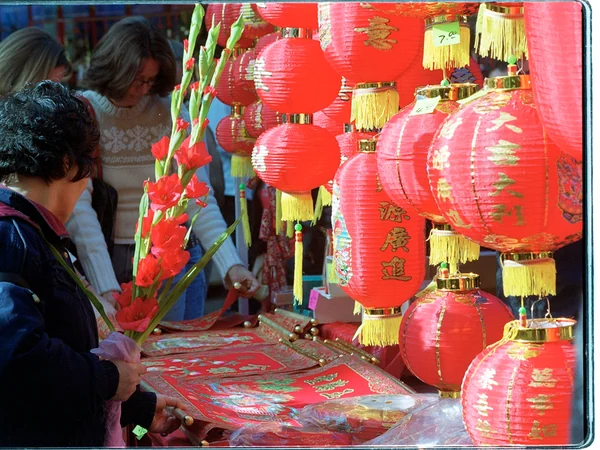
Homes may be cleaned and decorated before the first day.
For more distinctions, read the Chinese New Year facts.
6. What Do People Eat During Chinese New Year?
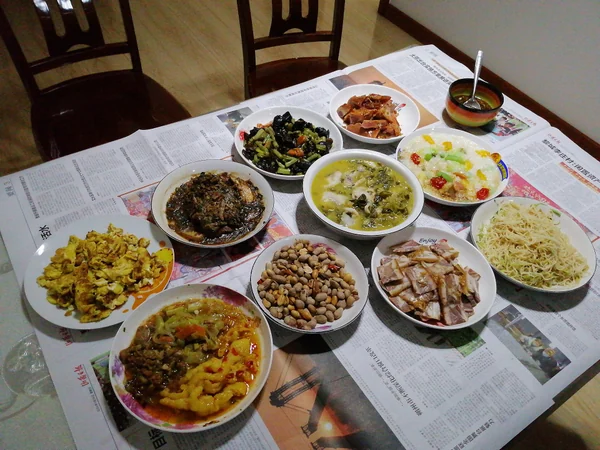
Names, shapes and serving practices may carry auspicious associations.
Check dietary requirements and restaurant opening hours.
Family recipes often matter as much as symbolic explanations.
Northern and southern menus can be notably different.
Avoid claiming that one dish is mandatory.
Food gifts should be appropriate for the recipient.
Regional markets can provide context without entering a private celebration.
The taboos guide explains why etiquette claims should be treated carefully.
7. Why Is Red Associated with Chinese New Year?
The Nian legend is a popular explanatory story, not a complete history of every custom.
Modern decoration combines folk symbols, design fashion and commerce.
8. Why Do People Give Red Envelopes?
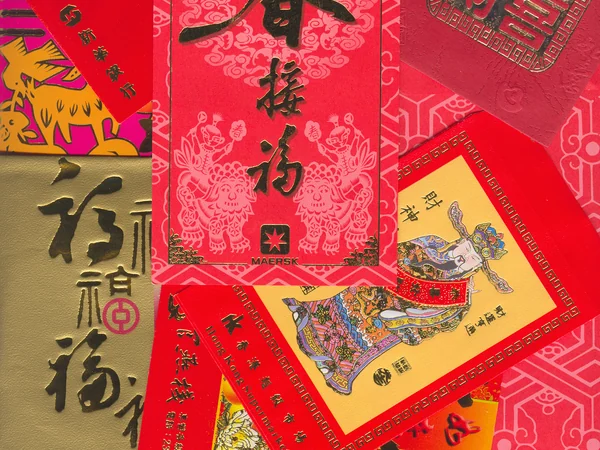
Parents and elders often give to younger family members, while workplace customs differ.
Digital hongbao now coexist with paper envelopes.

Amounts and relationships are sensitive; follow the host rather than copying a number online.
Sound is traditionally associated with driving away harmful forces and announcing celebration.
Restrictions differ by city because of fire, safety and air-quality concerns.
Avoid unnecessary intercity moves immediately before and after the first day.
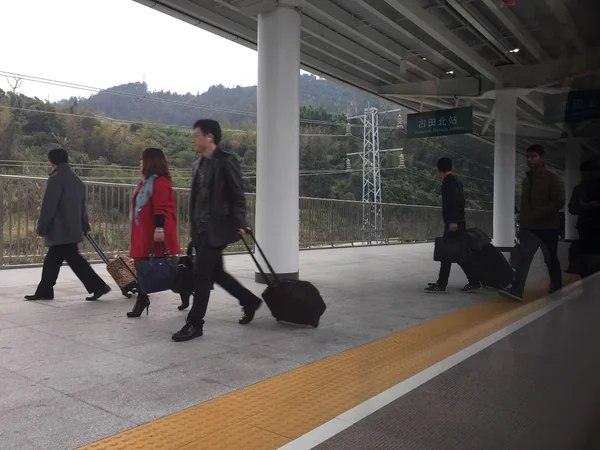
Reserve transport as soon as the relevant sales window opens.
Choose one base city and visit major sites early in the day.
Keep alternatives for closures or capacity controls.
Decide whether your priority is public culture, family time with an invitation, winter scenery or quiet sightseeing.
Confirm the official holiday notice, attraction hours and transport rules for the travel year.
Build spare time around long-distance connections.
Editorial accountability
Hu Lei, CEO. The named owner is responsible for travel-planning accuracy and escalation of time-sensitive checks.
Yuntian Travel (Yunnan) Group is identified in its corporate profile as a licensed professional inbound travel service provider based in Kunming, China. Registration and travel-service documents can be requested before booking.
Page-specific references where cited, official destination, transport and entry notices, YUNSKY route-planning records, and direct provider confirmation before a booking is finalized.
Content is reviewed when rules, transport, access, pricing or route conditions change. Final availability and operating details are reconfirmed for each traveler’s dates.
Quality review: Page updated: