Your China & Yunnan Travel Experts



Timing note for September: Weather transitions first at altitude, so frost or early snow can affect western parks. Mid-Autumn Festival dates vary and may increase short-break traffic. Seasonal scenery and operating conditions cannot be guaranteed by a fixed calendar, so confirm the latest situation shortly before travel. For the next planning step, use the China Silk Road guide.
Use the scenic shuttle system and choose a limited set of walks or viewpoints rather than attempting every village and bay. Weather transitions first at altitude, so frost or early snow can affect western parks. Mid-Autumn Festival dates vary and may increase short-break traffic. Keep a weather-aware alternative rather than relying on a rigid hour-by-hour list. This stop best suits travelers who value landscape and cultural context over a rushed checklist. Compare travel time, altitude and reservation difficulty before adding it. Bring adaptable layers, rain protection for the south and warmer clothing for Xinjiang, Qinghai, Tibet and high mountain areas.
Weather planning for In September, the in September: September is a useful shoulder month: summer heat begins to ease, western landscapes turn autumnal and many routes remain accessible. Conditions vary by elevation and region, so use a current local forecast when deciding what to pack and which outdoor day to keep flexible.
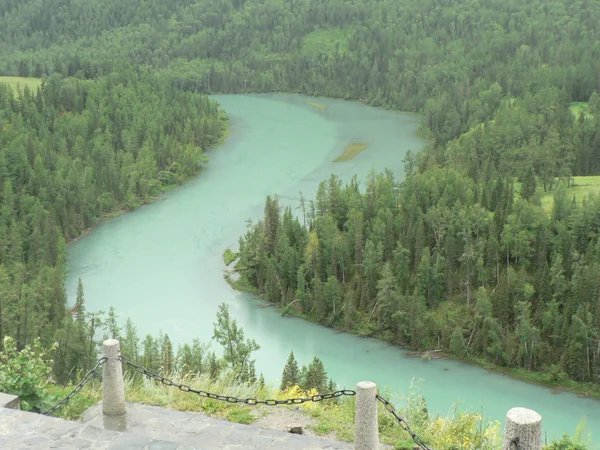
The Moon Bay in Kanas in Autumn
Lhasa anchors a Tibet journey with major Buddhist sites and a high-altitude urban base for gradual acclimatization. In September, september is a useful shoulder month: summer heat begins to ease, western landscapes turn autumnal and many routes remain accessible. Start with a gentle first day, then visit the Potala Palace, Jokhang area and monasteries according to confirmed reservations. Allow three nights before higher or more remote excursions and use the permits and arrangements required for the itinerary. For this September route, place the highest-altitude stop early enough to respond to the first frost or snow without losing the onward journey. Entry, permits and site procedures can change; verify them through official channels and an authorized Tibet operator.
Choose a small number of meaningful sights and leave time for local context instead of using the destination as a photo stop. Weather transitions first at altitude, so frost or early snow can affect western parks. Mid-Autumn Festival dates vary and may increase short-break traffic. Keep a weather-aware alternative rather than relying on a rigid hour-by-hour list. This stop best suits travelers who value a well-paced regional route over a rushed checklist. Compare travel time, altitude and reservation difficulty before adding it. Bring adaptable layers, rain protection for the south and warmer clothing for Xinjiang, Qinghai, Tibet and high mountain areas.
Confirm the transport gateway and allow enough nights to avoid spending most of the visit in transit. For this September route, place the highest-altitude stop early enough to respond to the first frost or snow without losing the onward journey. Weather, reservations and local operating rules should be checked again shortly before travel. Jiuzhai Valley Please note that autumn is the peak season of Jiuzhai Valley, which will be full of domestic tourists. can work in a month-specific itinerary when its landscape, access and travel pace match the wider route. In September, september is a useful shoulder month: summer heat begins to ease, western landscapes turn autumnal and many routes remain accessible. Choose a small number of meaningful sights and leave time for local context instead of using the destination as a photo stop.
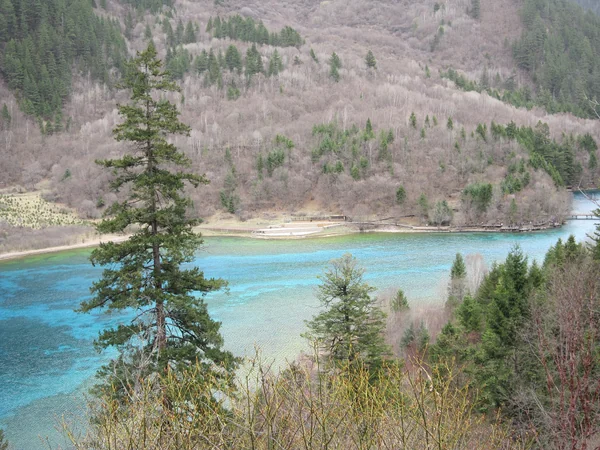
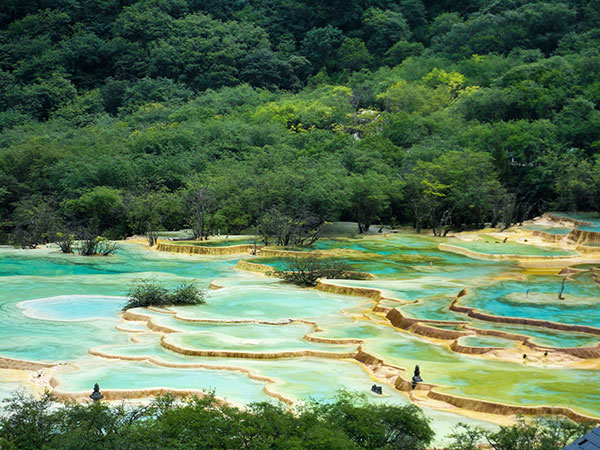
Located 100 kilometers from Jiuzhai Valley, Huanglong Scenic Area is another fairyland in Aba Prefecture in Sichuan Province. There are more than 3,000 pools at Huanglong. The color of water in the pools will be yellow, green, light blue or blue due to the changes of underwater sediments, trees and forests. To visit Huanglong Scenic Area, sunny days are recommended to get most beautiful colors of the thousands of pools.
The average temperature of Huanglong Scenic Area in September is 18℃, which is cool and comfortable. But it will be a bit cold at nights, it is recommended that you bring coats to Huanglong in September.
Dunhuang brings together Mogao's Buddhist art, desert landforms and the oasis history of the Hexi Corridor. In September, september is a useful shoulder month: summer heat begins to ease, western landscapes turn autumnal and many routes remain accessible. Separate the Mogao visit from dunes or Yardang landscapes so timed entry and road distances do not compete. Two nights is the practical minimum; flights and trains connect through regional hubs, but schedules need checking. For this September route, place the highest-altitude stop early enough to respond to the first frost or snow without losing the onward journey. Mogao access is controlled and desert temperature swings are substantial, so book through official channels and carry layers.
Separate the Mogao visit from dunes or Yardang landscapes so timed entry and road distances do not compete. Weather transitions first at altitude, so frost or early snow can affect western parks. Mid-Autumn Festival dates vary and may increase short-break traffic. Keep a weather-aware alternative rather than relying on a rigid hour-by-hour list. This stop best suits travelers who value a well-paced regional route over a rushed checklist. Compare travel time, altitude and reservation difficulty before adding it. Bring adaptable layers, rain protection for the south and warmer clothing for Xinjiang, Qinghai, Tibet and high mountain areas.
Dunhuang in September is cooler and with less crowds.

Singing Sands Mountain in Dunhuang
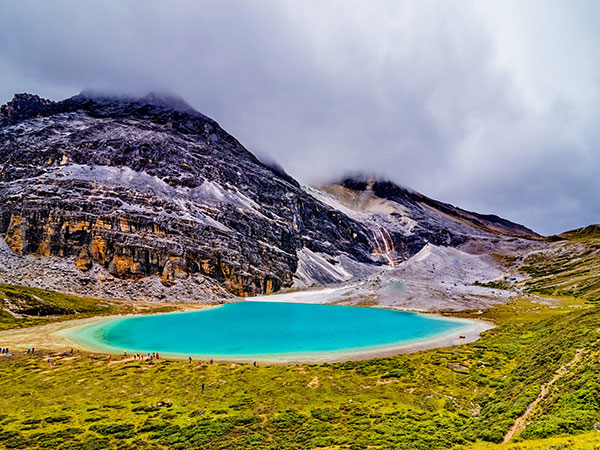
Daocheng Yading is an alpine landscape of sacred peaks, lakes and high-elevation trails in western Sichuan. In September, september is a useful shoulder month: summer heat begins to ease, western landscapes turn autumnal and many routes remain accessible. Acclimatize before the longest walk and select a route appropriate to fitness rather than treating every lake as mandatory. Allow multiple nights because road or flight access, altitude and park transport consume time. For this September route, place the highest-altitude stop early enough to respond to the first frost or snow without losing the onward journey. Snow, storms and altitude illness can change the plan; turn back if symptoms worsen.
Plan a small number of scenic stops with a reputable driver and include a town or museum for regional context. Weather transitions first at altitude, so frost or early snow can affect western parks. Mid-Autumn Festival dates vary and may increase short-break traffic. Keep a weather-aware alternative rather than relying on a rigid hour-by-hour list. This stop best suits travelers who value landscape and cultural context over a rushed checklist. Compare travel time, altitude and reservation difficulty before adding it. Bring adaptable layers, rain protection for the south and warmer clothing for Xinjiang, Qinghai, Tibet and high mountain areas.
Weather planning for The in September: September is a useful shoulder month: summer heat begins to ease, western landscapes turn autumnal and many routes remain accessible. Conditions vary by elevation and region, so use a current local forecast when deciding what to pack and which outdoor day to keep flexible.
Zhangjiajie is defined by sandstone pillars, forested ravines and a large shuttle-and-cableway network. In September, september is a useful shoulder month: summer heat begins to ease, western landscapes turn autumnal and many routes remain accessible. Choose one major landscape zone per day and use viewpoints at different elevations instead of racing between every named platform. Allow at least two full sightseeing days; add Tianmen Mountain as a separate day if weather and visibility justify it. For this September route, place the highest-altitude stop early enough to respond to the first frost or snow without losing the onward journey. Fog can be atmospheric but may hide distant views, and wet stone steps require cautious footwear.
Choose one major landscape zone per day and use viewpoints at different elevations instead of racing between every named platform. Weather transitions first at altitude, so frost or early snow can affect western parks. Mid-Autumn Festival dates vary and may increase short-break traffic. Keep a weather-aware alternative rather than relying on a rigid hour-by-hour list. This stop best suits travelers who value a well-paced regional route over a rushed checklist. Compare travel time, altitude and reservation difficulty before adding it. Bring adaptable layers, rain protection for the south and warmer clothing for Xinjiang, Qinghai, Tibet and high mountain areas.
Allow at least two full sightseeing days; add Tianmen Mountain as a separate day if weather and visibility justify it. For this September route, place the highest-altitude stop early enough to respond to the first frost or snow without losing the onward journey. Fog can be atmospheric but may hide distant views, and wet stone steps require cautious footwear. Zhangjiajie is defined by sandstone pillars, forested ravines and a large shuttle-and-cableway network. In September, september is a useful shoulder month: summer heat begins to ease, western landscapes turn autumnal and many routes remain accessible. Choose one major landscape zone per day and use viewpoints at different elevations instead of racing between every named platform.
Timing note for September: Weather transitions first at altitude, so frost or early snow can affect western parks. Mid-Autumn Festival dates vary and may increase short-break traffic. Seasonal scenery and operating conditions cannot be guaranteed by a fixed calendar, so confirm the latest situation shortly before travel.
Visit the viewing platforms when light is favorable and add one historical stop for context beyond the landscape. Weather transitions first at altitude, so frost or early snow can affect western parks. Mid-Autumn Festival dates vary and may increase short-break traffic. Keep a weather-aware alternative rather than relying on a rigid hour-by-hour list. This stop best suits travelers who value landscape and cultural context over a rushed checklist. Compare travel time, altitude and reservation difficulty before adding it. Bring adaptable layers, rain protection for the south and warmer clothing for Xinjiang, Qinghai, Tibet and high mountain areas.
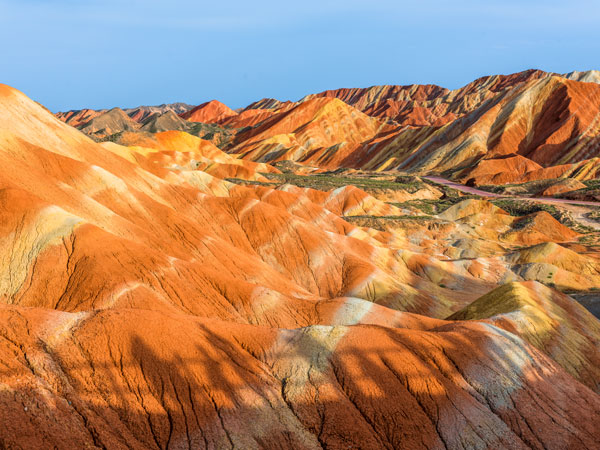
Zhangye Colorful Danxia Scenic Spot
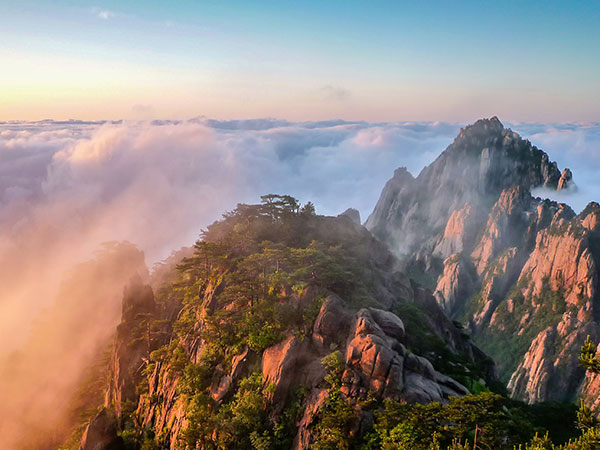
Huangshan is a granite mountain landscape of steep paths, pines and viewpoints that change dramatically with cloud and season. In September, september is a useful shoulder month: summer heat begins to ease, western landscapes turn autumnal and many routes remain accessible. Choose the ascent, descent and hotel location before arrival; a cableway reduces climbing but not all stair walking. One mountain night improves sunrise access but adds luggage and weather considerations. For this September route, place the highest-altitude stop early enough to respond to the first frost or snow without losing the onward journey. Visibility is never guaranteed and icy or wet steps demand current trail information.
Choose the ascent, descent and hotel location before arrival; a cableway reduces climbing but not all stair walking. Weather transitions first at altitude, so frost or early snow can affect western parks. Mid-Autumn Festival dates vary and may increase short-break traffic. Keep a weather-aware alternative rather than relying on a rigid hour-by-hour list. This stop best suits travelers who value a well-paced regional route over a rushed checklist. Compare travel time, altitude and reservation difficulty before adding it. Bring adaptable layers, rain protection for the south and warmer clothing for Xinjiang, Qinghai, Tibet and high mountain areas.
Editorial accountability
Hu Lei, CEO. The named owner is responsible for travel-planning accuracy and escalation of time-sensitive checks.
Yuntian Travel (Yunnan) Group is identified in its corporate profile as a licensed professional inbound travel service provider based in Kunming, China. Registration and travel-service documents can be requested before booking.
Page-specific references where cited, official destination, transport and entry notices, YUNSKY route-planning records, and direct provider confirmation before a booking is finalized.
Content is reviewed when rules, transport, access, pricing or route conditions change. Final availability and operating details are reconfirmed for each traveler’s dates.
Quality review: Page updated: