Your China & Yunnan Travel Experts



In travel writing, “Jiangnan water town” usually means a lower-Yangtze settlement where canals, bridges, lanes, houses and former trading spaces grew as one system. The term is regional rather than a formal attraction grade. The nine towns below sit around Shanghai, southern Jiangsu and northern Zhejiang, but they are not interchangeable: some have heavily managed scenic zones, some retain a quieter everyday scale, and some are as much garden or museum destinations as canal walks. For a wider national comparison beyond Jiangnan, use our guide to ancient towns in China. There is no evidence-based “No. 1” water town. Decide first whether you want predawn photography, a convenient Shanghai day trip, classical gardens, bridge history, evening lights or a slower neighbourhood walk. Several famous towns appear on China's UNESCO Tentative List, but that is not the same as inscription on the World Heritage List. Tickets, boat routes and last-entry times change; check the town's official channel shortly before travel.

Best for: a polished, compact introduction to canals and stone bridges Southeast of Suzhou, Zhouzhuang developed at the meeting of water systems linked to the Taihu basin and Grand Canal. Its dense historic core makes the classic composition easy to find: arched bridges, waterside houses, landing steps and narrow lanes appear within a short walk. What gives the town character
The paired Shide and Yongan bridges are more useful for understanding the canal layout than another “Venice of the East” slogan. Shen House and Zhang House add merchant-residence context, while the waterways reveal how boats once connected homes, shops and the wider region. Trade-off: Zhouzhuang's fame brings tour groups and a visibly managed visitor economy. Arrive near opening time or stay late if atmosphere matters; do not photograph residents through doors or use working landing steps as private sets.

Best for: evening atmosphere, museums and an organized stay Wuzhen's waterways supported agriculture, silk production and trade, and the old town preserves a close relationship between river and built frontage. Today its scenic areas are carefully operated, especially the larger West Scenic Zone. That creates reliable visitor facilities and dramatic night lighting, but it can feel more curated than an ordinary neighbourhood.
The Former Residence of Mao Dun adds literary history; workshops and museums can explain local industries when interpretation is open. A sleepover lets you see quieter early and late hours rather than rushing a return transfer. For camera planning, the separate Wuzhen photography guide covers light and viewpoints without promising empty streets. Trade-off: east/west-zone access, accommodation privileges and boat tickets are operational details. Confirm the current package instead of relying on a screenshot from an old booking page.

Best for: travellers who want both town fabric and garden design Tongli's lanes and waterways form an intimate network, but the Retreat and Reflection Garden is the reason to allow more than a quick bridge circuit. Built beside water in the Qing period, the garden uses compact halls, courts, rocks and views to compress a much larger landscape idea.
The Three Bridges route is popular because it creates a memorable loop through the town. Treat it as a living custom and spatial sequence, not a prop. Smaller residences and waterside passages reward slow looking after the headline garden. Trade-off: garden entry and old-town circulation may follow different checks or opening arrangements. Map the essential stop first, then leave unplanned time for lanes rather than racing through a list.

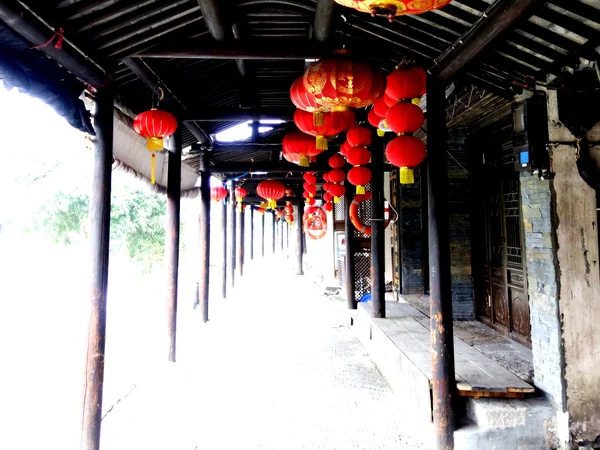
Best for: long waterside walks, covered lanes and late-day energy At the Jiangsu–Zhejiang–Shanghai junction, Xitang grew with water transport and regional exchange. Continuous roofed corridors along parts of the river give the town a different pedestrian rhythm: they shelter movement, frame oblique canal views and make rain part of the experience rather than a complete washout. Look beyond the main canal: Shipi Lane, stone bridges and surviving residential fabric show how narrow land parcels connected busy commercial frontage with more private spaces behind. The town is on the same UNESCO Tentative List as Zhouzhuang, Luzhi and Wuzhen; “tentative” must not be advertised as World Heritage status.
Evening reality
Bars, music and illuminated facades can make the central zone energetic after dark. That suits some visitors and disappoints those seeking silence. Stay outside the busiest strip or visit early if architecture is the priority. Trade-off: weekend footfall can be intense. Give way in narrow lanes and avoid blocking thresholds while composing photographs.
Best for: a first water-town day trip without changing regional base In Shanghai's Qingpu District, Zhujiajiao combines a substantial historic block with straightforward metropolitan access. Fangsheng Bridge, the canal spine, traditional shops and preserved religious or residential buildings make it more than a brief boat ride.
Its convenience is also its challenge. Main lanes can become congested, while side streets and the approaches to older buildings often reveal more of the town's scale. A boat is optional: walking first helps you understand which waterways and bridges the ride actually passes.
Pairing idea: Zhujiajiao and Jinze can form a useful comparison within Qingpu—one established and busy, the other quieter and bridge-focused—but only with a realistic transfer plan. Trade-off: use current municipal or operator information for metro connections, scenic-zone rules and boat service; seasonal routes are not permanent promises.

Best for: bridge history and a lower-key Suzhou-area visit Luzhi is threaded by several waterways and is traditionally associated with an unusually rich collection of old bridges. The streetscape mixes bridges, temples, shops and residences rather than presenting one grand waterfront facade. For a focused visit, Baosheng Temple supplies a different anchor from the merchant houses highlighted elsewhere. Old commercial streets and small museum spaces help connect the bridges with worship, trade and daily movement.
Watch how bridge landings meet alleys and doorways. That junction explains why bridges were infrastructure before they became viewpoints. Some homes remain private and do not become public simply because they face a canal. Trade-off: English interpretation and opening patterns may be less predictable than at the largest scenic towns. Save offline place names and confirm the return journey before wandering.

Best for: large residences, libraries and a less uniform visual story Nanxun prospered through trade and silk-related wealth, leaving a townscape that includes waterside houses, gardens and buildings with both Chinese and Western design elements. The Little Lotus Garden and Jiaye Library sit alongside the long residential frontage known as Baijianlou, so the day can move from elite collections to everyday canal scale.
That mixture is the point. Do not reduce Nanxun to white walls and black tiles: interior planning, imported details and the relationship between private compounds and water reveal a more complicated social history.
For context, compare the regional house types in the guide to traditional Chinese dwellings. Heritage buildings can have fragile thresholds and restricted rooms, so follow site barriers even when a camera angle looks tempting. Trade-off: Nanxun is easiest when integrated with northern Zhejiang rather than forced into an overfilled Shanghai day. Verify the current intercity and local transfer.

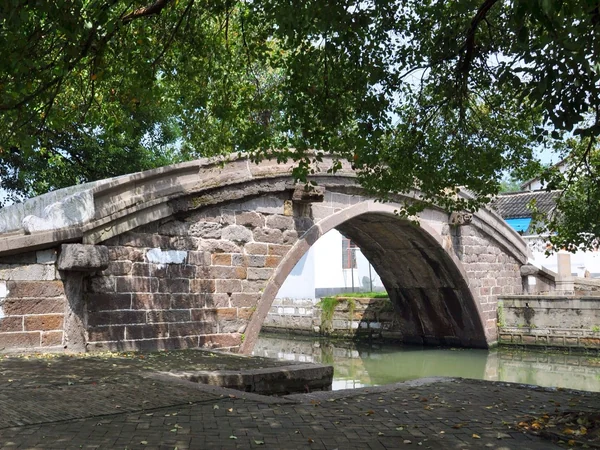
Best for: repeat visitors, bridge details and a slower Qingpu day Jinze sits in western Shanghai's Qingpu District but receives far fewer checklist visitors than Zhujiajiao. Its appeal is dispersed across old bridges, short canal edges, small religious sites and ordinary streets rather than concentrated in one theatrical centre. Slow looking pays off: Puji Bridge and other surviving crossings show different spans, materials and approaches. Photograph the bridge in relation to banks and houses, not as a detached ornament; its value comes from connecting the settlement.
Expect less packaging
A quieter town may also mean fewer English signs, fewer fixed visitor services and no guaranteed boat experience. That is not a defect if the purpose is walking, but it requires more self-sufficient navigation. Trade-off: build in a transport buffer and protect residents' privacy. Jinze works poorly as a rushed photo stop squeezed between two large ticketed attractions.
Best for: private gardens and a town visit paired with a hill or lake route West of central Suzhou near the Taihu landscape, Mudu combines waterways and commercial streets with a notable group of private gardens. Yan's Garden and Hongyin Mountain Villa shift attention from postcard bridges to the way owners organized halls, courtyards, rocks, planting and borrowed scenery.
Build the day around one or two interiors rather than counting every named attraction. Shantang Street provides the public spine, while nearby hills make Mudu particularly logical for travellers already exploring western Suzhou.
Trade-off Some historic compounds operate as separate attractions and renovation can close individual rooms. Confirm the current ticket scope; “old town” entry does not always mean every garden is included.

How to choose among all nine: pick one famous town for a first visit—Zhouzhuang, Wuzhen, Tongli or Zhujiajiao—then choose a second only if it offers a genuine contrast such as Nanxun's merchant architecture, Jinze's quiet bridges or Mudu's gardens. One unhurried town usually reveals more than three hurried entrances.

9 Days Best Scenery Trip Around Shanghai
Shanghai, Tongli Water Town, Suzhou, Hangzhou, Mt. Huangshan
Editorial accountability
Hu Lei, CEO. The named owner is responsible for travel-planning accuracy and escalation of time-sensitive checks.
Yuntian Travel (Yunnan) Group is identified in its corporate profile as a licensed professional inbound travel service provider based in Kunming, China. Registration and travel-service documents can be requested before booking.
Page-specific references where cited, official destination, transport and entry notices, YUNSKY route-planning records, and direct provider confirmation before a booking is finalized.
Content is reviewed when rules, transport, access, pricing or route conditions change. Final availability and operating details are reconfirmed for each traveler’s dates.
Quality review: Page updated: