Your China & Yunnan Travel Experts

Top 5 Famous Buddhist Mountain in China

Top 5 famous Buddhist Mountains listed the
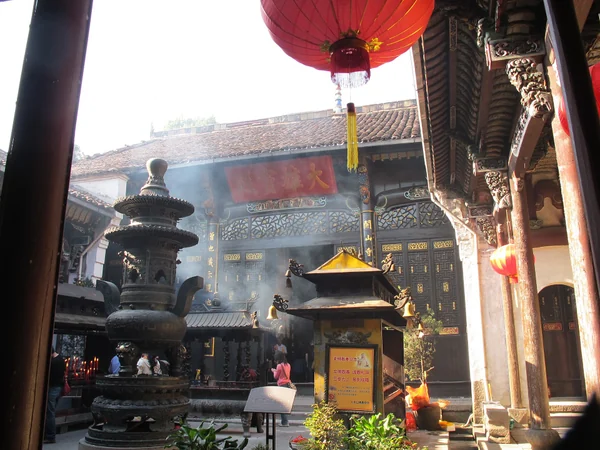
A Buddhist temple surrounded by a dramatic Chinese mountain landscape 

Mount Wutai

Mount Wutai China's Buddhist mountains combine pilgrimage, monastic history and dramatic landscapes, but they are geographically far apart. Mount Wutai, Putuo, Emei and Jiuhua are traditionally associated with four bodhisattvas; Fanjingshan is included here for its Buddhist heritage and exceptional natural setting. Choose one or two that fit the wider route instead of treating the five as a single circuit. Weather, cableways, road controls and temple access can change, so confirm local conditions. The Buddhism in China guide explains the traditions behind these places.
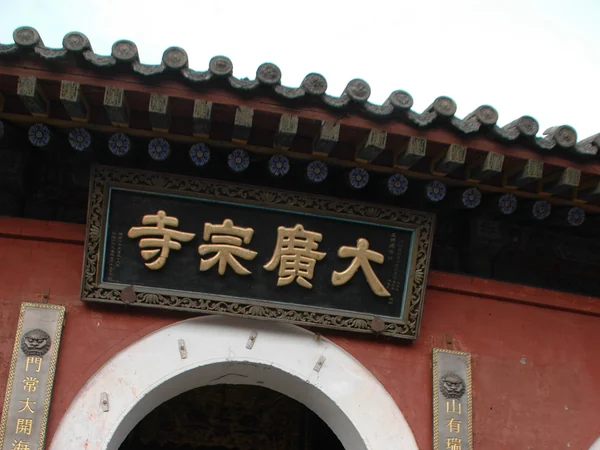
 
Mount Wutai in Shanxi is associated with Manjusri and contains temples across a high plateau. Taihuai is the usual visitor base, while outer peaks demand more time and suitable weather. Summer is popular because the plateau is cooler than surrounding lowlands; winters can be severe. Combine Wutai with Shanxi's wooden temples or Datong only after allowing realistic mountain-road travel.
Temple roofs across the high plateau of Mount Wutai

Mount Putuo

Mount Putuo Mount Putuo occupies an island in Zhejiang's Zhoushan archipelago and is associated with Guanyin. Its coastal paths, temples and sea views create a gentler visual character than an inland high mountain, but ferry logistics introduce weather risk. Stay overnight if possible, avoid relying on the last ferry and expect heavier visitation on weekends and major Buddhist dates.
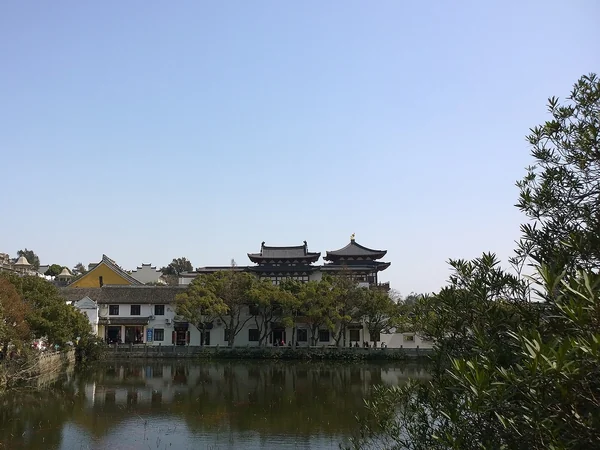
A temple and coastal scenery on Mount Putuo island


Mount Emei

Mount Emei in Sichuan is associated with Samantabhadra. The route links forest temples, steep paths and the Golden Summit, with buses and cableways forming part of most short visits. Elevation changes can produce fog, rain or cold even when lowland Leshan is warm. Emei pairs naturally with the Leshan Giant Buddha.
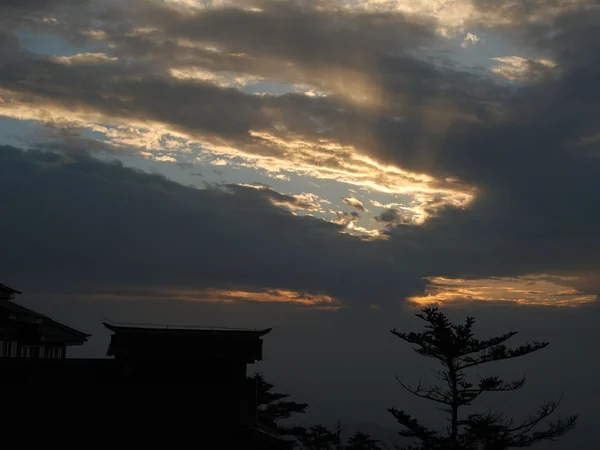
 
Spring and autumn often offer comfortable lower-mountain walking, while summer rain and winter ice require more preparation. Macaques are wildlife: keep food packed away, follow staff instructions and do not provoke or feed them.

Clouds and temple architecture at Mount Emei’s Golden Summit


Mount Jiuhua

Mount Jiuhua in Anhui is associated with Ksitigarbha. Temples, villages and peaks are distributed across a broad scenic area, so accommodation and shuttle planning matter. It suits travelers who want a lived-in mountain pilgrimage landscape rather than one landmark. Combine it with southern Anhui only if transfer time fits the itinerary.
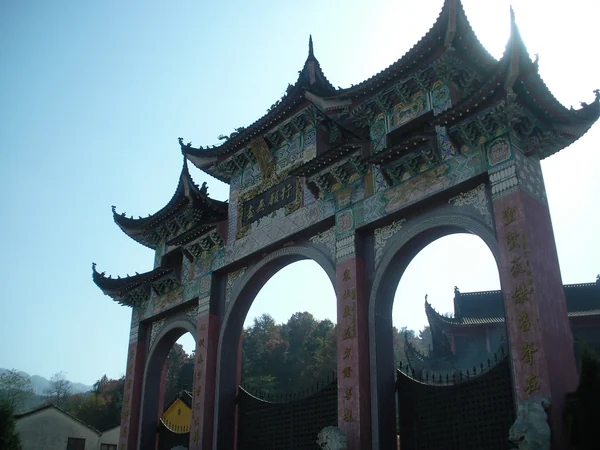
 
Jiuhua rewards slow travel: early and late hours can reveal the rhythm of temple life, while steep paths and seasonal crowds make a rushed day trip less satisfying.
Buddhist temples among the green peaks of Mount Jiuhua

Mount Fanjing

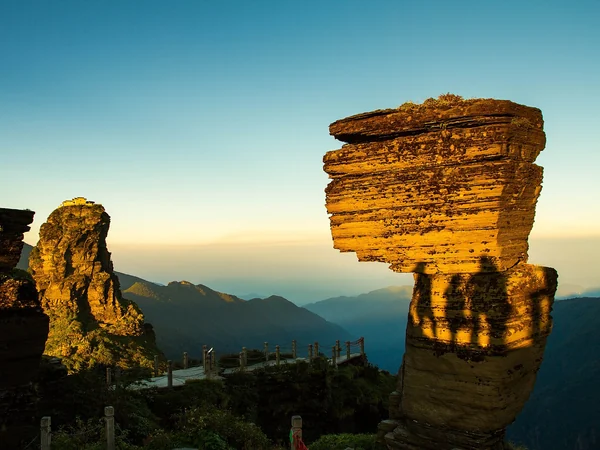
Mount Fanjing Fanjingshan in Guizhou is both a Buddhist cultural landscape and a biodiversity-rich mountain environment. Its famous rock formations and summit temples require steep stairs after shuttle and cable-car segments. Weather can close upper routes with little notice, so keep a flexible day and do not assume summit visibility.
 
Fanjingshan is less directly connected to China's traditional four-bodhisattva mountain system than Wutai, Putuo, Emei and Jiuhua. It belongs in this comparison because travelers commonly evaluate it as a Buddhist mountain destination. Protect the environment by staying on paths and following current capacity controls.
The Red Clouds Golden Summit rising above Fanjingshan in Guizhou

Open WhatsApp chat with YunSky Travel