Your China & Yunnan Travel Experts


Observation and beacon sites predate the brick walls familiar around Beijing. Early states used elevated points to watch routes and pass warnings, while later dynasties integrated towers into longer frontier systems. “Watchtower,” “enemy tower” and “beacon tower” are often used interchangeably in tourism, but their structures and principal functions were not always the same.
During the Ming dynasty, commanders including Qi Jiguang strengthened northern defenses with walls, passes, garrisons and numerous towers. Placement responded to terrain and military need rather than one fixed interval. To understand the network beyond individual buildings, see how the Great Wall was defended.
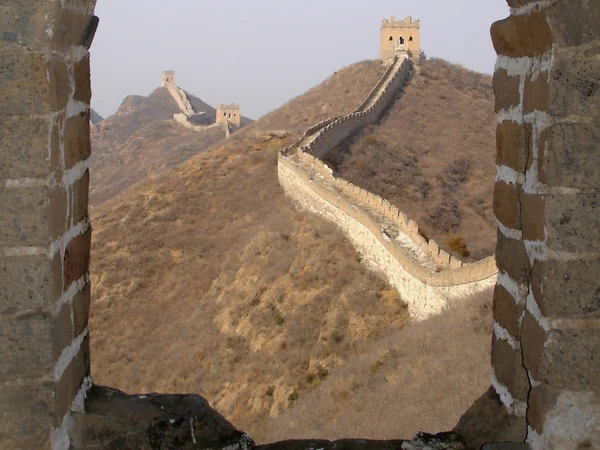
Some towers were solid signaling platforms; others contained rooms, stairs, firing openings or roof-level positions. Masonry, shape and internal arrangement differ by region and date. A multi-level Ming tower might shelter troops and supplies below while providing observation above, but not every surviving tower had three floors or artillery.
High ground, passes, bends and broad sightlines were valuable because signals had to reach the next post. Terrain could place towers close together on a broken ridge or farther apart across open country. Visitors can read the landscape by looking for visual links among towers, passes and valleys rather than expecting evenly spaced architecture.
Smoke was useful in daylight and fire at night, sometimes supplemented by flags, drums, guns or other agreed signs. A tower did not send one message across the entire Wall. Relays moved information between local posts and toward command centers, while riders or written reports could add detail.
Signal codes varied by dynasty, frontier command and period. Modern summaries that assign one universal number of smoke columns to an exact enemy force oversimplify the evidence. The essential point is that a recognized pattern communicated urgency faster than a messenger alone.
Hollow towers could hold weapons, grain, fuel and other supplies, but garrison life also depended on forts, barracks and villages away from the wall line. Merchants normally crossed through controlled gates and passes; a combat tower should not be described as a general roadside hostel.
Shelter from wind and rain mattered during patrols, yet smoke, crowding and limited water made towers austere places. Their usefulness came from location and connection to a staffed system, not comfort.
The Chinese expression langyan, often translated as “wolf smoke,” appears in literature, but the popular claim that wolf dung always produced straight, windproof smoke should not be treated as a universal technical fact. Garrisons used combustible material available locally, and historians interpret specific recipes from period records rather than folklore alone.
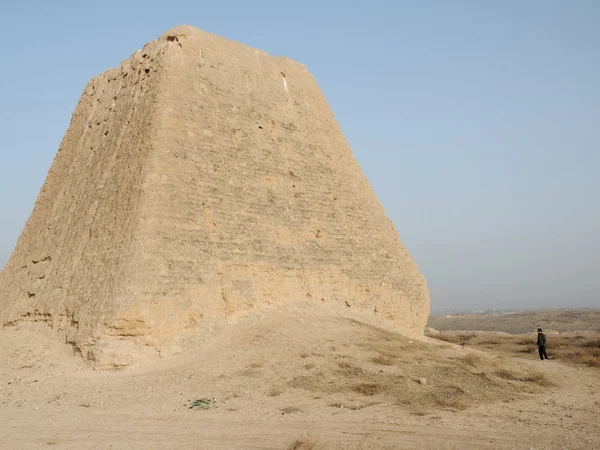
Towers may be square, rectangular, round or adapted to an irregular ridge. Brick, dressed stone, rubble and compacted earth all appear. Differences help visitors compare construction periods and regional resources, although visual appearance alone cannot securely date a ruin.
Distance also varies. A narrow pass might require dense coverage, while open terrain could rely on longer sightlines and detached beacon sites.
A first visit can combine a restored tower interior with a broad landscape view. Useful stops include: Juyongguan or Shanhaiguan for a fortified pass, a restored Beijing section for accessible tower forms, and a museum or interpretation center for maps and construction evidence. At Mutianyu or Jinshanling, compare tower spacing with the ridge; at arid western remains, look for earthwork and beacon-site adaptations. Use the Great Wall sections guide to choose a managed site, and do not enter closed towers or climb fragile unrestored masonry.
From $ 389
From $ 509

From on request
Editorial accountability
Hu Lei, CEO. The named owner is responsible for travel-planning accuracy and escalation of time-sensitive checks.
Yuntian Travel (Yunnan) Group is identified in its corporate profile as a licensed professional inbound travel service provider based in Kunming, China. Registration and travel-service documents can be requested before booking.
Page-specific references where cited, official destination, transport and entry notices, YUNSKY route-planning records, and direct provider confirmation before a booking is finalized.
Content is reviewed when rules, transport, access, pricing or route conditions change. Final availability and operating details are reconfirmed for each traveler’s dates.
Quality review: Page updated: