Your China & Yunnan Travel Experts


• Service: Passenger and freight railway; not every station handles passengers.
• Construction milestones:
• Route length: Approximately 1,956 km from Xining to Lhasa.
• Station count: Historical sources count many operational, technical and unstaffed stations. Do not use the total as a passenger-stop list.
• Main passenger hubs: Xining, Golmud, Nagqu and Lhasa, with additional stops depending on the service.
• Operator and timetable: China Railway operations; verify the current train number, origin, boarding station and stop pattern through the official ticketing channel.
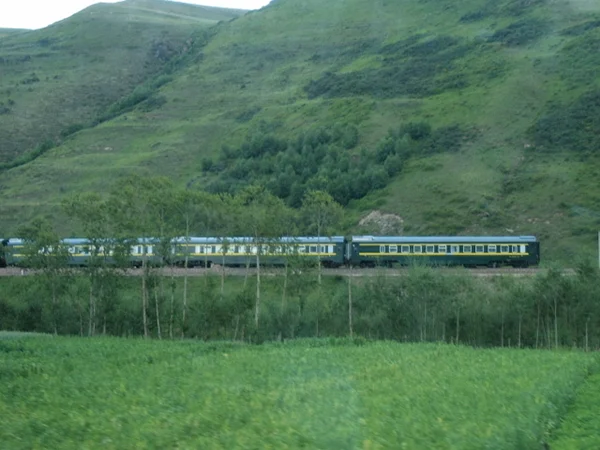
From Xining the line crosses the northeastern plateau toward Golmud, then climbs onto the highest section before descending through Nagqu and the Lhasa River valley. The railway is an access corridor, not automatic authorization to enter Tibet: foreign travelers must coordinate permits and itinerary details before ticketing.
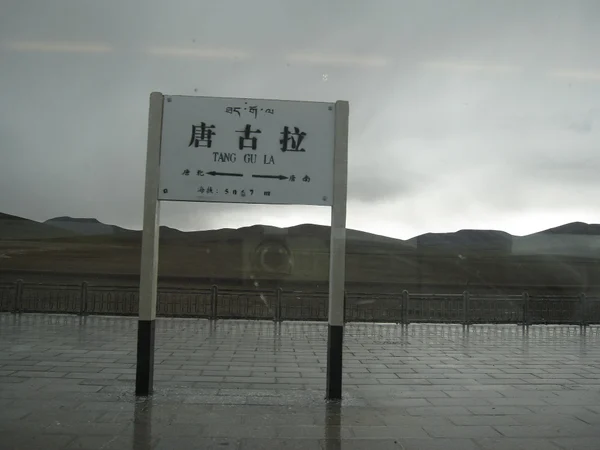
The track reaches about 5,072 metres near Tanggula and runs for long distances above 4,000 metres. Low oxygen affects passengers even though the train uses plateau-adapted cars. Oxygen systems support safety but do not replace gradual acclimatization or medical judgment.
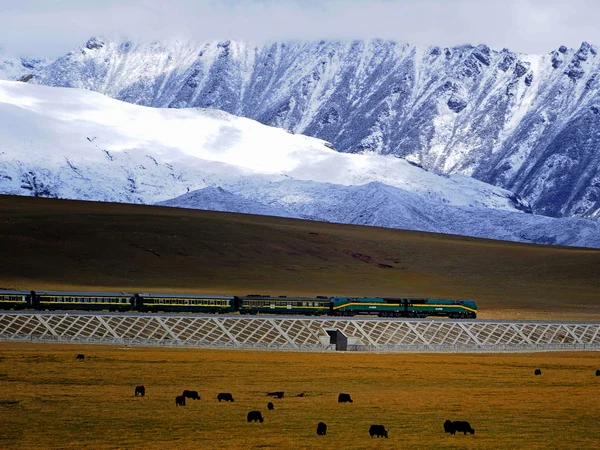
Construction-era totals for investment, open stations, bridge counts or “world records” should be dated rather than repeated as live planning data. For the engineering chronology, use the Qinghai–Tibet Railway project guide.
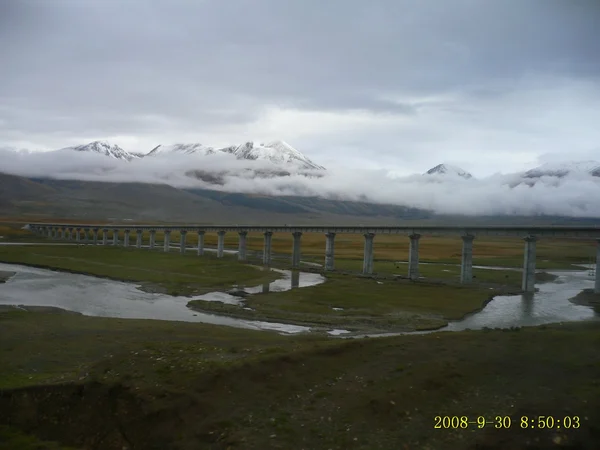
Core planning hubs are Xining for plateau entry and connections, Golmud before the highest section, Nagqu for northern Tibet services, and Lhasa as the principal terminal. Some named stations in historical lists are closed, freight-only, unstaffed or bypassed by a particular train. Check the station guide and verification rules before arranging a transfer.
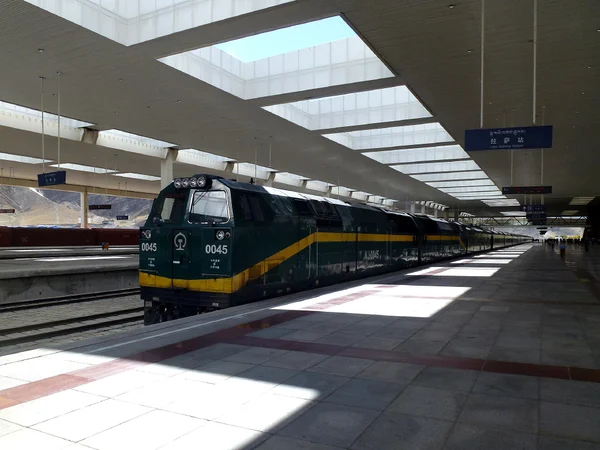
Lhasa Railway Station
Lhasa station lies south of the river in the Liuwu area at roughly 3,650 metres. Arrival still involves high-altitude exposure. Keep the first day light, pre-arrange the approved pickup and keep passport, permit and ticket details consistent.
Tongtian and upper Yangtze headwaters
Nagqu grasslands
South of Tanggula, the train enters the northern Tibet plateau around Nagqu. Pastoral land and wetlands are inhabited working landscapes. Avoid language that treats them as empty wilderness, and do not promise wildlife sightings.
Nyenchen Tanglha
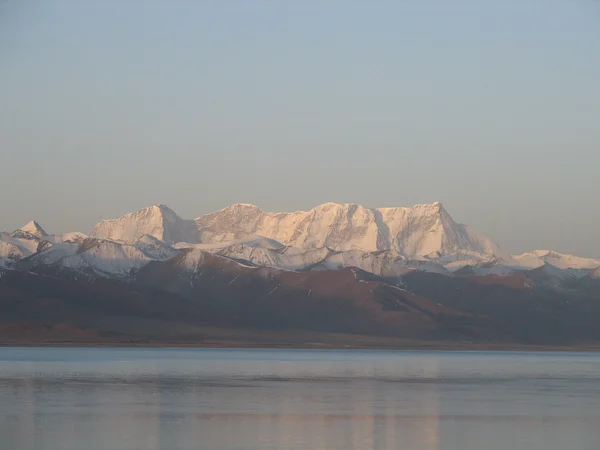
The corridor runs beside the Nyenchen Tanglha range. Mountain views can appear west of the corridor, but exact peaks are difficult to identify without location data and clear weather.
Yangbajing and Lhasa valley
As elevation gradually falls toward Lhasa, settlements, river terraces and vegetation become more visible. Use scenery as context, not a guarantee when selecting a train.
Editorial accountability
Hu Lei, CEO. The named owner is responsible for travel-planning accuracy and escalation of time-sensitive checks.
Yuntian Travel (Yunnan) Group is identified in its corporate profile as a licensed professional inbound travel service provider based in Kunming, China. Registration and travel-service documents can be requested before booking.
Page-specific references where cited, official destination, transport and entry notices, YUNSKY route-planning records, and direct provider confirmation before a booking is finalized.
Content is reviewed when rules, transport, access, pricing or route conditions change. Final availability and operating details are reconfirmed for each traveler’s dates.
Quality review: Page updated: