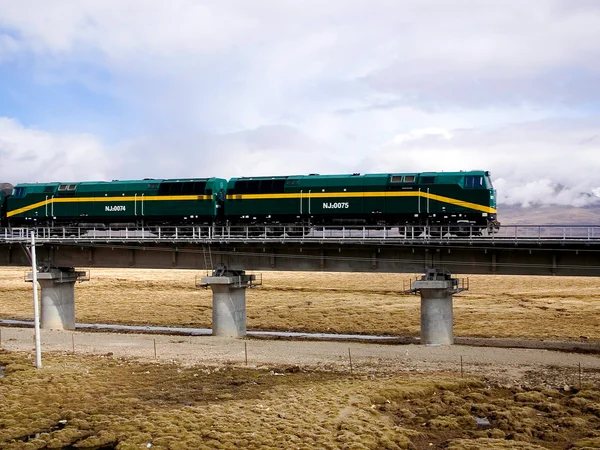
The Qinghai–Tibet train is a practical high-altitude journey as well as a scenic one. The railway runs from Xining to Lhasa via Golmud and the plateau, and through trains may originate in other Chinese cities. Train number, consist, departure station and onboard service can change, so this page explains what travelers should verify rather than promising one permanent carriage layout. Reviewed August 29, 2026. Start with the
Qinghai–Tibet Railway stations to understand the route.
Railway and Carriage Technology
- The Xining–Golmud section opened earlier, while the 1,142-kilometre Golmud–Lhasa section entered full operation in 2006. The line crosses permafrost terrain and reaches the Tanggula area above 5,000 metres. Engineering measures include elevated track, embankment treatment, monitoring and protected wildlife passages; maintenance is continuous because frozen ground responds to temperature and moisture.
- Passenger cars used on the plateau section are designed for cold, dust and low oxygen. Chinese, Tibetan and often English signage helps with basic wayfinding, but announcements and service details vary. Ask staff if a safety instruction is unclear.
- Operating speed and locomotive type differ by section and service. Old statements assigning one foreign locomotive or one exact speed to every passenger train are no longer a reliable planning aid.
Health and Permit Preparation
Do not rely on an old claim that every traveler must complete a specific paper “health registration card.” Ticketing and railway procedures change. What remains essential is personal medical preparation: discuss heart, lung, sleep or other relevant conditions with a clinician familiar with altitude, carry prescribed medication correctly and ensure the Tibet permit details match the booking process.
Oxygen Systems Are Emergency Support, Not Acclimatization
Plateau passenger cars are designed with oxygen-support systems, which may include cabin enrichment and individual outlets. Availability and instructions must be confirmed with train staff. Oxygen can support a passenger who becomes unwell, but it does not make rapid ascent risk-free or guarantee that symptoms are harmless.
Seat and Berth Choices
There is no permanent 936-passenger layout for every service. Carriage numbers and allocation vary by train and date.
|
Soft sleeper
|
Usually four berths in a lockable compartment; privacy and electrical outlets vary by carriage.
|
|
Hard sleeper
|
Open bays commonly arranged in six berths; upper berths have less headroom and accessibility.
|
|
Hard seat
|
Upright seating for the longest journey; availability depends on the train and may be tiring at altitude.
|
Large windows provide wide plateau views, but condensation, reflections, darkness and the assigned berth can affect photography. Keep devices and faces away from glass and never obstruct aisles.
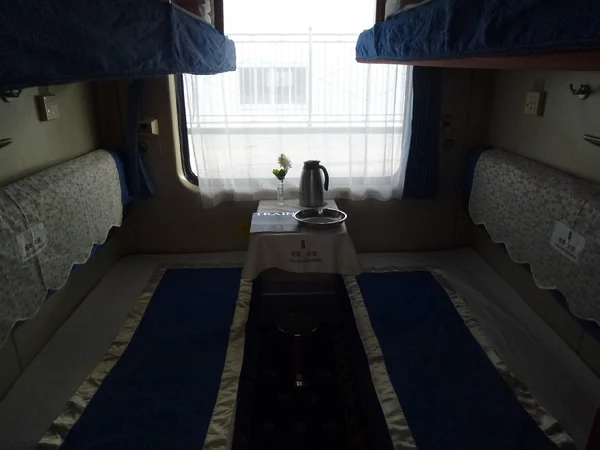
Some soft-sleeper compartments include screens or updated charging facilities; others do not. Bring a compliant power bank and do not overload sockets.
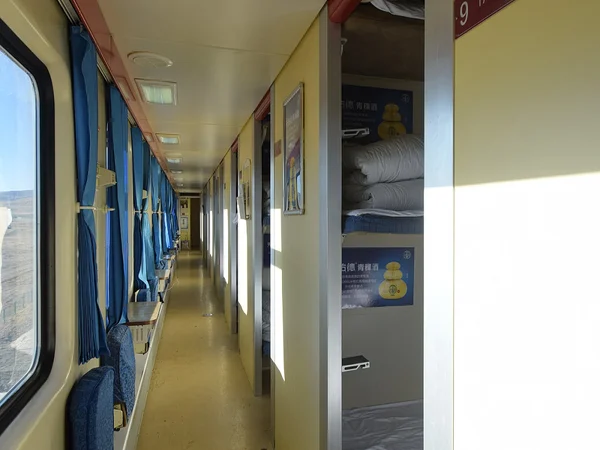
Washrooms and hot-water points are shared. Availability can be interrupted around stations or servicing, so carry tissues, sanitizer and a small personal water supply.
Seven Practical Rules for the Tibet Train
1. Treat chest pain, severe breathlessness, confusion or loss of coordination as an emergency. Inform staff immediately; do not wait for the next scenic stop.
2. Book the actual service first, then check the current
Qinghai–Tibet train schedule. Ticket release rules, through-train origins and boarding stations can change.
3. Keep the permit, passport and ticket details consistent and accessible for checks. Oxygen equipment should be used only according to crew or medical guidance.
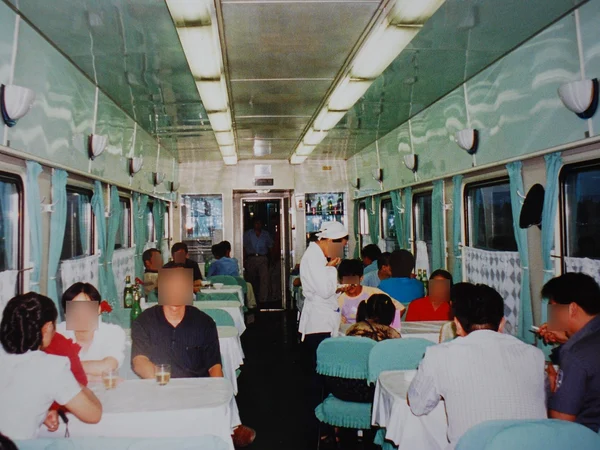
4. Bring food suitable for your dietary needs, while recognizing that security and railway rules govern what may be carried. Dining-car menus, opening times and payment methods are not guaranteed.
5. Smoking is prohibited where posted and is especially dangerous around oxygen equipment. Never tamper with outlets, alarms or ventilation.
6. Use hot water carefully, keep luggage within the assigned space, reduce noise at night and take all rubbish to the designated collection point.
7. The most photogenic plateau sections may pass at night or in poor weather. Use the railway scenery guide to identify landscapes, but choose a train for schedule and berth suitability rather than a guaranteed view.

 Ask a Question