Your China & Yunnan Travel Experts


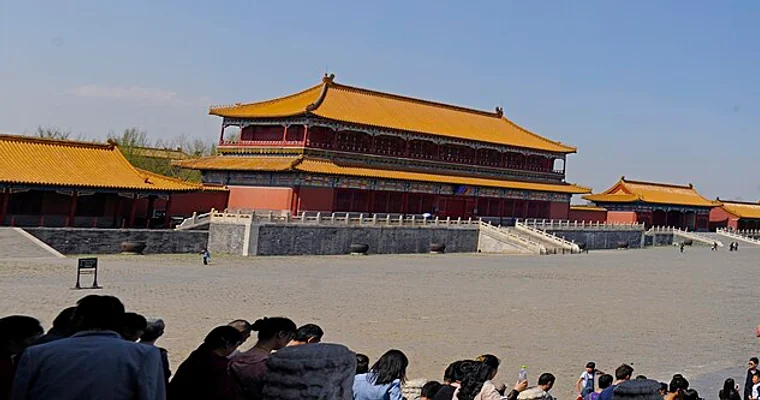
The People's Republic of China, commonly called China, occupies a vast part of East Asia. Its landscapes range from high plateaus and deserts to fertile river basins and a long Pacific coastline. At the end of 2025, the mainland national population was 1.40489 billion. China has 23 provinces, five autonomous regions, four municipalities and two special administrative regions. For trip planning, start with the country's major China destinations, then narrow the route by season, travel time and personal interests.
How China's scale changes trip planning
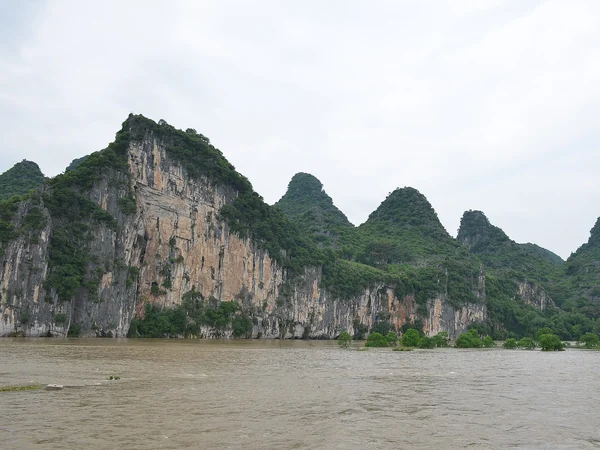
China is better approached as a group of connected regions than as one compact sightseeing destination. Beijing and the North China Plain present a different climate, food tradition and historical landscape from the lower Yangtze around Shanghai and Hangzhou. The southwest adds karst valleys, highlands and ethnic diversity, while the northwest is shaped by desert corridors and long overland distances. A route that combines two or three of these regions can be coherent; trying to sample all of them in one short visit usually creates more transit than discovery.
Season matters at regional level. Spring may be mild in the lower Yangtze while northern cities remain cool; summer rain, heat and typhoons affect places differently; autumn demand rises around national holidays; winter can be comfortable in parts of Yunnan but severe in the northeast and high country. Travelers should compare the exact cities, elevation and travel dates instead of relying on one national weather label.
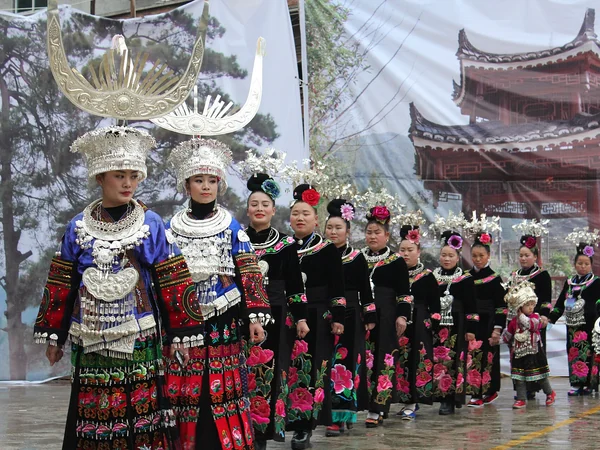
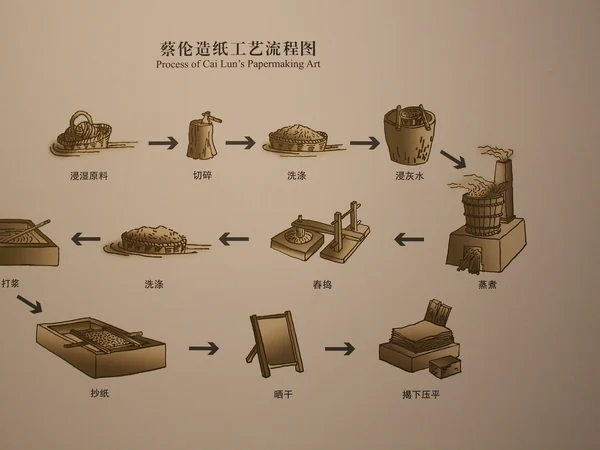
Chinese civilization developed over thousands of years around communities linked by the Yellow and Yangtze river systems. Written traditions, philosophy, statecraft, craft, food and regional customs evolved through many dynasties and continue to shape everyday life. Standard Mandarin is the official spoken language, while local dialects and the languages of ethnic minority communities add considerable diversity. First-time visitors who prefer a set departure and shared logistics can compare China group tours with private itineraries before choosing a travel style.
Culture is local, layered and still changing
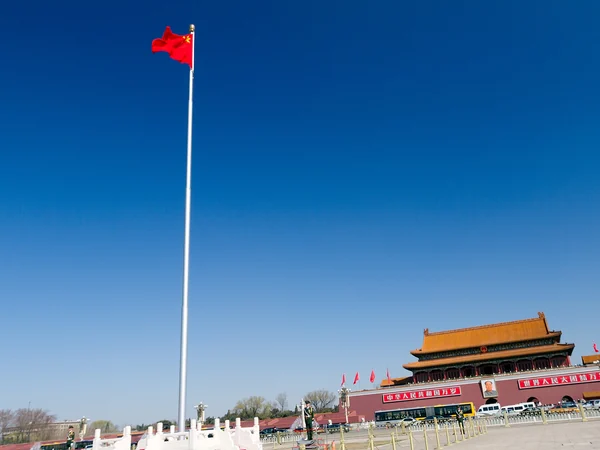
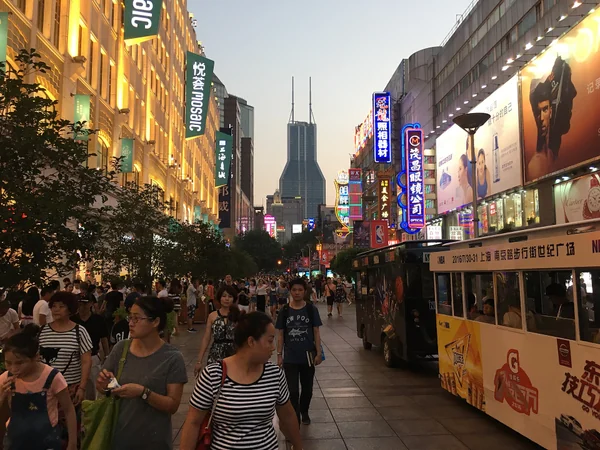
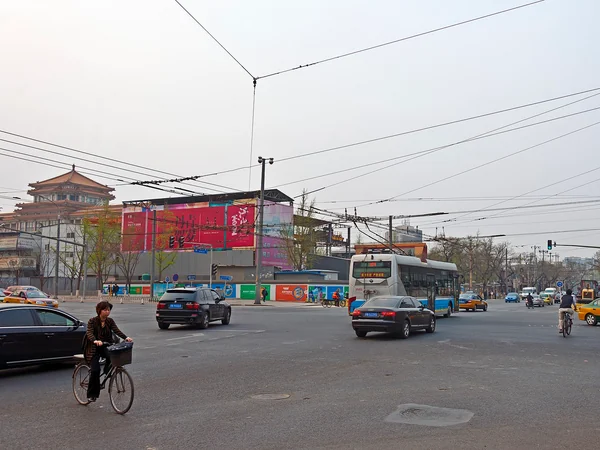
Historic temples, imperial sites and museums reveal only part of contemporary China. Neighborhood markets, university districts, new transport hubs, village landscapes and regional kitchens show how people live now. Customs also vary by age, community and setting. A gesture that is appropriate at a family meal may not apply in a monastery, mosque, museum or formal business meeting. Asking before photographing people, following posted rules and allowing local hosts to explain a tradition are more reliable than treating etiquette as a fixed national checklist.
Language planning can be practical without becoming intimidating. Save destinations in Chinese characters, keep hotel details available offline and confirm which station or terminal is intended. In major cities, transport signs are often bilingual; in rural areas, a translated address and a screenshot of the destination can be more useful than spoken English.
China covers about 9.6 million square kilometers and shares land borders with 14 countries. Because distances are substantial, a well-paced itinerary normally concentrates on a few connected regions rather than trying to see the entire country in one visit. A classic first journey often links Beijing, Xi'an and Shanghai, while longer routes may add Guilin, the Yangtze, Yunnan, Sichuan or Tibet. The 11-day China experience tour shows how several major highlights can be combined without changing the practical sequence of travel.
A realistic first-trip framework
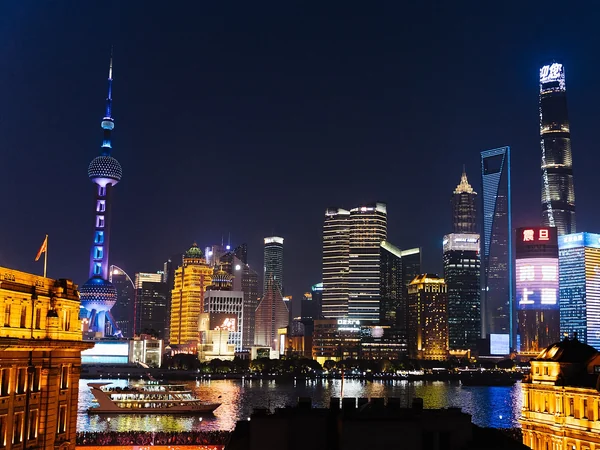
Begin with the experiences that matter most—imperial history, landscapes, food, rail travel, family activities, photography or religious heritage—then choose stops that form a workable line. Beijing, Xi'an and Shanghai are popular together because flights and high-speed rail make the sequence understandable, not because they represent every side of the country. Adding Guilin, Chengdu, Yunnan or the Yangtze is most rewarding when it replaces a rushed stop rather than being squeezed into an already full schedule.
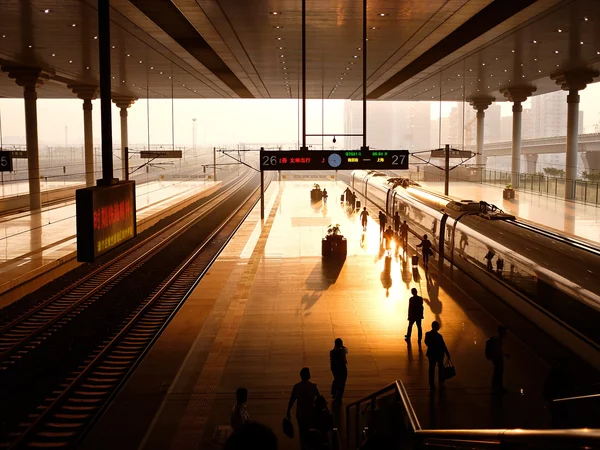
Allow for hotel check-in, station security, transfers across large cities and timed-entry attractions. High-speed rail is excellent between many major centers, but a station name may refer to a suburban terminal far from the historic core. Flights can save distance yet lose time to airport transfers and weather disruption. Travelers with mobility, dietary or medical requirements should communicate them before booking, verify step-free access for each major stop and retain a buffer day around any connection that cannot be missed.
Dynamic details—including entry rules, holiday calendars, attraction reservations and payment options—should be checked again shortly before departure. The strongest itinerary combines stable geographic logic with current operational information.
Editorial accountability
Hu Lei, CEO. The named owner is responsible for travel-planning accuracy and escalation of time-sensitive checks.
Yuntian Travel (Yunnan) Group is identified in its corporate profile as a licensed professional inbound travel service provider based in Kunming, China. Registration and travel-service documents can be requested before booking.
Page-specific references where cited, official destination, transport and entry notices, YUNSKY route-planning records, and direct provider confirmation before a booking is finalized.
Content is reviewed when rules, transport, access, pricing or route conditions change. Final availability and operating details are reconfirmed for each traveler’s dates.
Quality review: Page updated: