Your China & Yunnan Travel Experts



Chinese New Year customs change as housing, work schedules, safety rules and family structures change. “Disappearing” should not mean extinct: some practices remain strong in particular regions or households, while others survive in symbolic or public forms.
Use this list as interpretation, then consult the Chinese New Year guide for the full festival sequence.
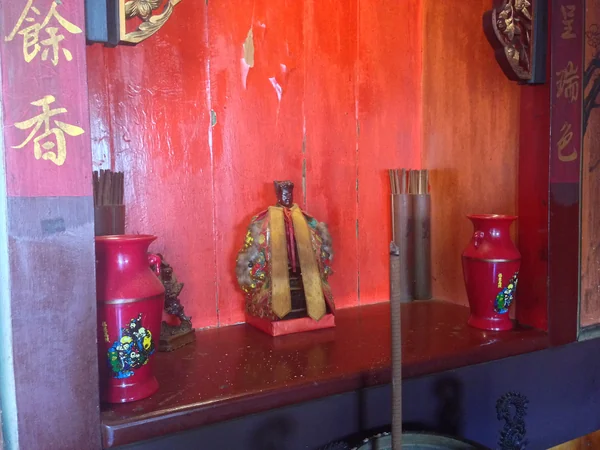
A late-year rite connected with the Kitchen God was traditionally understood as sending a household report to heaven.
Today, observance varies widely and may be replaced by a simple offering, seasonal image or no ritual at all; visitors should not assume a household altar is open for photography.
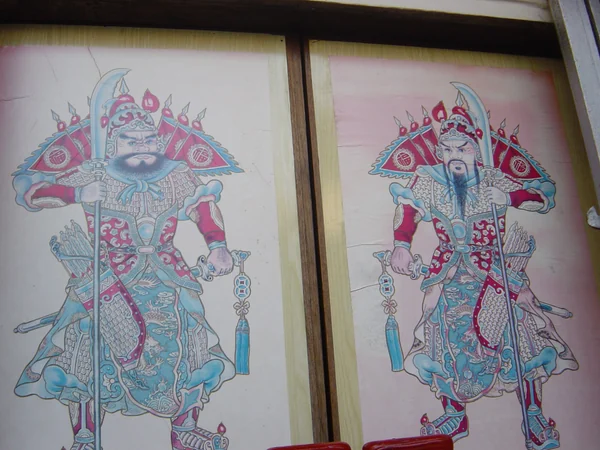
2. Posting Door-God Images
Apartment living and modern doors have changed the practice, but prints remain visible in markets, temples and heritage settings.
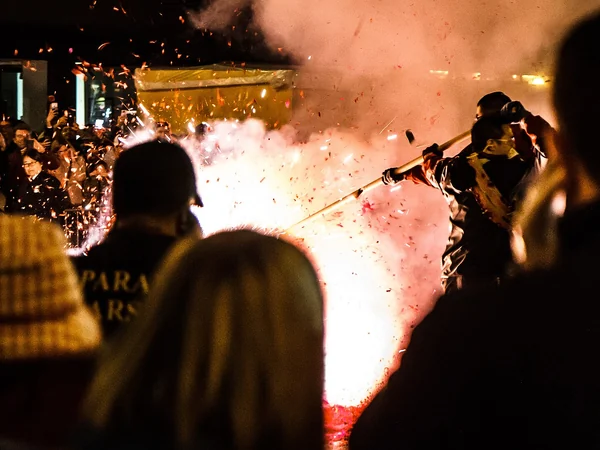
3. Opening-the-Door Firecrackers
Urban fire, air-quality and injury concerns have led many places to restrict or prohibit private fireworks; local rules take priority.
4. Kowtowing to Elders
5. Avoiding Sweeping on New Year's Day
Some households postpone cleaning briefly, while others handle ordinary needs without observing the taboo literally.
6. Staying Home on the Third Day
This is not a nationwide travel rule; follow the host's plan rather than a generic calendar.
A later rite symbolically receives the Kitchen God back into the household.
The practice is now more likely to be encountered through local folk interpretation than in every urban home.
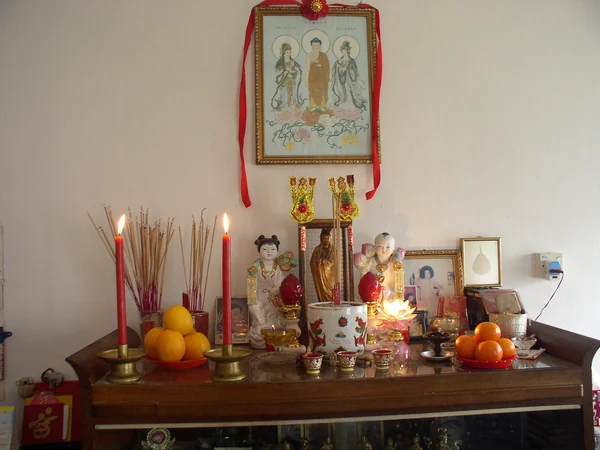
8. Offerings to the God of Wealth
Businesses and households in some regions prepare incense, food or symbolic offerings for prosperity, while commercial displays may borrow the imagery without following a religious rite.
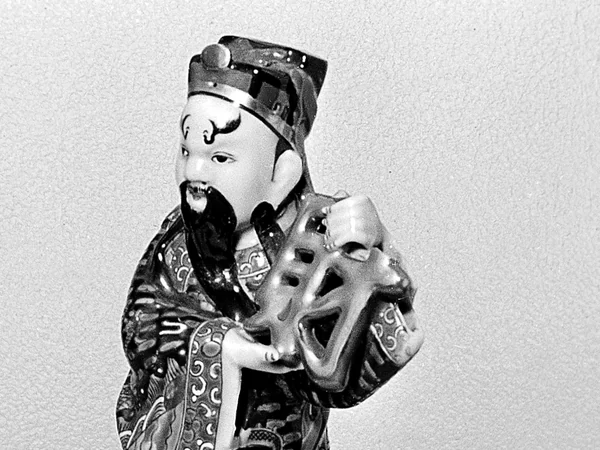
Cleaning or discarding symbolic items on a designated day can represent leaving hardship behind.
Dates and actions differ in local accounts, so avoid presenting one version as universal.
Public temple fairs, museums and community programs are more appropriate visitor settings than uninvited observation of private rites.
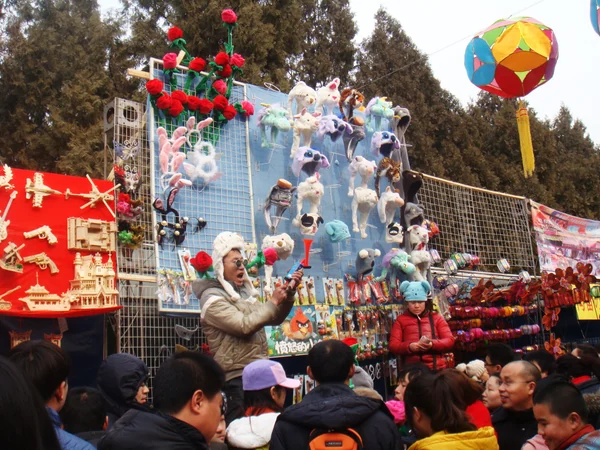
Check schedules and photography rules because access can change each year.
Editorial accountability
Hu Lei, CEO. The named owner is responsible for travel-planning accuracy and escalation of time-sensitive checks.
Yuntian Travel (Yunnan) Group is identified in its corporate profile as a licensed professional inbound travel service provider based in Kunming, China. Registration and travel-service documents can be requested before booking.
Page-specific references where cited, official destination, transport and entry notices, YUNSKY route-planning records, and direct provider confirmation before a booking is finalized.
Content is reviewed when rules, transport, access, pricing or route conditions change. Final availability and operating details are reconfirmed for each traveler’s dates.
Quality review: Page updated: