Qigong is an umbrella term for Chinese practices that coordinate posture or movement, breathing and focused attention. Some systems are active and flowing; others use standing, seated or lying positions. Their goals and cultural settings differ, including health exercise, martial arts conditioning, meditation and practices connected with
traditional Chinese medicine. “Qi” has several meanings in Chinese thought and medicine, but a visitor does not need to accept a literal biomedical explanation to learn the movements safely.
Historical context
Breathing, movement and self-cultivation practices appear across a long span of Chinese history. Texts, medical traditions, Daoist communities and martial arts all contributed to methods now grouped as qigong. The modern label covers this diverse inheritance; it does not mean that every class has been transmitted unchanged from antiquity. Five Animal Frolics is traditionally associated with the physician Hua Tuo, while present-day routines may be modern reconstructions or standardized health exercises.
Health evidence and appropriate expectations
Qigong is a form of low- to moderate-intensity physical activity for many participants. Research has examined possible effects on balance, mood, pain and quality of life, but study quality and conclusions vary by condition and practice. Evidence for one outcome cannot be transferred automatically to every illness or every style.
Qigong should not replace diagnosis or treatment from a qualified healthcare professional. Claims that it cures cancer, reverses ageing, guarantees longevity or eliminates the need for medicine are not supported and should be treated as warning signs when choosing an instructor.
Gentle practice is generally considered safe for many people when movements are adapted, but dizziness, pain or breath-holding are reasons to stop and seek guidance. People who are pregnant, recovering from surgery or managing balance, heart, respiratory or joint conditions should ask an appropriate clinician about participation.
A group practising qigong with relaxed standing postures
A useful class prioritizes stable posture, comfortable breathing and gradual progression. It should allow rest and avoid pressuring beginners into extreme stances, prolonged breath retention or forceful hyperventilation.
Common forms of qigong practice
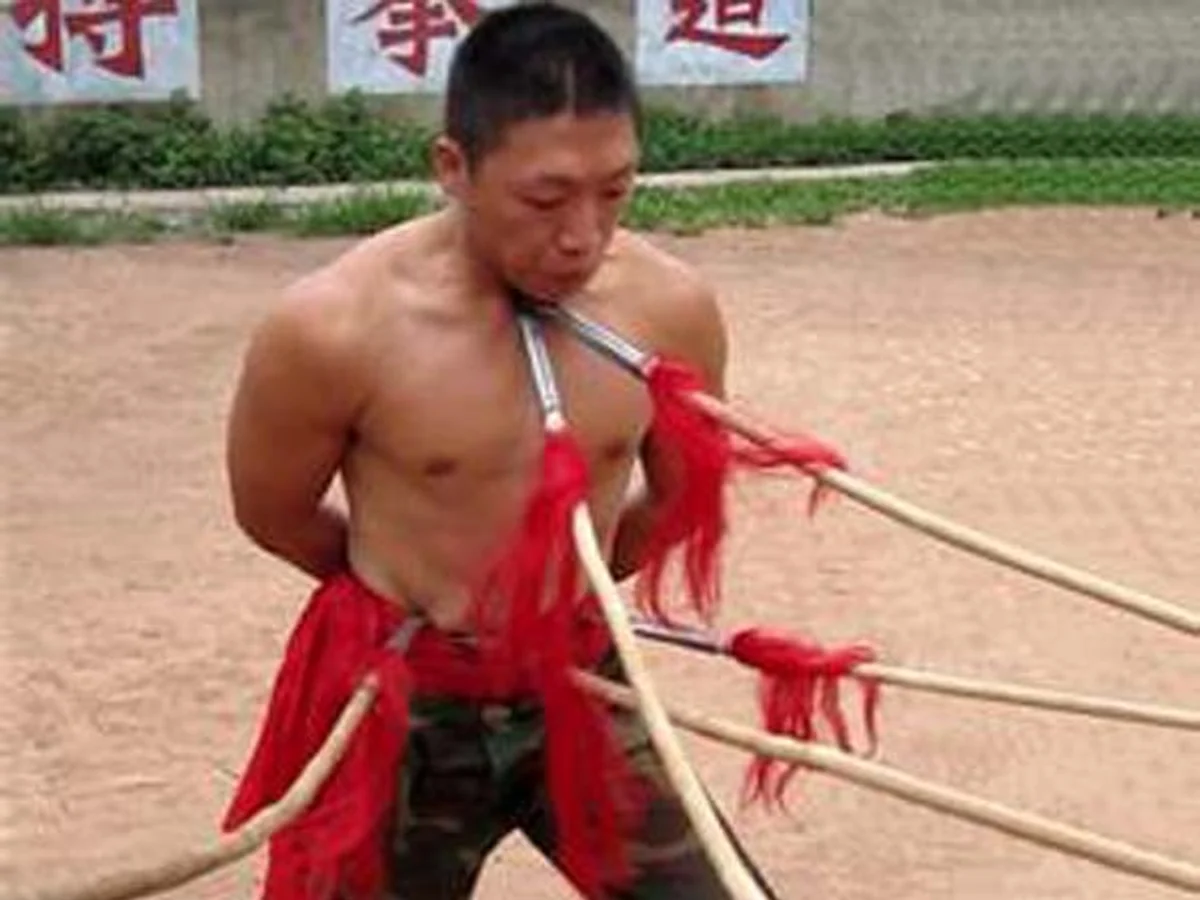
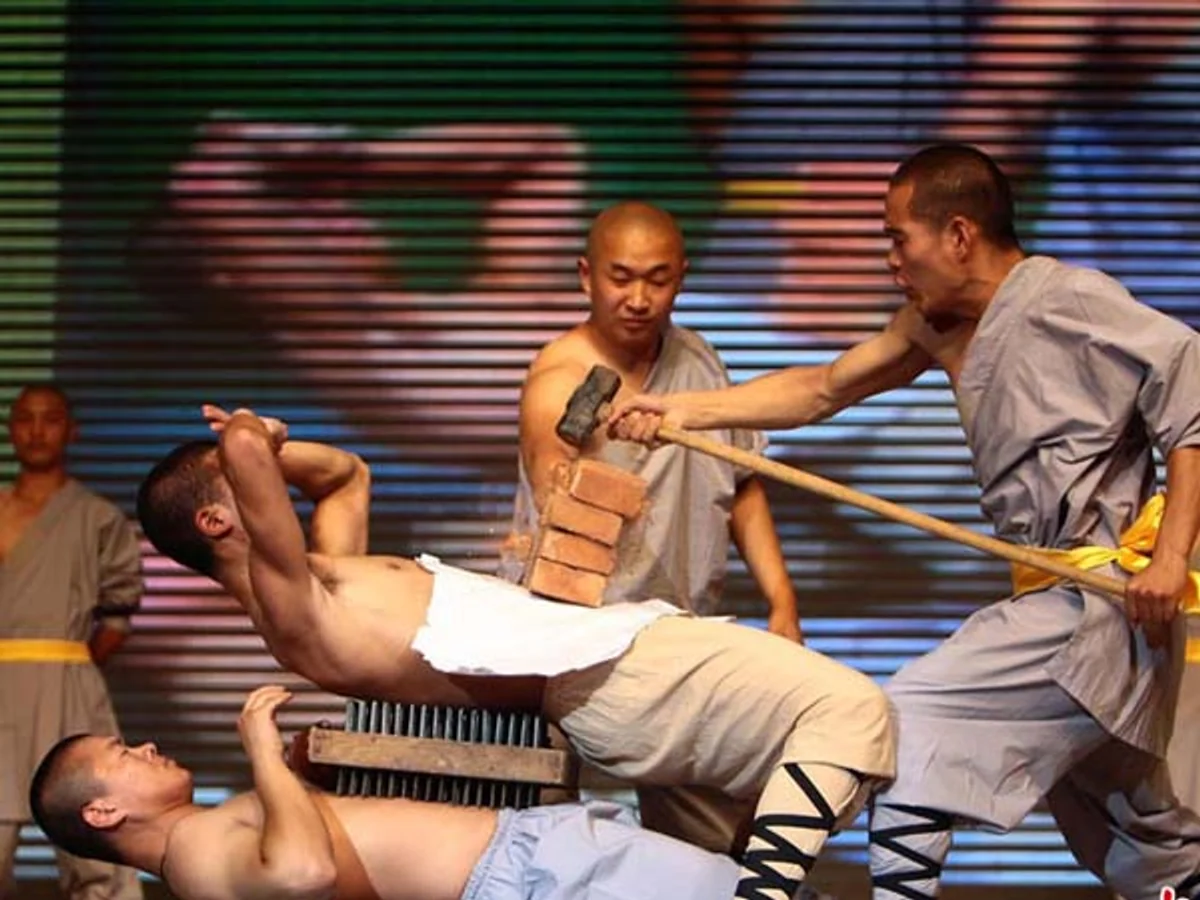
Dynamic qigong uses repeated or connected movements. Standing practice develops alignment and attention with limited visible motion. Seated or lying practice can reduce the balance demands, although it still needs clear instruction. Martial qigong may include conditioning and should not be confused with a gentle wellness class.
Whatever the posture— standing, walking, sitting or lying —the core task is coordinated attention rather than chasing unusual sensations. A teacher may use imagery or traditional terminology, but should also give practical instructions for joints, pace and breathing.
Joining a qigong session in China
Public-park practice is easy to observe in many cities, including
Beijing, but a group gathering in a park is not automatically a tourist class. Watch without blocking paths, ask before photographing and join only when invited.
For instruction, confirm the teacher, duration, language and physical level. A short introductory class can explain basic movement and etiquette; a medical claim requires a much higher standard of evidence. Travelers also comparing coordinated martial arts can read the
Tai Chi guide. Schedules and public access change, so verify the session close to the visit.