Your China & Yunnan Travel Experts



Date and Meaning of Double Ninth Festival
The Double Ninth Festival, or Chóngyáng, falls on the ninth day of the ninth month in the Chinese calendar. Traditional numerology associates nine with yang, giving the date its “double yang” name. The festival has a long literary history and today also emphasizes respect and care for older people. Its Gregorian date changes each year, and it is not a nationwide tourism event with one fixed program. A city may organize a community visit, health activity or autumn excursion, while many families mark the day privately.
China included Double Ninth customs in the first national list of intangible cultural heritage in 2006. Commemoration, outings and ancestor rites differ by community; the ethnic-group festivals guide provides wider regional context.
Customs of Double Ninth Festival
Enjoying the Autumn Landscape
Because Chongyang falls in autumn, family outings and views of seasonal color fit its calendar setting. Peak foliage varies with latitude, altitude and weather, so the festival date does not guarantee colorful leaves at every destination. Rural harvest scenes are working environments, not staged attractions; ask permission before entering fields or photographing residents.

Climbing High
Climbing a hill or tower is one of the best-known Chongyang customs. Modern participants may treat it as an autumn excursion, exercise or a wish for wellbeing. Choose a route suitable for older family members, check weather and allow time for rest. A cable car, city-wall walk or accessible viewpoint can preserve the idea of “ascending high” without demanding a strenuous mountain hike.
Appreciating Chrysanthemums
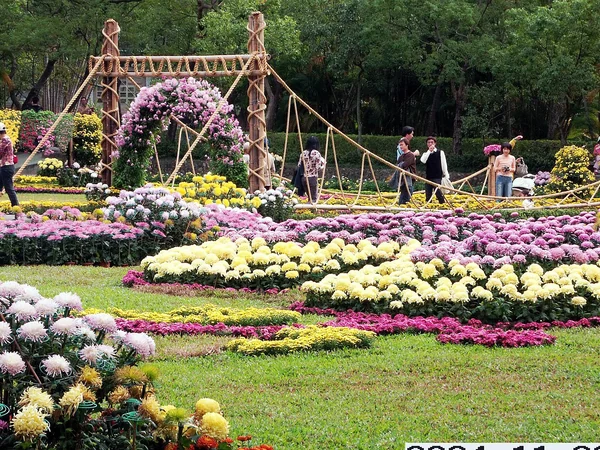
Chrysanthemums flower in autumn and appear frequently in Chongyang poetry, displays and drinks. A flower exhibition can offer accessible cultural context, but opening dates and ticketing need current confirmation.
Other customs include Chongyang cake, visits with older relatives and, in some regions, ancestor remembrance. The cake's name, gāo, sounds like the word for “high,” linking food with the theme of ascent. Recipes and decorations vary. Follow the traditional Chinese etiquette guide when joining a family visit, and never present a symbolic food, tea or wine as medical treatment.

Zhūyú is commonly identified with Cornus officinalis and appears in classical poetry about the festival. Historical customs include wearing or carrying the aromatic plant. Modern practice varies, so visitors are more likely to encounter it in literature, museums or curated programs. The Chinese agricultural calendar guide explains why the date moves each year.