Your China & Yunnan Travel Experts



Chinese New Year gifts express goodwill, but “taboo” lists are often more absolute than real life. Wordplay, funeral associations, family preference and regional custom can all matter; age and relationship matter too. The safest method is to ask a mutual friend or the recipient, choose a useful item in good condition and avoid creating an expensive obligation. This guide explains why ten categories may cause hesitation and how strong each caution is. Dates and festival context appear in our Chinese New Year guide.
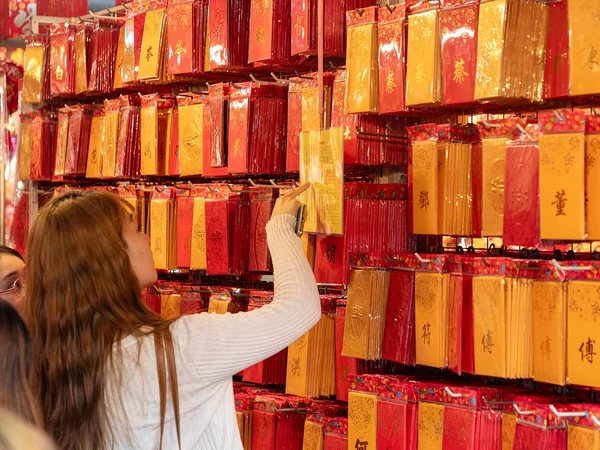
Giving a clock, sòng zhōng (送钟), sounds like the expression 送终 associated with attending to someone at life's end. The wordplay is widely cited, especially for older recipients. Watches may be interpreted differently, but do not assume. Choose another item unless the person specifically wants one.
The word for shoes, xié (鞋), sounds like 邪, “improper” or “evil,” in a common explanation. Some people also interpret footwear as enabling someone to walk away. These associations are not universal.
Shoes also require exact size and style, making them risky without a request. If the recipient has chosen a pair, preference is stronger evidence than a generic taboo list.
Four, sì (四), sounds similar to death, sǐ (死), in Mandarin and several Sinitic varieties. Some buildings and products avoid the number, although practice varies.
For a ceremonial gift, avoid a set of four when an equally natural alternative exists. Do not overcorrect by counting every small component; ask the host if quantity has special importance.
Mirror cautions are sometimes linked with folklore or feng-shui advice, but there is no single Chinese rule that every mirror attracts spirits. Treat supernatural claims as belief or story, not fact.
A mirror is fragile and personal in style, so it may still be a poor surprise gift. If requested, pack it safely and let the recipient decide placement.
Pear, lí (梨), sounds like 离, “to separate.” Some people avoid sharing or presenting pears to close family and partners at an important celebration. Other households are unbothered. A basket of oranges, apples or the recipient's preferred fruit is an easy alternative.
Knives and scissors can symbolize cutting a relationship, a concern also found outside China. They are additionally age- and safety-sensitive. A specialist cooking knife may be welcome when explicitly requested; as a surprise New Year gift, choose something less ambiguous.
Umbrella, sǎn (伞), resembles 散, “to scatter” or “separate,” making it an awkward symbolic gift for some couples or close relatives. This does not make umbrellas unlucky objects in daily life. If practical rain gear is requested, follow the person's preference.
Claims that comforters are broadly unlucky are weak and should not be stated as a national rule. Bedding is more likely to raise practical questions about size, color, material, storage and intimacy. Give it only when you know the household's needs; otherwise select a simpler consumable or local specialty.
Plain white candles can evoke memorial or funeral settings for some recipients, while red candles have celebratory histories and modern scented candles are popular with many younger consumers. “Candles are for funerals in China” is therefore too broad.
If the recipient enjoys home fragrance, confirm scent, allergies and fire safety. For a formal family gift, food, tea or a requested household item is usually easier.
White and black can be associated with mourning, while red and gold are strongly linked with celebration. Modern design uses all colors, so the issue is not that any white or black object is forbidden. For a traditional New Year visit, festive wrapping reduces ambiguity.
Need positive alternatives? Read our Chinese gift-giving etiquette guide for host gifts, presentation and receiving manners.
Good gifts fit the relationship and do not demand repayment. Ask about alcohol, sugar, allergens, storage and household size. Present the gift with both hands when the setting is formal, and do not pressure the recipient to open it immediately. If either side feels awkward, the communication principles in our lian and mianzi guide can help: keep the exchange warm, private and proportionate.
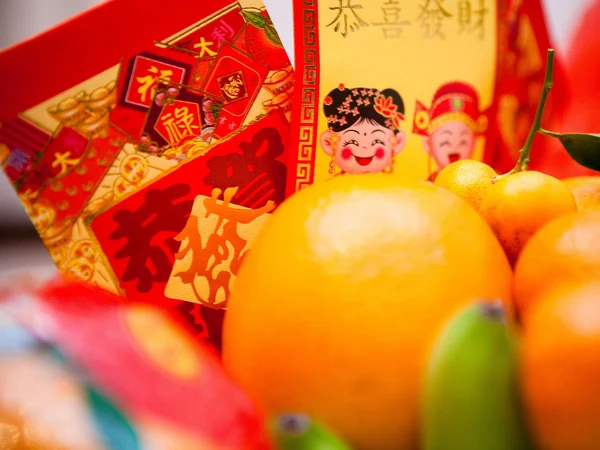
Red remains a popular festive presentation color.
If you plan to travel during Lunar New Year, confirm transport, closures and hosted activities early.
Editorial accountability
Hu Lei, CEO. The named owner is responsible for travel-planning accuracy and escalation of time-sensitive checks.
Yuntian Travel (Yunnan) Group is identified in its corporate profile as a licensed professional inbound travel service provider based in Kunming, China. Registration and travel-service documents can be requested before booking.
Page-specific references where cited, official destination, transport and entry notices, YUNSKY route-planning records, and direct provider confirmation before a booking is finalized.
Content is reviewed when rules, transport, access, pricing or route conditions change. Final availability and operating details are reconfirmed for each traveler’s dates.
Quality review: Page updated: