Your China & Yunnan Travel Experts



Chinese calligraphyturns written characters into a study of controlled movement, proportion and rhythm. A beginner session normally introduces posture, brush grip, ink loading and a small set of basic strokes before a complete character. Regular script is often used because its stroke order and structure are easier to observe, while running script is better treated as a later comparison rather than a shortcut.
Chinese paintingshares brush, ink and paper with calligraphy but applies them to pictorial subjects. Line, ink tone and empty space can suggest texture, depth and atmosphere without copying Western conventions of fixed-point perspective. In a short class, the useful goal is to understand how one subject is built from repeatable brush actions—not to claim mastery of an entire tradition.
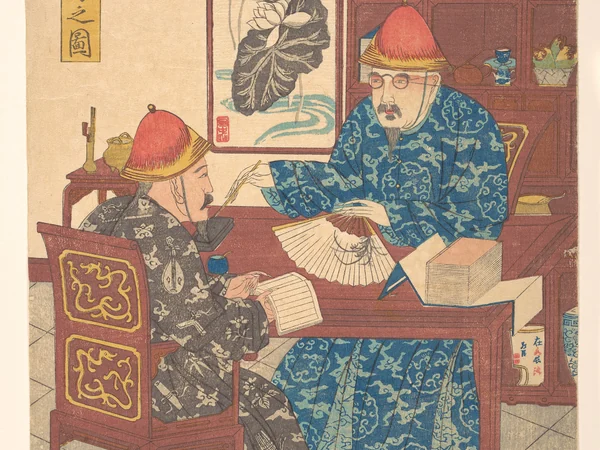
A well-planned introductory lesson should state its duration, language, group size, accessibility and included materials. Classes may be available in major cultural destinations, but schedules and teacher availability change, so confirm before travel. Families should ask whether the activity is age-appropriate and whether ink-stained clothes can be protected. YunSky Travel can help identify a suitable workshop, while the Guilin painting activity provides one destination-specific example.
Chinese calligraphy introductory and basic techniques
1. Preparation — Set a stable chair and table, then arrange a brush, ink, practice paper, inkstone or small dish, felt mat and paperweight. Antique tools are unnecessary for a first lesson. Water-based practice sheets may be useful for repetition, but they behave differently from ink on absorbent Xuan paper.
2. Sitting posture — Sit upright but not rigid, keep both feet supported and leave room for the forearm to move. Place the paper squarely and keep ink away from the table edge. Standing is possible for large work, but beginners usually gain better control while seated.
3. Holding the brush — Keep the brush more upright than a Western pen and let the fingers guide it without squeezing. Teachers use more than one accepted grip, so the key is stable control with a mobile wrist. The pictured position is a reference, not a test every hand must copy exactly.
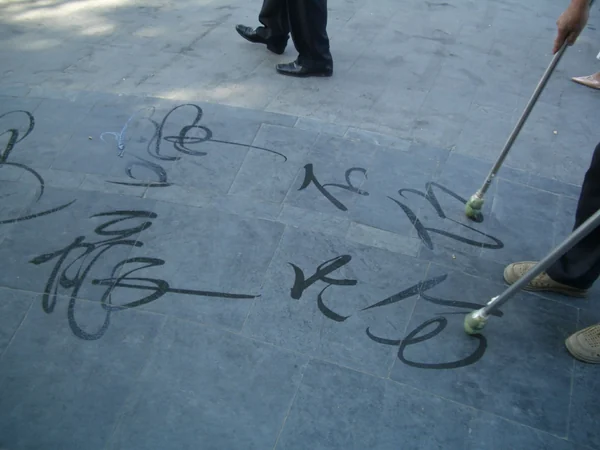
4. Moving the brush — A stroke begins before the visible line: place the tip, press or turn as required, move through the form, then lift or finish deliberately. Finger, wrist, elbow and shoulder contribute differently depending on the size of the character. Watch the instructor from an angle where the tip remains visible.
5. Controlling pressure and timing — Changes between pressing and lifting create width, edge and energy. Pause only where the model requires it; a slow stroke is not automatically careful, and a fast stroke is not automatically expressive. Practice a single component several times before combining it into a character.
6. Learning through copying — Copying a reliable model trains observation of stroke order, spacing and proportion. Record the script, source and meaning of the model rather than tracing an unidentified decorative character. Personal variation comes after understanding the structure being varied.
Chinese painting introductory and basic principles
1. Prepare a small range of brushes, ink, mixing dishes, water, pigments if required, a felt mat and suitable paper. Absorbent paper rewards decisive placement but leaves little room for correction; sized paper or prepared practice sheets may be easier for some techniques. Natural mineral and plant pigments require informed handling, so use the materials supplied by the teacher.
2. Use the brush principles introduced in calligraphy, while changing angle, moisture and pressure to create outlines, dots, washes and textured strokes. Load the brush evenly for a flat tone or grade it with ink and water for variation. Test on scrap paper before beginning the final sheet.
3. Study a few foundational marks and how they combine. Line can describe a stem, contour or fold; dots can build foliage or texture; diluted ink can establish atmosphere. Chinese painting has many schools, and the contrast with Western painting should not be reduced to “line versus light.” Both traditions contain diverse approaches.
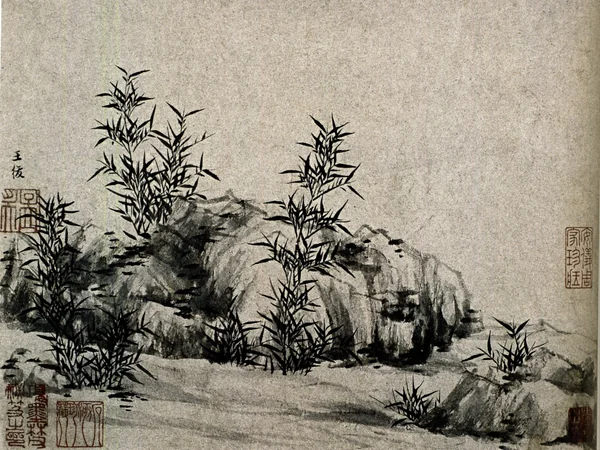
4. Copying a historical or teacher-provided model is a method of technical analysis. Identify which parts are copied, which are simplified for beginners and whether the source is an original, reproduction or modern teaching design. This keeps study separate from passing a copy off as an original work.
5. Flowers, bamboo or simple fruit are practical first subjects because a small set of strokes can form a complete composition. Freehand work may look spontaneous, but it still depends on brush control and sequencing. Leave time for the sheet to dry, ask the teacher to explain any inscription or seal, and transport the work flat or loosely rolled.
Editorial accountability
Hu Lei, CEO. The named owner is responsible for travel-planning accuracy and escalation of time-sensitive checks.
Yuntian Travel (Yunnan) Group is identified in its corporate profile as a licensed professional inbound travel service provider based in Kunming, China. Registration and travel-service documents can be requested before booking.
Page-specific references where cited, official destination, transport and entry notices, YUNSKY route-planning records, and direct provider confirmation before a booking is finalized.
Content is reviewed when rules, transport, access, pricing or route conditions change. Final availability and operating details are reconfirmed for each traveler’s dates.
Quality review: Page updated: