Your China & Yunnan Travel Experts



The Four Treasures of the Study are the brush, ink, paper and inkstone used together for writing and painting. The phrase describes four families of tools, not one fixed luxury gift set. Their behaviour is interdependent: brush hair controls the stroke, ink preparation changes tone and flow, paper governs absorption, and the inkstone helps the maker adjust consistency. Anyone starting Chinese calligraphy will learn more from a balanced working set than from four expensive objects chosen separately.
Writing Brush: Structure and Control
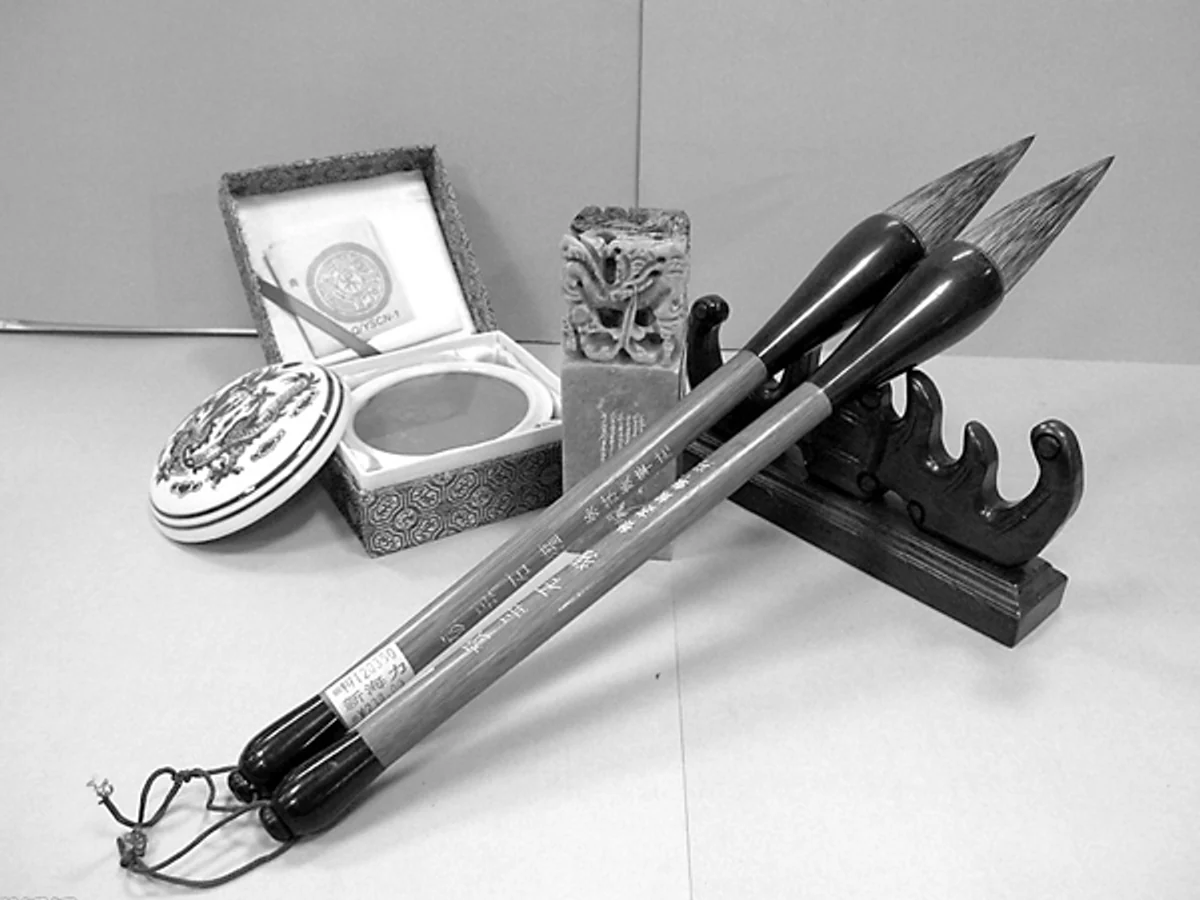
A traditional brush has a flexible hair tip set into a handle. Its point, belly and resilience allow a line to begin sharply, broaden under pressure and taper as the brush lifts. That range is central to calligraphy and ink painting. Handles can be bamboo, wood, lacquer, porcelain or more elaborate materials, but decoration does not determine how well a brush writes.
Hair Types Are Starting Points, Not Grades
Brush labels commonly refer to goat hair, so-called wolf hair and mixed hair. “Wolf hair” usually means weasel hair rather than hair from a wolf. Soft goat-hair brushes hold more liquid and reward slower control; firmer weasel-hair brushes recover their shape quickly; mixed brushes balance those traits. Actual performance also depends on hair length, sorting, tip construction and the maker's intended use.
Choose a brush by the scale and character of the work. A small-script brush, a large-character brush and a wash brush are not substitutes simply because their handles look alike. Before buying, ask what hair is used, whether the tip forms an even point when wet and which paper and ink the seller used for the sample. Rinse new sizing gently, reshape the tip after use and dry it with air circulating around the hair.
Ink Stick: Making Ink by Hand
A solid ink stick is generally made from soot combined with a binder and other formulation ingredients, then moulded and dried. On an inkstone, a little clean water and patient circular grinding produce liquid ink. The writer controls density during this process; thick ink can look deep and textured, while more water creates lighter tonal passages. Bottled ink is convenient, but it does not teach the same relationship between water, grinding and pace.
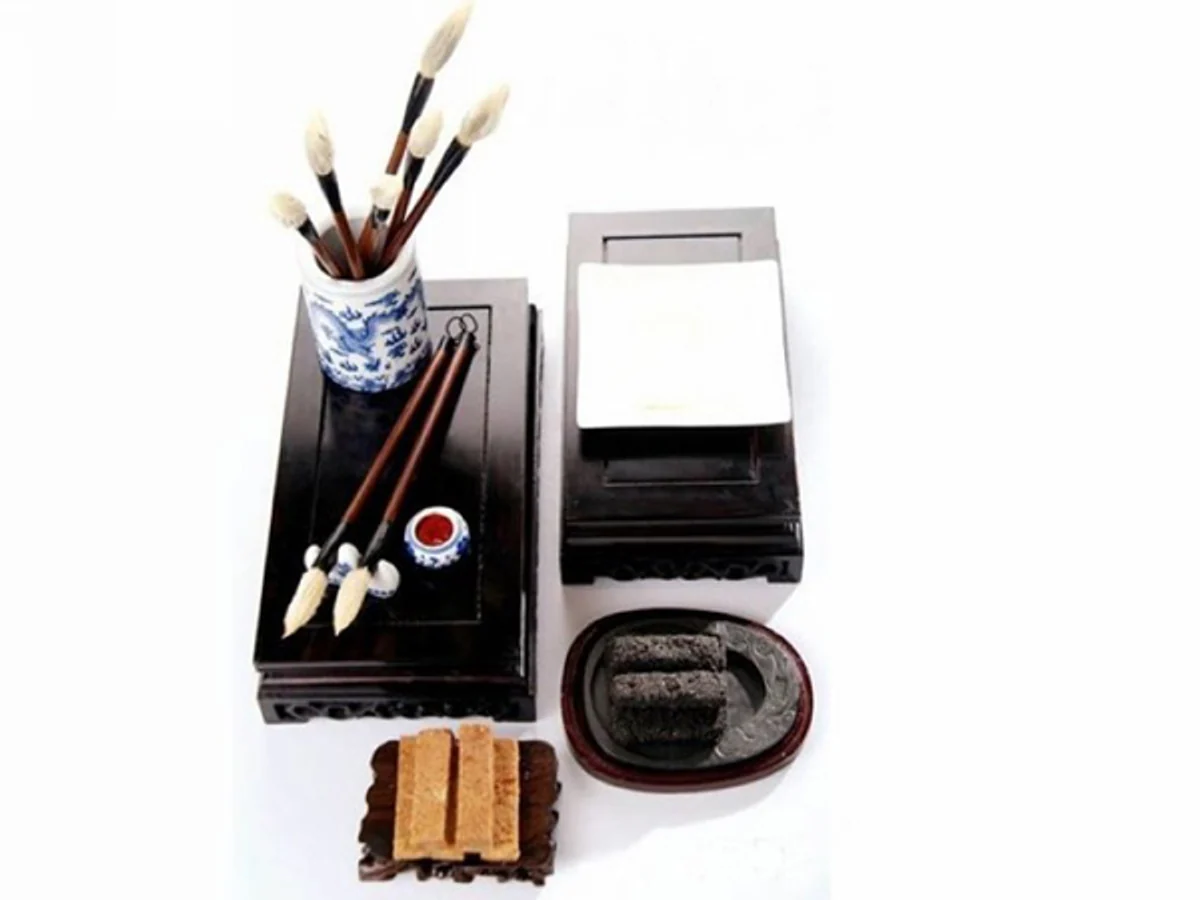
Brush, ink, paper and inkstone form one working system.
Historic names such as Huizhou ink identify respected production traditions, yet a regional label by itself is not proof of age, recipe or quality. Museum ink cakes may carry designs, inscriptions and court or workshop histories that make them objects of study as well as usable material. A modern traveller should distinguish a documented old object, a contemporary artisan product and a souvenir moulded to resemble an antique.
Paper: Absorption Changes the Stroke
Paper associated with Chinese brushwork includes many fibre recipes, surfaces and degrees of absorbency. Xuan paper is a specific tradition linked with Xuancheng in Anhui, not a generic name for every sheet of “rice paper”; rice may appear in some papers, but the English nickname is misleading. Practice paper that slows spreading can help a beginner, while highly responsive paper reveals small changes in speed, water and pressure. The needs of Chinese painting also vary between fine-line and freer ink approaches.
Inkstone: Surface, Water and Care
The inkstone provides a smooth working surface on which water and an ink stick become usable ink. A practical stone needs an appropriate grinding area and a way to hold a small amount of liquid. Duan, She, Tao River and Chengni are celebrated names in inkstone history, but material identification, workmanship, condition and provenance matter more than a famous label stamped on a box.
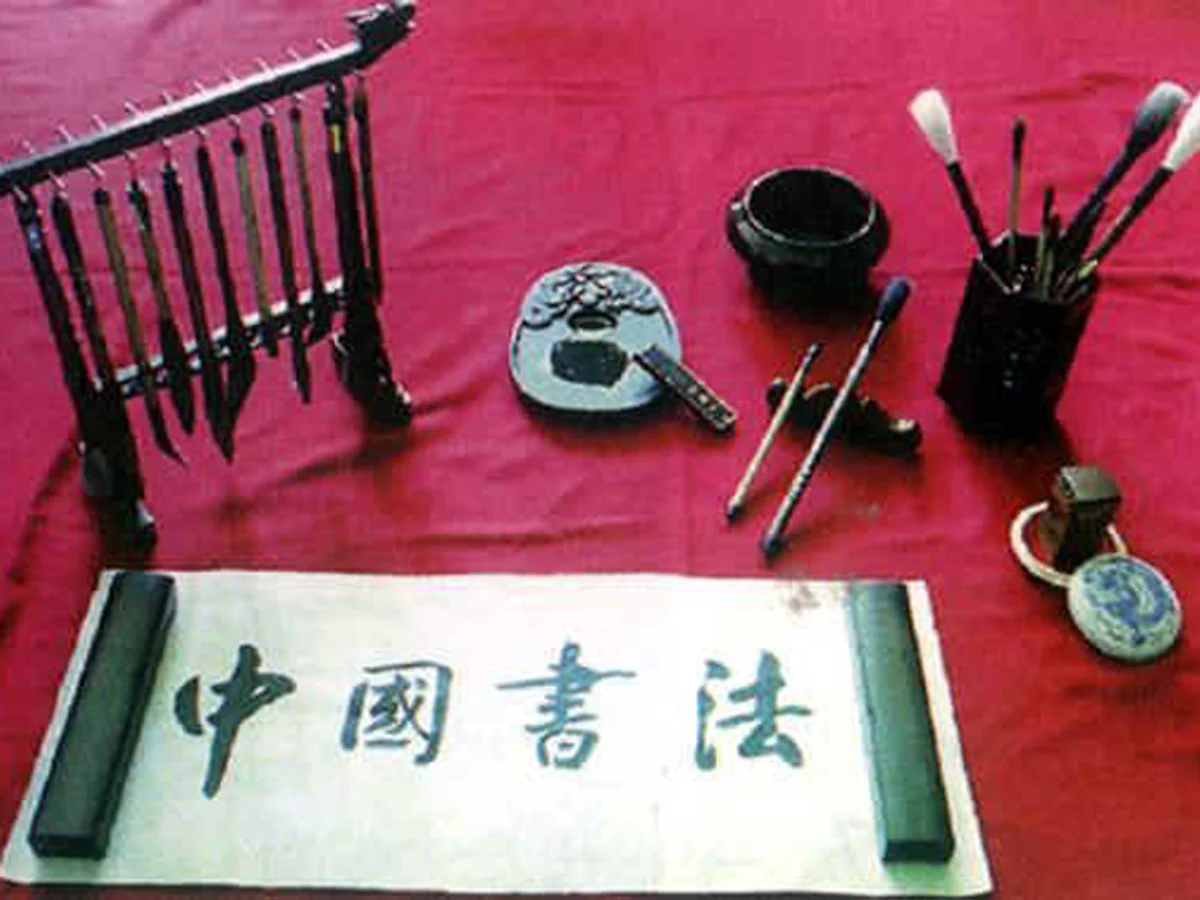
Inkstones and related desk objects may also be carved and collected as works of art.
For use, add water sparingly, grind without forcing the stick and clean the stone before residue hardens. Do not use household abrasives on an old or carved inkstone. For a collectible object, record measurements, inscriptions, repairs and ownership history, then seek a specialist opinion before accepting a dynasty attribution. As a gift, a modest functional set plus a lesson is often more meaningful than an ornate set the recipient cannot safely use.
Editorial accountability
Hu Lei, CEO. The named owner is responsible for travel-planning accuracy and escalation of time-sensitive checks.
Yuntian Travel (Yunnan) Group is identified in its corporate profile as a licensed professional inbound travel service provider based in Kunming, China. Registration and travel-service documents can be requested before booking.
Page-specific references where cited, official destination, transport and entry notices, YUNSKY route-planning records, and direct provider confirmation before a booking is finalized.
Content is reviewed when rules, transport, access, pricing or route conditions change. Final availability and operating details are reconfirmed for each traveler’s dates.
Quality review: Page updated: