Your China & Yunnan Travel Experts



A landmark may be an ancient monument, a river landscape, an archaeological site or a modern city structure. The 13 original entries span Beijing, Shanghai, Xi'an, Guilin, Tibet and Guangzhou. Use this page to compare meaning and route fit, then narrow the trip to two or three geographic clusters. Continue planning with the China heritage wonders.

The Great Wall represents successive systems of frontier defense rather than one continuous wall from a single dynasty. A managed Beijing section is the clearest first visit, while remote sections demand more logistics. At Great Wall — Northern China Landmark, visibility, seasonal conditions and peak-period demand may affect the experience. Match the chosen section to fitness, season and safe legal access. Use authorized routes at Great Wall — Northern China Landmark and confirm any reservation or identity-document requirements close to travel. the Great Wall
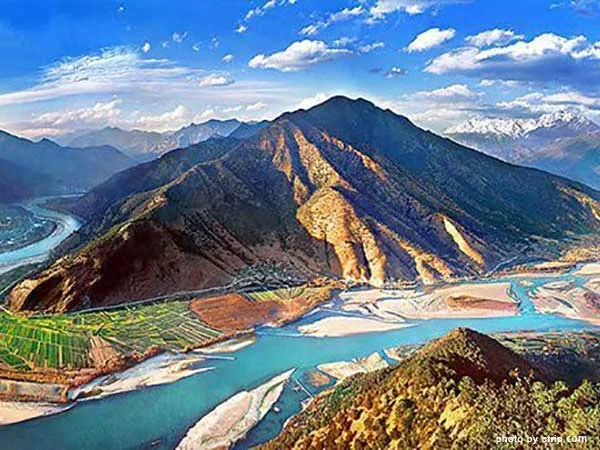
The Yangtze links major cities, gorges, wetlands and working transport corridors across a vast basin. Choose one experience—urban waterfront, cruise segment or cultural stop—instead of treating the entire river as one attraction. Allow flexibility because local transport, maintenance and weather can alter access to Yangtze River — River Corridor. Confirm vessel, port and seasonal navigation details with the operator. Do not rely on an old price or timetable for Yangtze River — River Corridor; verify the operating arrangement before departure. Yangtze River
Yangtze River Tours

Yangtze River
The Forbidden City is the former Ming and Qing imperial palace and the home of the Palace Museum. Prioritize a focused palace route and historical interpretation over trying to see every courtyard. The most comfortable visit to Forbidden City — Beijing depends on season, walking conditions and crowd management. Reserve through the current official system and prepare for security and extensive walking. Respect barriers and local rules at Forbidden City — Beijing, especially where conservation or working infrastructure limits access. Forbidden City
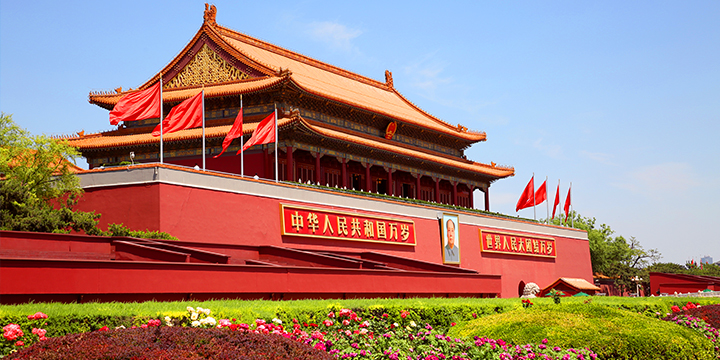
Tian'anmen Square is a major civic space bordered by national institutions and historic gates. Combine it with central Beijing only when current access and security arrangements fit the day. Weather, crowd levels and site controls can change the pace at Tian'anmen Square — Beijing. Carry the identification required for reservations or checks and follow all controlled-area rules. Check current official notices for Tian'anmen Square — Beijing; hours, tickets and open areas should not be treated as permanent. Tiananmen Square



The Potala Palace, Tibet
The north side of Mount Everest lies in a remote, high-altitude landscape reached through Tibet. It is an expedition-like overland journey, not an easy add-on to central China. Weather, crowd levels and site controls can change the pace at Mount Everest — Tibet. Use authorized arrangements, acclimatize gradually and accept that weather may obscure the mountain. Check current official notices for Mount Everest — Tibet; hours, tickets and open areas should not be treated as permanent. Continue planning with the China destination guides. Mt. Everest

Guangzhou TV & Sightseeing Tower, a total height of 600 meters, replace the CN tower in Canada as the world's tallest free-standing tower, is second only to Japan's Tokyo sky tree as the world's second high tower free-standing tower, also become a new landmark of Guangzhou. Guangzhou tower has several of the world's most: the longest sky ladder, the highest revolving restaurant, the highest 4D Theater, the highest goods shop, the highest lateral ferris wheel, the highest air post office.
► Recommended Best Guangzhou Package Tours at: Guangzhou tours

Guangzhou TV & Sightseeing Tower, Guangzhou
Those are the most famous landmarks in China. Each of them offers you different impressions of different cities in China. And when you mention them in each place, everyone can recognize them.

Beijing, Xian, Lhasa, Chongqing, Yangtze Cruise, Yichang, Shanghai, Suzhou, Hangzhou, Guilin, Hong Kong