Your China & Yunnan Travel Experts



China's headline attractions range from imperial palaces and archaeological sites to rivers, mountains and protected valleys. This selection is not an official ranking; it is a planning shortlist built around national significance, landscape variety and the role each place can play in a first or second trip. The most useful choice is not always the most famous site, but the one that fits your route, season, walking ability and available time.
The Great Wall is a network of fortifications built and rebuilt across different periods, not one continuous sightseeing path. Near Beijing, restored Badaling and Mutianyu are easier for first-time visitors, while wilder sections demand more fitness and careful route selection. Allow a substantial half or full day from the city, wear shoes suited to steep stone steps and check the current ticket and transfer arrangements for the section you choose. Its historical importance is also recognized within China's World Heritage sites. Travelers comparing two major heritage cities can use the Beijing–Xi'an group route as a realistic framework.

At the center of Beijing, the Forbidden City was the principal imperial palace of the Ming and Qing dynasties and today forms the Palace Museum. Its axial courtyards reveal how ceremony, hierarchy and residential life were organized, but the complex is too large to understand as a quick photo stop. Reserve according to the museum's current rules, enter with the identification used for booking and choose a route through the central halls plus one or two side galleries rather than trying to inspect every room.

The Terracotta Army belongs to the mausoleum complex of Qin Shi Huang, the first emperor of a unified Qin empire. The excavated pits contain life-size soldiers, horses and chariots with variations in dress, rank and facial treatment. It is a Qin-period site—not a Tang-dynasty monument—and sits outside central Xi'an, so allow for the transfer and museum time. Reading the excavation story before entering makes the partially restored figures and working conservation areas more meaningful.

The Yangtze is China's longest river and a geographic corridor linking the Tibetan Plateau with central and eastern China. For travelers, the best-known scenic section is the Three Gorges between Chongqing and Yichang. A cruise offers long landscape views and shore excursions, but vessel category, cabin position, embarkation point and included sites vary. Compare the river experience with your wider route: it works best as a multi-day transition, not as a brief side trip from Beijing or Shanghai.

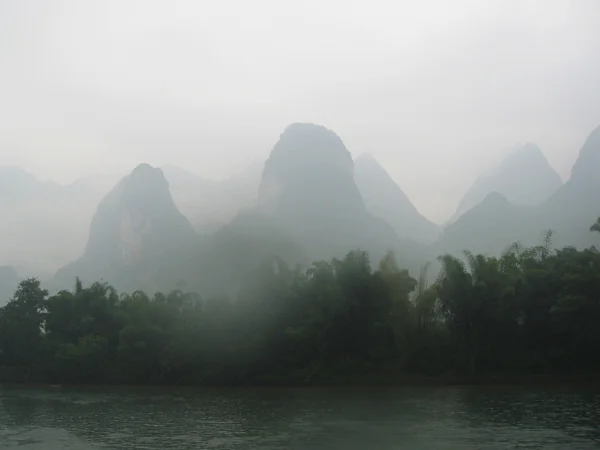
The Li River journey between Guilin and Yangshuo passes limestone karst towers, cultivated banks and villages that have shaped the region's visual identity. Cruise, motorized raft and road-based viewpoints provide different experiences and are not interchangeable. Water level, visibility and operating conditions vary by season. Combine the river with Yangshuo countryside or Longji terraces only if you have enough time for the transfer rather than treating all of Guilin as one attraction.
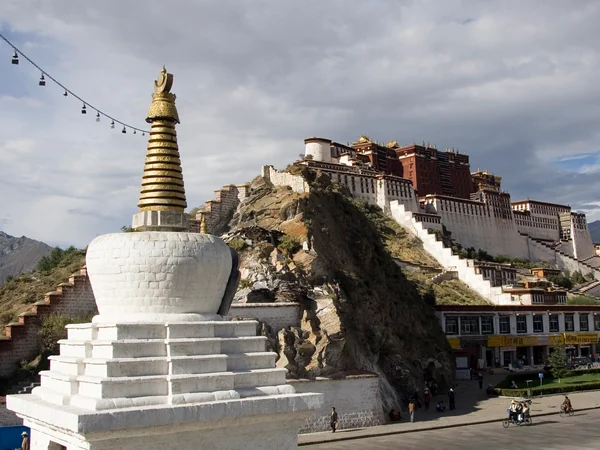
The Potala Palace rises on Red Hill above Lhasa and forms part of a UNESCO-listed historic ensemble with Jokhang Temple and Norbulingka. Its stairways and high elevation make physical pacing essential: travelers should first acclimatize in Lhasa, follow the current reservation process and avoid rushing the climb. The visit is most meaningful when paired with the living religious landscape around Jokhang and Barkhor rather than viewed only as an exterior landmark.
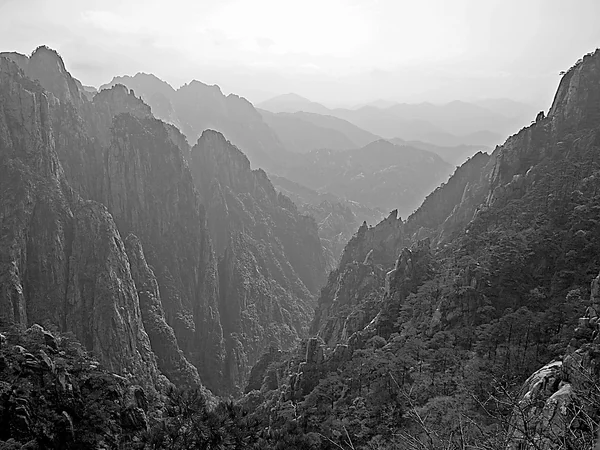
Mount Huangshan combines granite peaks, wind-shaped pines and rapidly changing cloud conditions. Cable cars reduce some ascent but do not remove stairs, and summit accommodation requires advance planning during busy periods. A clear forecast is never guaranteed, so build the trip around walking and atmosphere as well as a single sunrise view. The four-day Huangshan route leaves room for the mountain and nearby Huizhou heritage instead of forcing a same-day return.

The Bund, on the west bank of the Huangpu River, places Shanghai's early twentieth-century commercial architecture opposite the modern Pudong skyline. Walk once in daylight to read the buildings and again after dusk for the city lights. The promenade is public space, not a museum with one entrance; combine it with a nearby historic district or ferry crossing and avoid assuming that every river cruise offers the same viewpoint.

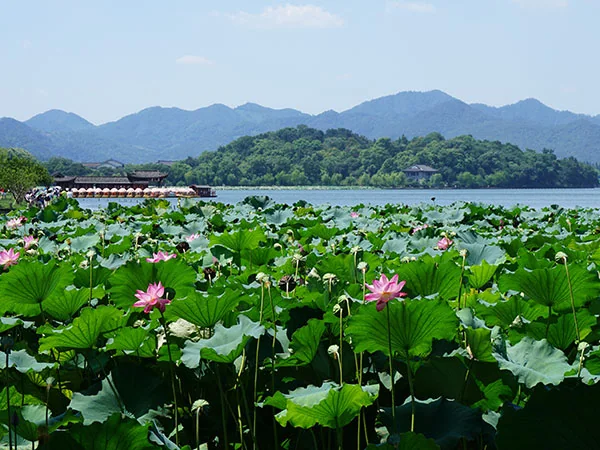
West Lake is a cultural landscape of water, causeways, gardens, temples and borrowed views rather than a single viewing platform. Walking or cycling one section often gives a better experience than circling the entire shore under time pressure. Morning mist, seasonal lotus and autumn color change the mood, while weekends can be crowded. Choose two or three linked stops—for example a causeway, a temple and a hill view—and use local transit for the remainder.

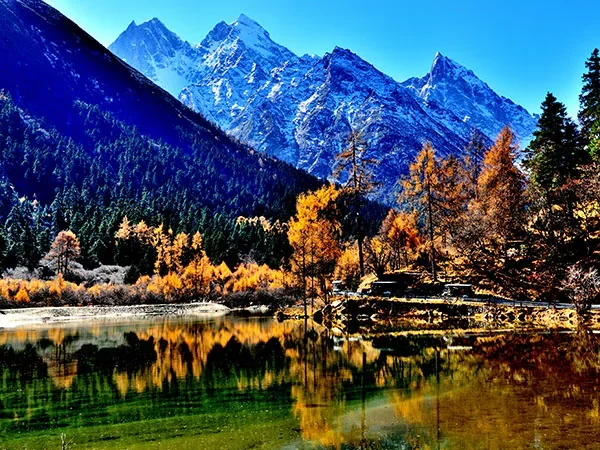
Jiuzhaigou Valley in northern Sichuan is known for mineral-rich blue and green lakes, waterfalls, forest and high mountain scenery. Protected-area transport and walking routes shape the visit, so current opening areas and ticket procedures matter more than an old list of “must-see” lakes. Elevation, cold mornings and long internal transfers can affect comfort. Most itineraries access the valley through Chengdu or nearby regional transport rather than as a day trip. The Chengdu–Jiuzhaigou itinerary shows a workable sequence.

These ten attractions answer different travel interests. Choose the Great Wall, Forbidden City and Terracotta Army for state history and archaeology; the Yangtze, Li River, Huangshan and Jiuzhaigou for landscape; the Potala Palace for high-altitude religious heritage; and the Bund or West Lake for an urban cultural landscape. A balanced first trip usually combines two gateway cities with one nature region, leaving enough time for reservations, transfers and weather changes.
Editorial accountability
Hu Lei, CEO. The named owner is responsible for travel-planning accuracy and escalation of time-sensitive checks.
Yuntian Travel (Yunnan) Group is identified in its corporate profile as a licensed professional inbound travel service provider based in Kunming, China. Registration and travel-service documents can be requested before booking.
Page-specific references where cited, official destination, transport and entry notices, YUNSKY route-planning records, and direct provider confirmation before a booking is finalized.
Content is reviewed when rules, transport, access, pricing or route conditions change. Final availability and operating details are reconfirmed for each traveler’s dates.
Quality review: Page updated: