Your China & Yunnan Travel Experts


Reviewed: August 27, 2026. Why visit China from Europe? The strongest answer is not that one country is universally “best,” but that a well-designed trip can connect landscapes, protected heritage, living cultural practices, regional food and contemporary infrastructure within one evidence-led route. Entry rules depend on passport and purpose; current unilateral guidance covers 35 European ordinary-passport countries for tourism and other listed short-stay purposes, while policy windows can change. Verify the Ministry of Foreign Affairs and National Immigration Administration before purchase.
Use this page as a decision test. China suits travelers willing to plan timed attractions, passport-based transport, digital tools and long domestic distances. It may not suit a rushed checklist or anyone expecting every service to operate in a familiar language. Compare the six reasons below with season, budget, mobility, dietary needs and available nights. The China overview provides geographic context before you choose a route.
China's scale supports very different environments, but “diverse” becomes useful only when tied to a route. Guilin's riverine tower and cone karst belongs to the UNESCO-listed South China Karst serial property; Zhangjiajie's pillar landscapes require mountain transport and weather flexibility; the Yangtze offers a river corridor; and Dali's Erhai basin combines lake, mountains and inhabited shore. Select one landscape family and give it enough nights instead of crossing the country merely to collect contrasts.
Landscape also creates responsibility. Check altitude, heat, rain, typhoon or winter conditions by destination; use marked paths and licensed operators; avoid entering farms or protected areas without permission; and keep a weather alternative. Scenic access is conditional, not an entitlement or a guarantee of the photographed view.

Erhai Lake and the Cangshan range illustrate Dali's inhabited lake-and-mountain setting; this image is not evidence of current water quality, access or weather.
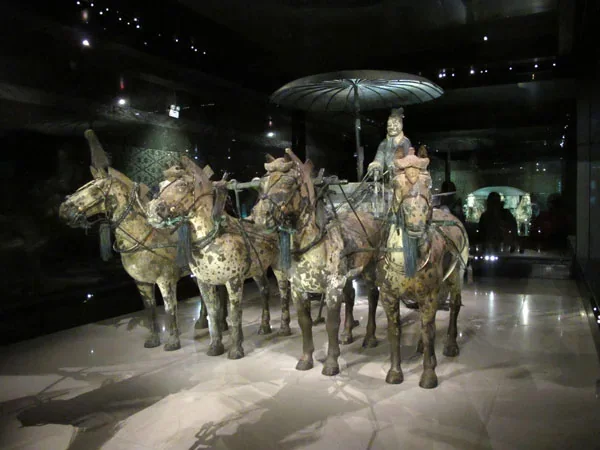
China's long history is visible in layers rather than a single unbroken story. Beijing can introduce imperial institutions and the Great Wall; Xi'an connects the first Qin emperor's mausoleum, later capital history and Silk Road exchange; Luoyang's Longmen Grottoes contain Buddhist cave art concentrated from the late Northern Wei through Tang periods. UNESCO identifies more than 2,300 caves and niches at Longmen, but numbers matter less than reading patronage, style, inscriptions and conservation with a reliable guide or label.
Museums and archaeological sites reward slow observation. Ask what an object is, where it was found, who interpreted it and what remains uncertain. Separate reconstructed displays, performances and modern replicas from primary material. The Chinese history guide can orient periods before the trip, but current venue labels and official research should guide site-specific claims.
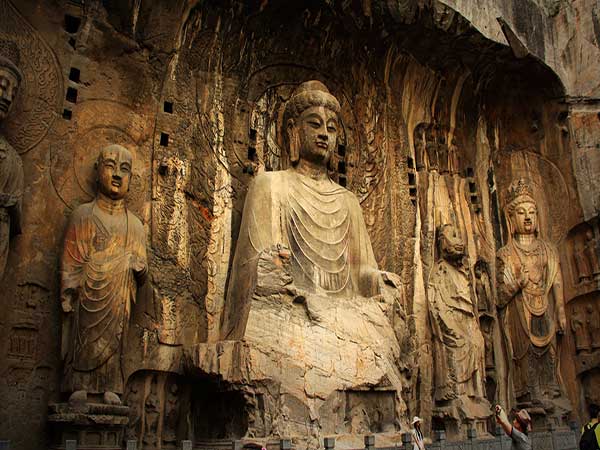
The Longmen Grottoes photograph shows Buddhist stone carving in Henan, not a generic “ancient temple.”
Calligraphy, opera, music, craft, religious practice and seasonal customs remain living and changing. UNESCO lists Chinese calligraphy as intangible cultural heritage and notes five major script styles. A useful encounter might compare a dated inscription, a museum work and a present-day practitioner's demonstration. It should name the teacher or institution, distinguish learning from performance and avoid claiming that one workshop represents all Chinese culture.
Temples and community events are not sets. Follow photography rules, dress and speak respectfully, do not interrupt worship, and ask before photographing practitioners. Buy craft from an identifiable maker when possible and avoid invented “ancient” origin stories. Cultural depth comes from specific people, places and evidence—not adjectives such as mysterious, timeless or exotic.
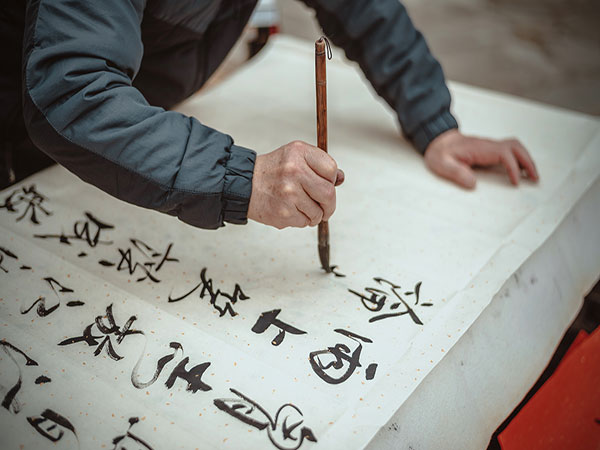
The calligraphy photograph illustrates brush practice as both communication and art; it is not a generic education image.
Chinese food is not one flavor system, and the familiar “eight cuisines” framework is only one way to organize a much larger field. Beijing roast duck involves a specific roasting and service tradition; Xi'an reflects grain-based northern staples and exchange routes; Chengdu and Chongqing have distinct Sichuan food contexts; Jiangnan cooking differs again. Choose meals that illuminate the route rather than chasing a national checklist.
Food planning is also practical. State allergies in writing, ask about peanuts, sesame, shellfish, soy, wheat and shared oil, and understand that a dish described as mild can still contain chili. Observe busy licensed premises, drink safe water and keep medication accessible. The Chinese cuisine guide helps compare regional traditions without reducing them to one “authentic” dish.
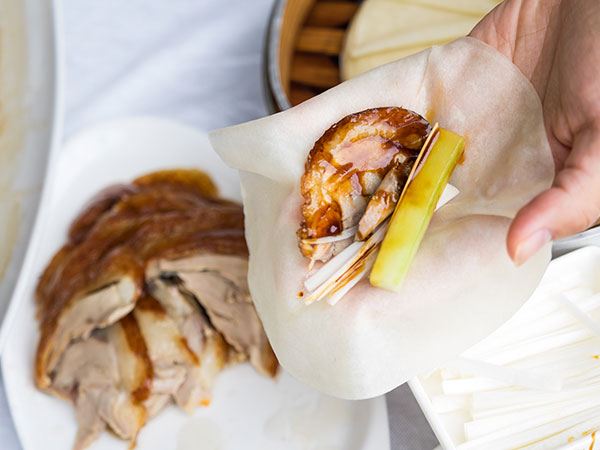
Beijing roast duck illustrates one regional food tradition; it should not stand for every Chinese meal or imply a particular restaurant endorsement.
Travel can create meaningful exchanges, but no population has one personality. Do not promise that every stranger will be friendly, speak English or welcome a camera. Learn a few practical Mandarin phrases, carry addresses in Chinese, ask permission before portraits and treat refusal as complete. A guide, host, craft practitioner or food specialist with a named role can provide more accountable insight than a generalized claim about “the Chinese people.”
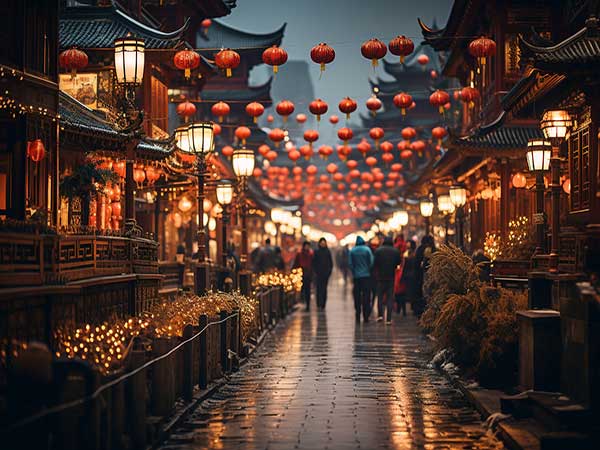
Crowded streets can feel energetic and can also be tiring. Plan meeting points, keep valuables secure, avoid blocking residents and choose quieter alternatives for children or travelers with sensory needs. The following night-street photograph illustrates shared public space and crowd awareness, not a claim about individual behavior.
China Railway's official 12306 English service supports passport-based ticketing, but real-name verification, exact station names and carrying the original booking document still matter. High-speed rail can reduce city-center travel time on some routes; it does not make every transfer short or every station central. Compare the complete journey, luggage, accessibility and cancellation terms before choosing rail over air.
Mobile payments are widely useful, and current government guidance says overseas visitors can register supported apps and bind eligible international cards. Keep alternatives: issuer approval, limits and merchant acceptance vary, while RMB cash remains a lawful payment option. Set up connectivity and payment before the first busy day, store essential confirmations offline and never hand an unlocked phone to an unknown helper. The phone image illustrates payment preparation, not a guarantee that one app, card or QR flow works everywhere. Visit when the route has a clear question, sufficient nights and verified access; reduce distance before reducing rest.


From $ 22782050
From $ 2983

From $ 28612575
Editorial accountability
Hu Lei, CEO. The named owner is responsible for travel-planning accuracy and escalation of time-sensitive checks.
Yuntian Travel (Yunnan) Group is identified in its corporate profile as a licensed professional inbound travel service provider based in Kunming, China. Registration and travel-service documents can be requested before booking.
Page-specific references where cited, official destination, transport and entry notices, YUNSKY route-planning records, and direct provider confirmation before a booking is finalized.
Content is reviewed when rules, transport, access, pricing or route conditions change. Final availability and operating details are reconfirmed for each traveler’s dates.
Quality review: Page updated: