Your China & Yunnan Travel Experts


Reviewed August 28, 2026. The best things to do in China depend on route logic, not the length of a bucket list. For most first-time European visitors, three or four hubs over 10–14 days create more usable experience than six cities joined by airport and station queues. Compare door-to-door travel, passport-linked ticketing, climate, walking load and the reason for each stop. Beijing and Xi'an provide an imperial-to-archaeological sequence; Zhangjiajie provides a weather-dependent landscape contrast; Suzhou and Hangzhou reward slower design and water-landscape study; Chongqing shows vertical urban geography; Chengdu adds panda conservation and Sichuan daily life. Reserve headline sites through their current official channels, carry the original identity document used for booking, and keep one flexible block for weather or transport disruption. The six sections below explain what each city contributes, how long it deserves and what to remove when time is limited.
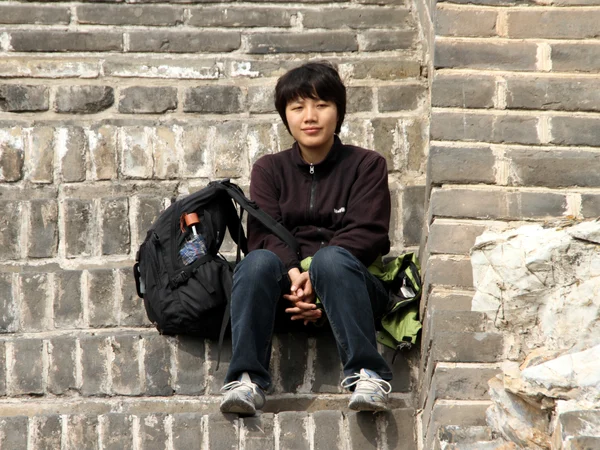
Choose a Great Wall section by access and walking ability: A Great Wall visit is a separate excursion, not an extra stop after central Beijing. Compare the exact section, transfer, shuttle or cableway, steepness, exposed weather and evacuation route. Mutianyu is often chosen for a restored walk and assisted access, while other sections offer different crowd and hiking conditions; no section is universally best. Wear grippy footwear, carry water within venue rules and turn back before fatigue. Sunrise, sunset or an empty wall cannot be guaranteed, and access may change in wind, rain, ice, heat or crowd control.
Visit the Palace Museum with a defined route: The Forbidden City is the Palace Museum, a large historic complex rather than a single palace photograph. Its official international guidance requires advance real-name booking with the passport or other accepted document, closes on most Mondays and does not sell ordinary same-day admission. Select a two- to four-hour route through the central axis and one gallery or garden; trying to inspect every courtyard reduces comprehension. Enter through the designated gate with the original booking document, protect historic surfaces, and use the museum's current map for accessible routes and closures.
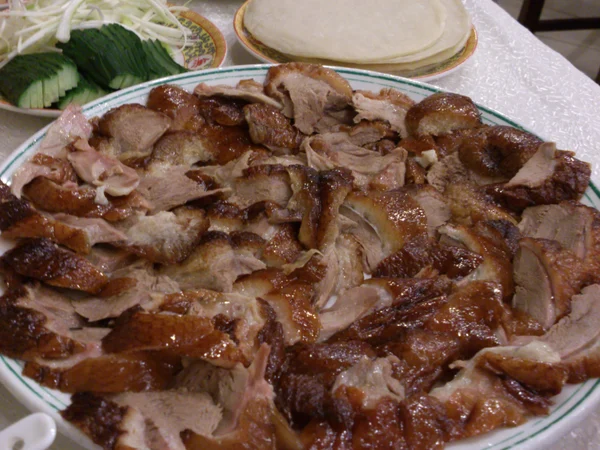
Treat roast duck as one meal, not a compulsory performance: Ask whether the listed price covers a whole or half duck, carving, pancakes, condiments and side dishes. Duck sauce may contain wheat or soy, and the meal can be rich and salty. Reserve only if timing matters, order vegetables and a staple, and let diners decline skin, meat or alcohol without pressure. Other valuable Beijing experiences include Temple of Heaven park life, hutong history with resident privacy, a museum or the Central Axis rather than another banquet.
Route decision:
Allow three full days: one historic centre day, one Great Wall day and one museum, neighbourhood or park day. Add a fourth day for a slower pace, not two more headline sights.
Travellers who want Beijing and Xi'an without unnecessary flying can compare a Beijing–Xi'an route framework, then verify its hotels, train class, admissions, guide hours and cancellation terms independently.
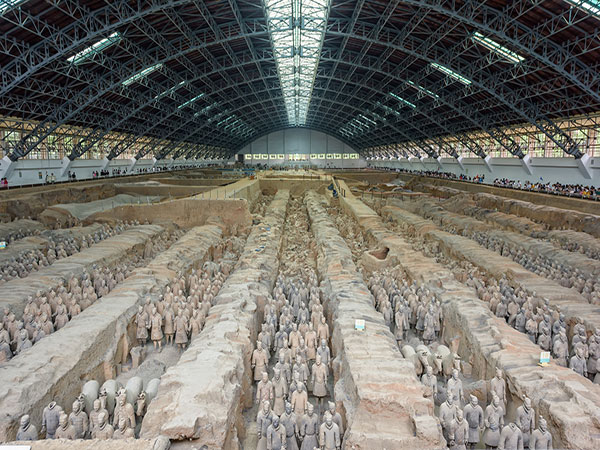
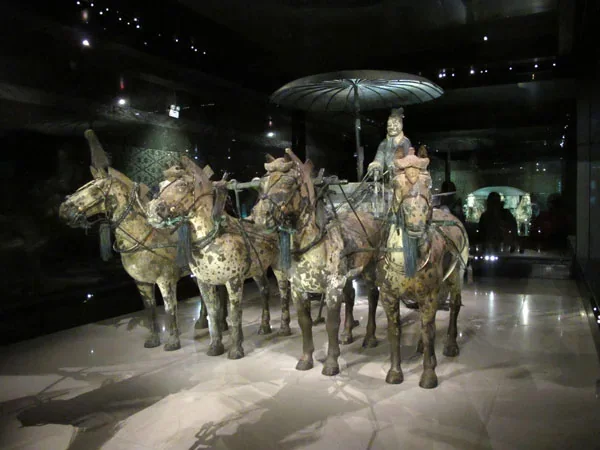
Visit the Terracotta Warriors as an archaeological museum: The Qin Shi Huang Mausoleum Site Museum uses real-name, timed reservation and visitor-capacity controls. The phrase ‘Eighth Wonder of the World' is tourism promotion, not an official UNESCO title. Begin with the historical setting of the Qin unification and funerary complex, then compare the pits, conservation work and individual figures. The museum lies in Lintong outside central Xi'an, so give the visit most of a day and reject drivers or guides who substitute an unofficial workshop or compulsory shop for museum time.
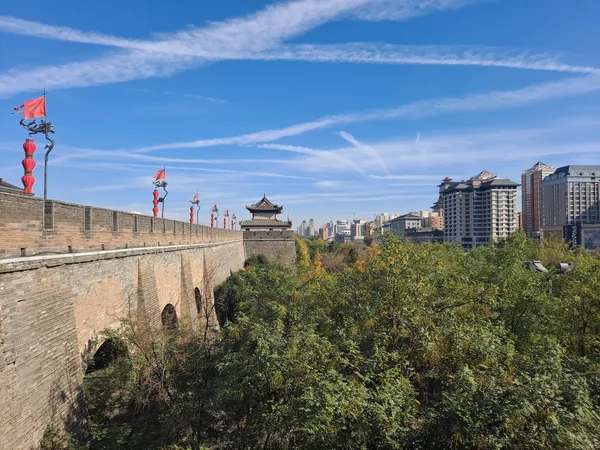
Walk or cycle only the suitable part of Xi'an City Wall: The broad wall top gives a readable plan of the Ming city, but the full circuit is long and exposed. Check the day's gate, bicycle, tandem, age, height, return-point and weather rules on the operator's current notice. A short walk between two gates may teach more than rushing the entire circuit. Avoid cycling in high heat, rain, ice, poor visibility or when a traveller cannot brake and manoeuvre confidently.
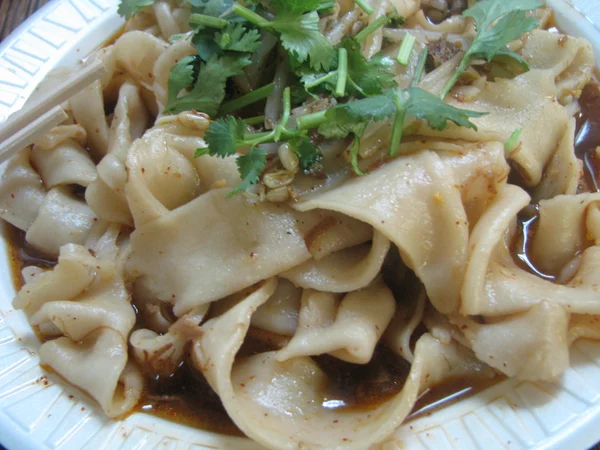
Use food to explain Xi'an's connected histories: Biangbiang noodles, roujiamo, dumplings and Muslim Quarter foods reflect grain agriculture, migration and Silk Road connections, but one street does not represent all Shaanxi cuisine. In Muslim food areas, distinguish clearly marked halal businesses from nearby ordinary restaurants, respect worship spaces and ask before photographing vendors. Confirm chilli, sesame, peanuts, meat source and shared preparation when relevant.
Route decision:
Allow two full days: one for the Qin mausoleum museum complex and one for the city wall, a pagoda or museum, and a focused food walk.
A third day suits travellers adding Shaanxi History Museum or a slower Silk Road theme; Mount Huashan requires a separate weather, fitness and transport decision and is not an automatic Xi'an add-on.
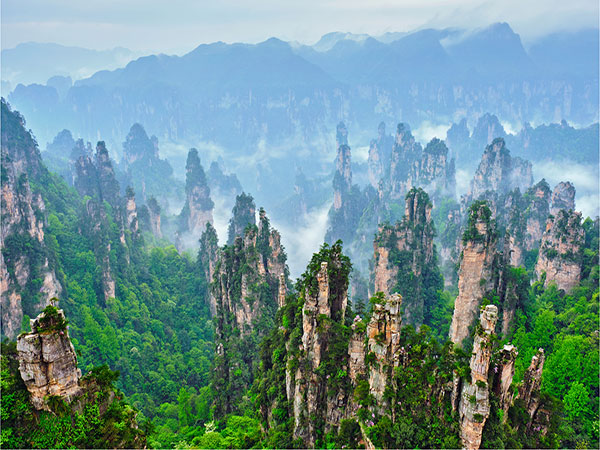
Explore Wulingyuan as a protected landscape: UNESCO describes Wulingyuan as a 26,400-hectare area with more than 3,000 narrow quartz-sandstone pillars, ravines, streams and caves. ‘Avatar mountains' is a useful popular reference, not the site's complete identity. The scenic area contains multiple entrances, shuttle systems and elevation changes; choose one main circuit per day and save the Chinese hotel and gate name. Mist can create atmosphere but also obscure views, while storms, heat, ice or crowd controls can change lifts and trails.
Use the Bailong Elevator as transport, not the purpose of the trip: The elevator can reduce a major elevation transfer, but queues and crowding may outweigh the short ride. Check current operation, ticket inclusion and the route before committing; do not repeat old height or world-record claims without the operator's dated evidence. Travellers with vertigo, sensory sensitivity or limited tolerance for packed cabins should discuss an alternative route.
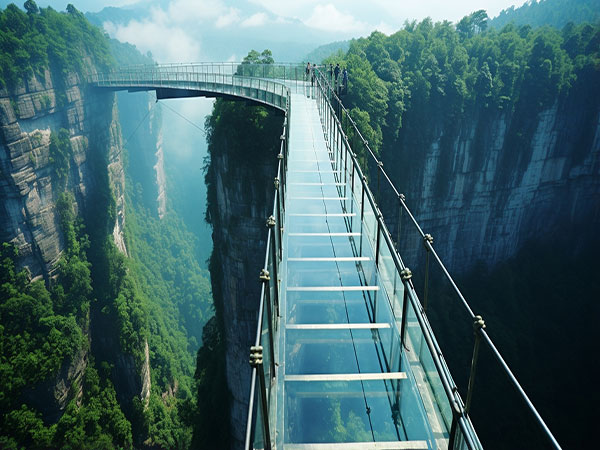
Do not confuse the Grand Canyon Glass Bridge with Wulingyuan: The Zhangjiajie Grand Canyon and its glass bridge are a separate attraction with their own transfer, ticket, baggage, footwear, weather and health rules. A photograph does not establish that the bridge is open on the visit date. Add it only if the engineering experience is a priority; otherwise protect time for the World Heritage landscape, where trails and viewpoints provide the stronger geographic story.
Route decision:
Allow two full scenic days plus arrival or departure time. Stay near the entrance that serves the planned route, not simply at the cheapest property carrying a Zhangjiajie label.
For a longer nature-led itinerary, compare a Huangshan and Zhangjiajie route by season, transfer time and walking demands before assuming two mountain regions belong in one trip.
Read West Lake as a cultural landscape: West Lake is not merely a boat photo. UNESCO identifies causeways, islands, bridges, temples, pagodas and wooded hills as a designed cultural landscape shaped by Tang and Song ideals. Choose one lakeshore segment, one causeway or boat route and one cultural site rather than circling every landmark. Check visibility, heat, rain, boat operation and last transport; the open lakeshore can be busy even when admission to the wider landscape is free.
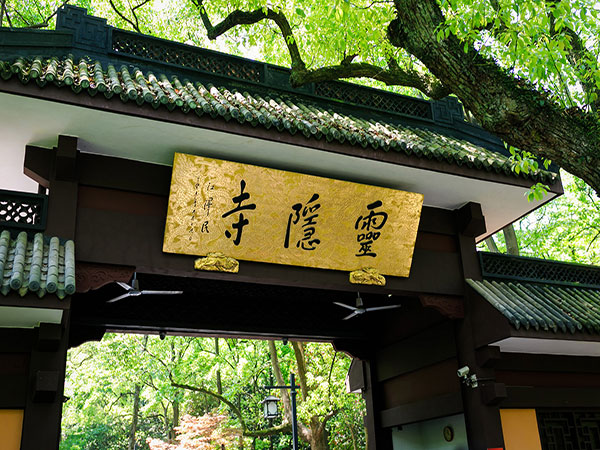
Visit Lingyin Temple with religious and site context: Lingyin belongs to a larger Buddhist and historic landscape. Dress and speak respectfully, follow photography and incense rules, do not block worshippers and avoid presenting a bracelet or donation as a guaranteed source of luck. Verify whether the scenic area and temple use separate tickets and whether steep or crowded approaches fit the group.
Study one or two Suzhou gardens slowly: UNESCO's nine listed classical gardens are distinct properties, not interchangeable backdrops. Select by design interest, scale, crowd tolerance and location; observe how rock, water, planting, architecture and framed views create a miniature landscape. Timed admission and preservation measures can change, so check the individual garden's official channel. A smaller garden studied carefully is more valuable than racing through three.
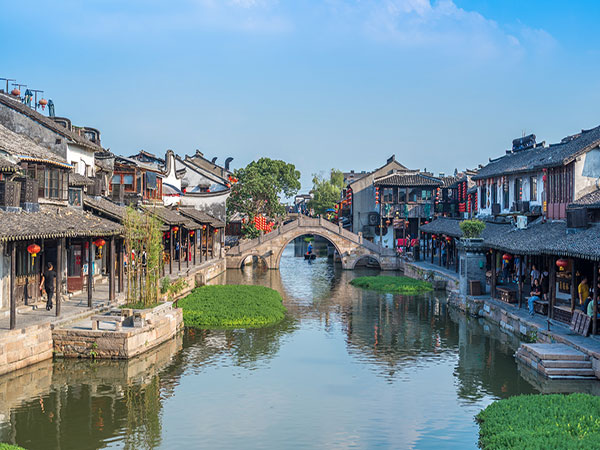
Choose a water town with resident respect: Tongli, Zhouzhuang, Wuzhen and other water towns differ in location, ownership, ticketing and commercial intensity. They are not all in both Suzhou and Hangzhou. Choose one that fits the rail route, stay beyond the busiest hour if useful, keep noise low in residential lanes and ask before photographing residents or entering courtyards. Boat rides depend on weather, water and operator rules.
Route decision:
Allow one full day for Hangzhou's West Lake area and one or two for Suzhou gardens and neighbourhoods; add a water town as a separate half or full day, not an unexplained photo stop.
Shanghai is the practical rail gateway for many visitors, but Suzhou and Hangzhou are separate cities in different directions. Book the correct station and carry the passport used for the real-name train ticket.
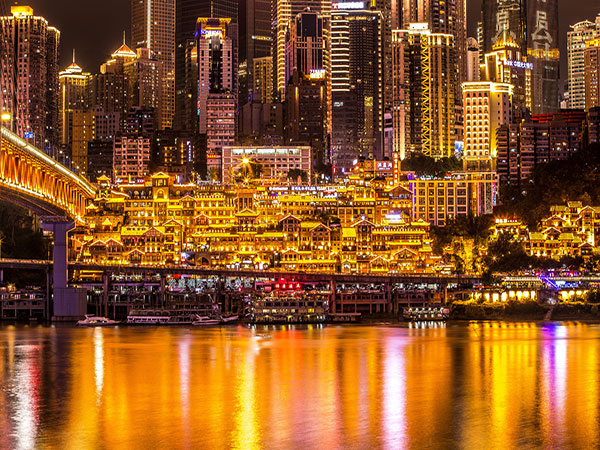
See Hongya Cave without making one viewpoint the whole city: Hongya Cave is a modern commercial complex built into a steep riverbank setting. Night lighting and river reflections can be striking, but bridge and roadside viewpoints may be crowded or traffic-sensitive. Follow barriers, do not step into the road for photographs, and agree on a meeting point before entering the multi-level complex. Balance the view with a neighbourhood, museum or river-geography stop that explains Chongqing beyond social-media imagery.
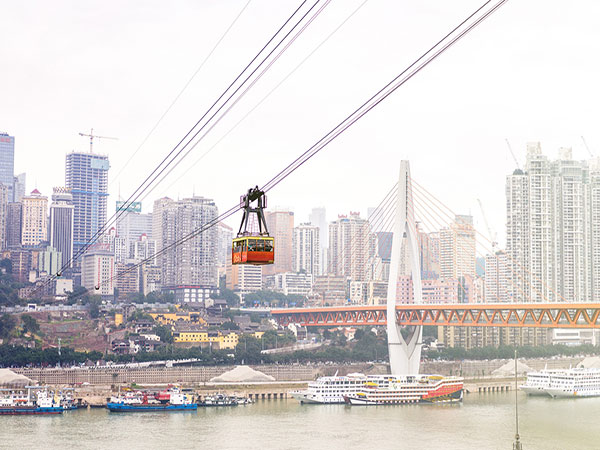
Treat the Yangtze River Cableway as working infrastructure: The cableway is a short urban crossing with limited capacity, not an alpine scenic ride. Confirm current stations, operating hours, ticket method, queue and weather status. A long queue can consume more time than the crossing, so use the metro or road alternative when the group prioritises the destination over the ride. Travellers uncomfortable with height or dense cabins should opt out without losing the wider city experience.
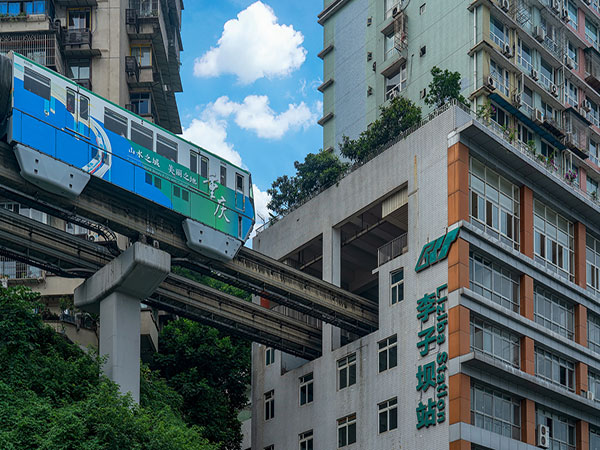
Plan for hills, layered streets and metro transfers: Liziba's train-through-building view demonstrates Chongqing's transport relationship with steep terrain, but visitors should use marked viewing areas and avoid blocking station circulation. Map elevation as well as horizontal distance: a nearby point can involve stairs, lifts and several road levels. Comfortable footwear, lighter luggage and a hotel entrance confirmed on a map matter more here than a central district name.
Route decision:
Allow two full days for one river-and-history sequence, one vertical-transport sequence and food chosen to the traveller's spice tolerance. Add a third only for a museum, Dazu excursion or cruise connection that is genuinely part of the itinerary.
If Chongqing is being used as a Yangtze cruise gateway, confirm the actual pier, boarding time, cabin, transfer and sailing terms in writing; the city cableway and the cruise are unrelated products.
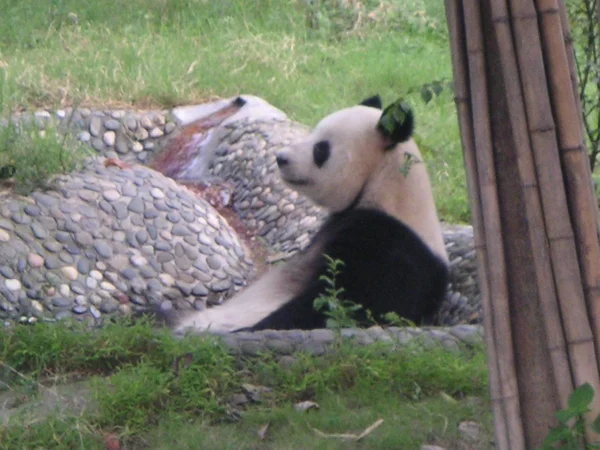
Visit a recognised panda base for observation and conservation learning: The Chengdu Research Base uses dated real-name reservation and original-document entry rules. Check the current session, gate and transport before travel, arrive early for cooler and often more active animal periods, and accept that every panda chooses its own behaviour. Keep voices low, do not tap barriers, feed animals or buy contact experiences. The value lies in learning about breeding, veterinary care, habitat and conservation—not obtaining a close selfie.
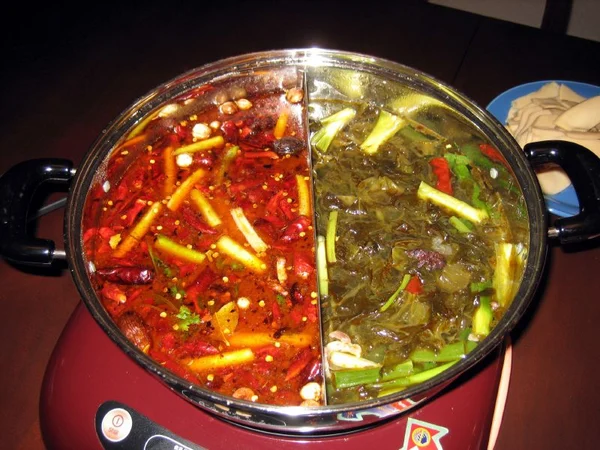
Use hot pot as a managed shared meal: Choose a divided pot or mild broth when spice tolerance differs, but confirm whether the mild side contains meat or other restricted ingredients. Keep raw-meat utensils separate, cook each item thoroughly, protect children from the burner and boiling liquid, and order gradually. Sichuan pepper creates a numbing sensation distinct from chilli heat. Travellers with sesame, peanut, soy, wheat or shellfish concerns need an ingredient-level conversation, not just a request for less spice.
Route decision:
Allow two full days: one panda-base morning with a light afternoon, and one city day combining a museum, People's Park, a neighbourhood or a structured food experience. Leshan or Dujiangyan deserves a separate day and should not be squeezed behind a late panda visit.
For a first China journey, finish by testing the whole route against rail time, original-document bookings and recovery days. A Beijing–Shanghai high-speed rail example can illustrate train-linked planning, but the final itinerary should keep only cities that add a distinct experience. Confirm all current opening, reservation and transport rules shortly before travel.

From $ 22782050
From $ 2983
From $ 28612575
Editorial accountability
Hu Lei, CEO. The named owner is responsible for travel-planning accuracy and escalation of time-sensitive checks.
Yuntian Travel (Yunnan) Group is identified in its corporate profile as a licensed professional inbound travel service provider based in Kunming, China. Registration and travel-service documents can be requested before booking.
Page-specific references where cited, official destination, transport and entry notices, YUNSKY route-planning records, and direct provider confirmation before a booking is finalized.
Content is reviewed when rules, transport, access, pricing or route conditions change. Final availability and operating details are reconfirmed for each traveler’s dates.
Quality review: Page updated: