Your China & Yunnan Travel Experts


Reviewed: August 27, 2026. These 7-, 11-, 12- and 14-day China itineraries are route frameworks for travelers arriving from Europe, not rigid packages. They account for long-haul recovery, real station and airport transfers, timed attractions and a useful departure buffer. Entry permission is a separate decision: check the current rule for the passport and purpose before booking, then confirm every transport and admission detail through an official or authorized channel.
Route outline: Beijing (3 nights) → Xi'an (2 nights) → Shanghai (2 nights)
This is the most efficient three-city introduction when history and a modern gateway matter more than landscape. It is still a brisk route: arrival day is mainly for recovery, and a daytime high-speed train uses much of a sightseeing day. If seven nights are not available, remove one city instead of reducing every stop to a photograph. The China high-speed rail guide explains passport-based booking, station choice and boarding checks.
Beijing planning: Use one full day for the Palace Museum and the historic center, and another for a suitable Great Wall section. The Palace Museum currently requires real-name advance booking, does not sell same-day tickets and is normally closed on Mondays except statutory holidays; international visitors must follow its current passport booking instructions. Treat those rules as dynamic and recheck the official site before fixing the rail date.
Choose a Great Wall section by walking difficulty, transfer time and crowd tolerance—not by a claim that one section is universally “best.” UNESCO describes the Wall as a multi-period defensive system extending more than 20,000 kilometers, so a Beijing excursion is one encounter with a much larger heritage landscape. Wear tested footwear, carry water and leave exposed sections during thunderstorms or unsafe conditions.
A hutong walk adds lived urban history to the monumental sites. Use public lanes or a locally guided route, keep voices low in residential alleys, ask before photographing people and do not treat homes as exhibits. Panjiayuan can be interesting for observing the antiques trade, but provenance and authenticity require specialist judgment; buy objects as souvenirs only when their legal status and export rules are clear.
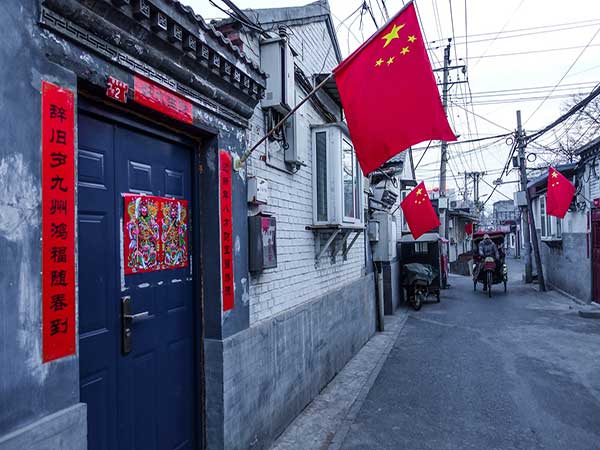
A Beijing hutong is pictured here because this section discusses neighborhood-scale history and respectful walking, not the Great Wall.
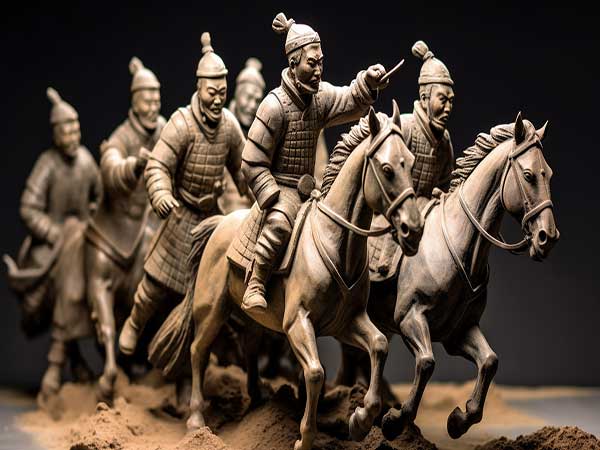
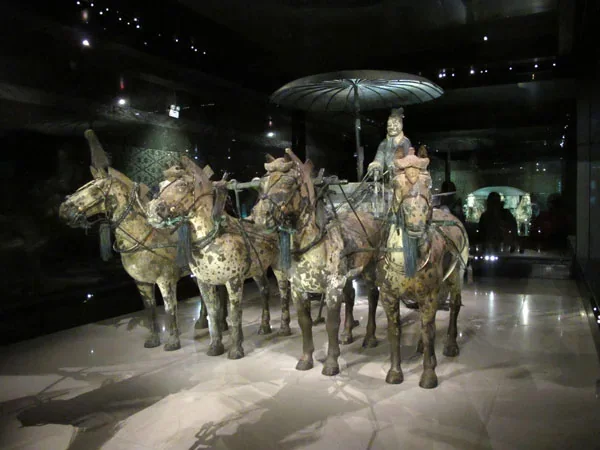
Xi'an planning: The Mausoleum of the First Qin Emperor lies outside central Xi'an, so reserve most of a day for the site and transfers. UNESCO describes a vast archaeological complex with the burial mound and nearly 200 associated pits; the displayed terracotta figures are evidence from that protected landscape, not simply a room of identical statues. Pair the visit with one focused city experience rather than rushing directly to an evening train.
Within the city, the wall is useful for reading the Ming-era urban form, while the Shaanxi History Museum can connect objects to longer regional history when admission is available. Check each venue's own booking and closure rules. Cycling on the wall is optional and subject to weather, operating controls and the traveler's balance; walking a shorter section can be the better choice.
The Big Wild Goose Pagoda and Small Wild Goose Pagoda are separate sites with different histories. Avoid compressing “Tang culture” into a costume photo: use museum labels, a qualified guide or a named source to connect Buddhist exchange, city planning and material evidence. Evening shows can be enjoyable, but they are interpretation rather than primary historical evidence.
Terracotta cavalry illustrates the Xi'an archaeology section; it should not be presented as a generic image of ancient China.
Shanghai planning:
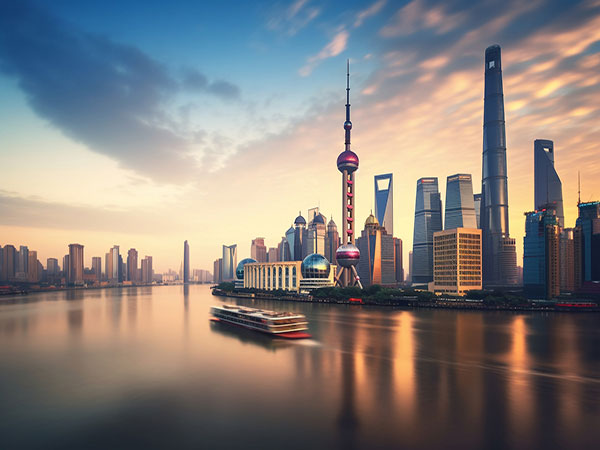
End with two nights in Shanghai if the international flight departs there. Compare the Bund's historic waterfront with Pudong's later skyline, then add a museum or neighborhood that fits the question you are exploring. Verify which airport and terminal the flight uses, keep the final night in the departure city and allow for cross-city traffic. The skyline photograph remains with this Shanghai gateway section.
Route outline: Beijing (3 nights) → Xi'an (2 nights) → Chongqing (1–2 nights) → Yangtze cruise → onward departure
This route works for travelers who value a slower landscape transition after two dense heritage cities. Cruise schedules, vessels, embarkation points and shore visits vary, so the number of nights must be built from the actual sailing—not from an old sample. Leave enough time in Chongqing to reach the assigned pier, and avoid a separately ticketed international flight immediately after disembarkation. Shanghai can be added only if the verified cruise and flight calendar supports it without sacrificing the buffer.
Yangtze decision points: The Three Gorges run between Chongqing Municipality and Hubei through Qutang, Wu and Xiling gorges. A cruise can reveal river engineering, settlement and steep valley landscapes, but visibility, water conditions and shore access are variable. Compare cabin position, stairs or lifts, included excursions, cancellation terms, medical support and the exact final port. Travelers with limited mobility should request current gangway and shore-excursion details in writing.
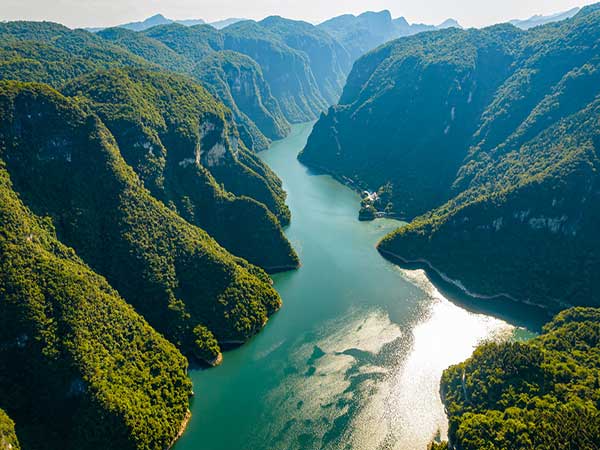
The aerial gorge photograph is retained here to show the river-and-mountain context of the Yangtze option; it does not certify current navigation or water levels.
Route outline: Beijing (3 nights) → Xi'an (2 nights) → Chengdu (2 nights) → Guilin/Yangshuo (3 nights) → Shanghai departure
This route gives more variety than the classic triangle but also adds a flight or complex rail transfer. Twelve full days on the ground are preferable to counting overnight flights as sightseeing days. Secure the hardest long-distance legs first, then decide whether the final Shanghai stop is an overnight departure buffer or a genuine city stay. Travelers who dislike frequent packing should remove either Chengdu or Guilin and give the remaining region more time.
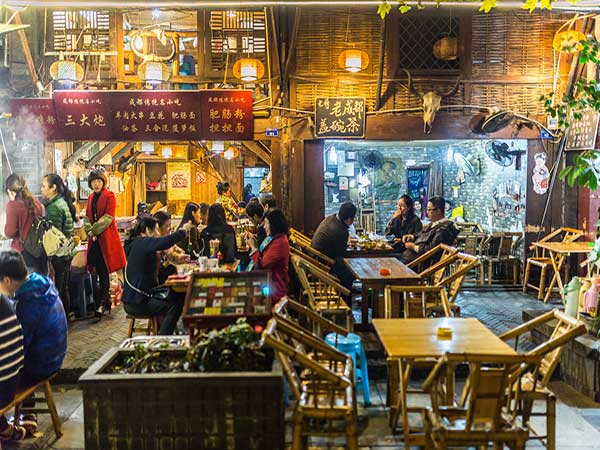
Chengdu planning: Use Chengdu for more than a panda checklist. At a recognized conservation or research facility, follow barriers and animal-welfare instructions, avoid any product promising direct contact and understand that animal activity cannot be scheduled for a photograph. A teahouse, market or museum can then introduce everyday social life and Sichuan history. Discuss spice, sesame, peanuts and other allergens before ordering; “not very spicy” is subjective. The street-and-dining photograph belongs with this urban food and daily-life discussion, not with a claim of panda access.
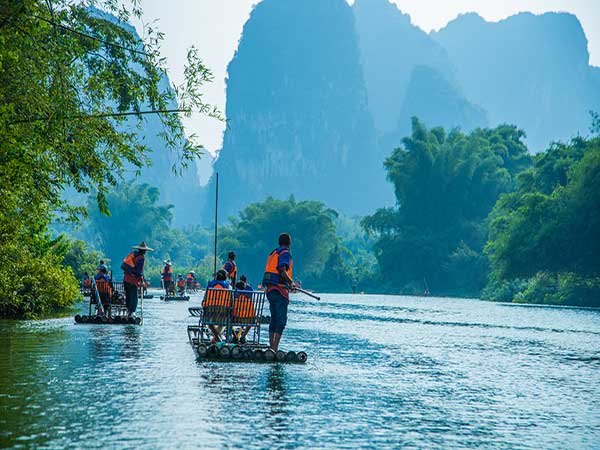
Guilin and Yangshuo planning: UNESCO identifies Guilin as part of the South China Karst serial property and a major example of tower and cone karst. Spend one day on a verified river or landscape route and another at a slower countryside scale. Weather and river operations can change, so keep a land-based alternative. Ask before entering farms or photographing residents, use licensed transport and check cycling surfaces, helmets and traffic rather than assuming a scenic lane is risk-free.
Decide where to sleep from the next connection: Guilin is generally simpler for rail and airport logistics, while Yangshuo can reduce travel to countryside activities. The Li River image stays with this karst section. For payment setup, cash backup and transport preparation, use the China payment guide for European visitors before departure.
Route outline: Beijing (3 nights) → Xi'an (2 nights) → Zhangjiajie (3 nights) → Guilin/Yangshuo (3 nights) → Shanghai (2 nights)
Fourteen days can support both Zhangjiajie and Guilin only when connections are checked door to door. The landscapes are not interchangeable: Zhangjiajie emphasizes steep sandstone pillars, forest paths and mountain transport, while Guilin offers riverine karst and rural lowland views. Build at least one weather-flexible block, limit single-night stops and keep Shanghai as the final international gateway. The practical Europe-to-China travel checklist covers connectivity, accommodation registration, health preparation and document backups.
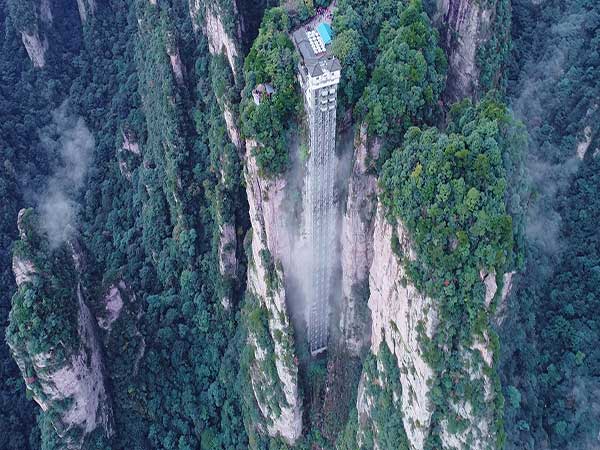
Zhangjiajie requires more physical and operational planning than a skyline stop. Mountain buses, cableways, lifts, stairs and queues shape the day; fog or rain may hide famous views, and glass attractions are optional rather than essential. Request current accessibility information, carry traction-appropriate footwear and keep a lower-intensity alternative. The pillar landscape photograph is correctly retained here. Whichever route you choose, record why each stop earns its nights, verify the source and date behind every booking, and remove a destination before removing recovery or departure safety margins.

From $ 22782050
From $ 2983
From $ 28612575
Editorial accountability
Hu Lei, CEO. The named owner is responsible for travel-planning accuracy and escalation of time-sensitive checks.
Yuntian Travel (Yunnan) Group is identified in its corporate profile as a licensed professional inbound travel service provider based in Kunming, China. Registration and travel-service documents can be requested before booking.
Page-specific references where cited, official destination, transport and entry notices, YUNSKY route-planning records, and direct provider confirmation before a booking is finalized.
Content is reviewed when rules, transport, access, pricing or route conditions change. Final availability and operating details are reconfirmed for each traveler’s dates.
Quality review: Page updated: