Your China & Yunnan Travel Experts


Reviewed August 28, 2026. Eating well in China is not about memorising a list of dishes or assuming one national flavour. It is a practical sequence: identify dietary risks, understand how shared meals work, choose dishes by region and cooking method, then confirm ingredients before the kitchen starts. European visitors may be accustomed to individual plates and regulated allergen declarations; in China, many restaurant meals are shared and a translated menu may not reveal broth, sauce, garnish or shared-oil ingredients. Carry a concise Chinese allergy or dietary card, show it before ordering, and ask one staff member to repeat the restriction. For ordinary food safety, prefer food cooked thoroughly and served hot, use safe drinking water, wash hands, and avoid judging hygiene only by décor or price. This guide explains the decisions behind an enjoyable meal without stereotyping Chinese diners or promising that any restaurant can eliminate cross-contact.
Chopsticks are an everyday tool, not a test visitors must pass. A spoon is common for soup and rice, and many restaurants can provide a fork if asked; requesting one is more sensible than struggling with a hot dish. In a shared meal, transfer a small portion to your own bowl and use serving utensils when provided. Do not stick chopsticks upright in rice, point with them, drum on bowls or move food around looking for one piece. At hot pot, keep the utensils used for raw ingredients separate from those used for cooked food, and wait until food is fully cooked. Let the host or server explain unfamiliar dishes rather than copying a neighbouring table. The useful etiquette is simple: wait until everyone is served, take modest portions, offer dishes to others without pressure, and make dietary limits clear before the meal begins.
The familiar ‘north eats wheat, south eats rice' summary is a tendency, not a dietary rule. Wheat noodles, dumplings, steamed buns and flatbreads are prominent across northern and north-western routes, while rice, rice noodles and congee are common in many southern regions. Major cities serve both, and a single meal may include rice plus wheat-based wrappers or soy sauce containing wheat.
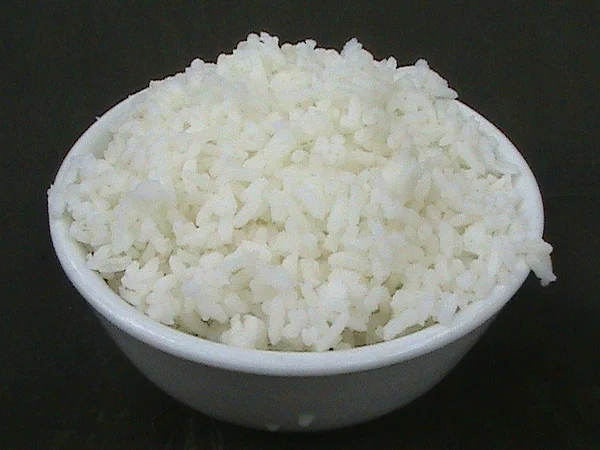
For coeliac disease or wheat allergy, the name ‘rice noodles' is not enough evidence: ask about the noodle recipe, broth, soy sauce, thickener, shared boiling water and preparation surface. For diabetes or another medically managed diet, discuss travel meals with a clinician and estimate the whole meal rather than treating rice and noodles as interchangeable portions. Plain steamed rice can be a useful backup, but confirm that a flavoured rice, congee or noodle broth does not contain an excluded ingredient.
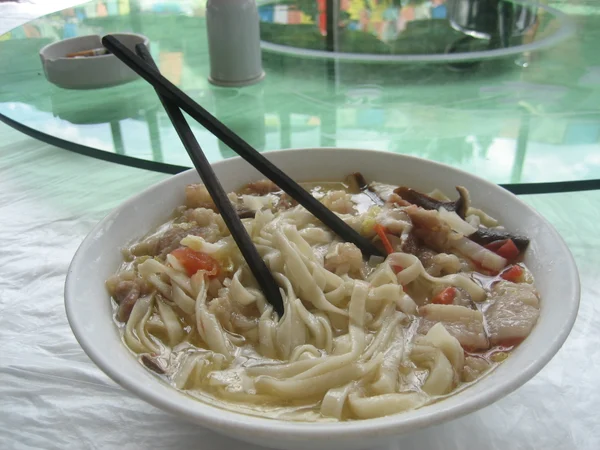
Build variety across the day. Breakfast might be congee, steamed buns or noodles; lunch can be the main regional meal; dinner can be lighter and close to the hotel. On a rail day, buy sealed food from a reputable outlet before boarding and keep one shelf-stable backup permitted by customs and carrier rules. This is more reliable than expecting a familiar European breakfast near every attraction.
Chinese cuisine changes with climate, ingredients, history and local taste. Beijing offers roast duck, wheat dishes and northern snacks; Xi'an is known for noodles and Muslim culinary traditions; Sichuan and Chongqing use chilli, fermented flavours and Sichuan pepper; Cantonese cooking often highlights freshness, soup and dim sum; Jiangnan cities such as Shanghai, Suzhou and Hangzhou are associated with seasonal produce and balanced sweet-savoury flavours; Yunnan adds mushrooms, herbs and diverse ethnic foodways. Select two or three food experiences that belong to the actual itinerary. In Shanghai, a small-group evening food walk can add neighbourhood context, but the operator should state group size, walking distance, included tastings and dietary limits before booking. A famous dish is an invitation to learn, not proof that every restaurant makes it well.
‘Not spicy' is a preference, not an allergy instruction, and it may still leave chilli oil, Sichuan pepper or a spicy garnish in the dish. Ask for the sauce on the side, select steamed or clear-broth dishes, and order one uncertain item rather than an entire table of unfamiliar heat levels. Menus often price dishes for sharing, so ask how many people each plate serves and begin with fewer dishes; more can usually be added. A guided Beijing evening food experience should likewise disclose tasting portions, alcohol, walking, accessibility and alternatives instead of promising that every guest will eat everything. If sodium or fat intake is medically important, show a written instruction and choose simple preparations, but do not assume the kitchen can measure a clinical threshold.
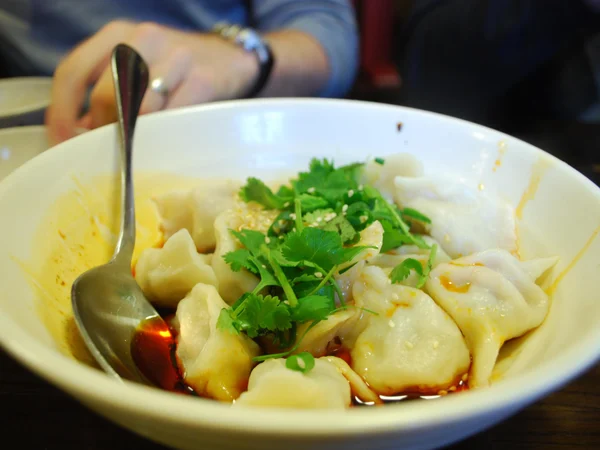
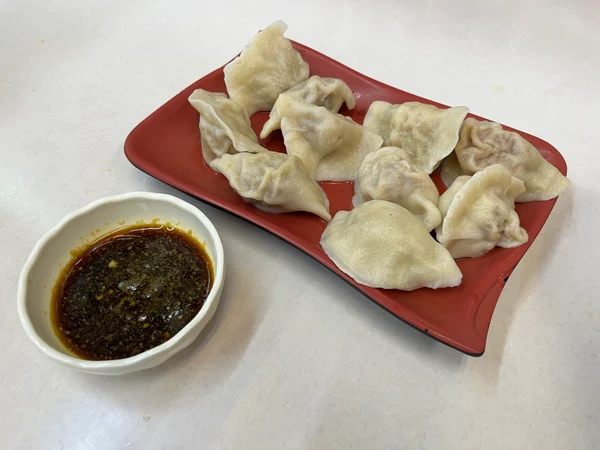
Dipping sauces are optional and regional. Vinegar, soy sauce, sesame paste, chilli oil, fermented bean products, garlic and spring onion may appear at dumpling, noodle or hot-pot meals. Their colour does not reveal every ingredient: soy sauce may contain wheat, sesame paste is an allergen, and a chilli condiment may include peanuts or shared utensils.
Before ordering, name the exact allergen and the consequence, then ask about broth, marinade, garnish, thickener, cooking oil and shared wok or fryer. Common concerns include peanuts, tree nuts, sesame, soy, wheat, shellfish, fish, egg and milk. A bilingual card should say that traces or shared oil are unsafe when that is medically true; translating only ‘I do not like peanuts' is inadequate. The EU list of 14 regulated allergens is useful preparation for European travellers, but restaurant communication and labelling practices abroad are not identical to EU requirements. For severe allergy, carry prescribed medicine, know when and how to use it, eat with a responsible companion, and identify medical help before trying an uncertain kitchen.
Menus may include offal, poultry feet, preserved egg, fermented tofu, strong-smelling tofu, river or sea products, fungi and regional ingredients uncommon in the visitor's home country. These are established food traditions, not spectacles. Ask what the ingredient is, how it is cooked and whether bones, shells or whole spices remain; decline politely if it does not suit the diner. Avoid the inaccurate claim that Chinese people eat anything. China has national food-safety law, regional cuisines and ordinary personal preferences just as Europe does. Never buy or consume protected wildlife products, and do not treat a market photograph as proof that a product is legal or typical. Parents should check choking hazards, bones, alcohol, caffeine and extreme heat before offering a dish to a child. Respectful curiosity produces better cultural understanding than a list of ‘shocking' foods.
Steaming, boiling, braising, roasting, stir-frying, deep-frying, smoking and cold preparation create very different textures and risks. When hygiene or temperature control is uncertain, WHO and CDC guidance supports choosing food cooked thoroughly and served hot, keeping raw and cooked items separate, and using safe water. At a buffet, check whether hot food is genuinely hot and cold food remains chilled; avoid dishes that have sat uncovered or been repeatedly handled. At hot pot, add small batches, let broth return to a proper boil and do not use raw-meat chopsticks for eating. Raw or undercooked seafood, meat, eggs and unpasteurised dairy carry higher risk. Busy street-food stalls can still vary in storage and hand hygiene, so watch whether ingredients are protected, cooking is complete and utensils are clean. If vomiting, diarrhoea, fever, blood in stool or dehydration develops, stop touring, use the insurer or local medical plan and seek professional advice promptly rather than relying on leftover antibiotics.
A vegetable-looking dish may contain meat broth, lard, dried shrimp, oyster sauce, egg or shared cooking oil. Vegetarian travellers should state whether they exclude meat, poultry, seafood, broth and animal fat; vegans should also identify egg, dairy and honey as relevant. ‘No visible meat' is not the same request. For halal food, choose an identifiable halal restaurant or Muslim community food business and confirm meat source, pork separation and alcohol concerns; a dish from Xi'an or Xinjiang is not automatically halal. Kosher travellers generally need advance arrangements because ordinary restaurant preparation cannot establish kosher supervision. Temple-area vegetarian restaurants may be useful but are not a substitute for asking about garlic, onion, egg, dairy or shared kitchens according to the traveller's own practice. Save suitable restaurants near each hotel, call ahead for complex needs, and keep a simple backup meal.
Before departure, list allergies and medical diets, create a Chinese card checked by a competent speaker, and pack permitted emergency food and medicine. Each morning, identify one reliable lunch near the day's main sight and one dinner near the hotel; do not wait until an exhausted group is hungry. At the table, order a staple, vegetables, a protein and only one adventurous dish at first, confirm the total price and ask before assuming tea, appetisers or service items are free. Drink sealed or appropriately treated water when tap-water safety is uncertain, and use freshly boiled water for tea. Learning how tea differs by region can add context; the Chinese tea culture guide is a useful next step, while caffeine, water temperature and ceremonial sales pressure still need judgement. Recheck current customs rules before carrying food across a border. The best food trip balances regional discovery with clear consent, safe preparation and an uncomplicated fallback.

From $ 22782050
From $ 2983

From $ 28612575
Editorial accountability
Hu Lei, CEO. The named owner is responsible for travel-planning accuracy and escalation of time-sensitive checks.
Yuntian Travel (Yunnan) Group is identified in its corporate profile as a licensed professional inbound travel service provider based in Kunming, China. Registration and travel-service documents can be requested before booking.
Page-specific references where cited, official destination, transport and entry notices, YUNSKY route-planning records, and direct provider confirmation before a booking is finalized.
Content is reviewed when rules, transport, access, pricing or route conditions change. Final availability and operating details are reconfirmed for each traveler’s dates.
Quality review: Page updated: