Your China & Yunnan Travel Experts


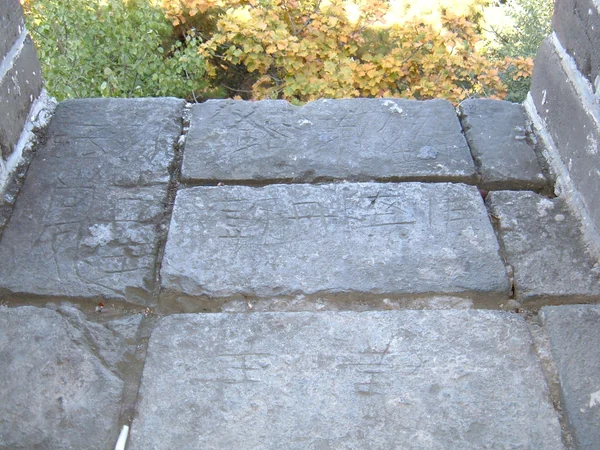
Early walls were commissioned by competing states to protect capitals, farmland, routes or exposed borders. Construction relied on local labor systems and materials such as rammed earth and stone. These projects were regional and sometimes faced other Chinese states; they were not yet a unified northern imperial boundary.
In the Ming dynasty , the court, military commands and garrisons organized major frontier works. Soldiers built and maintained sections, while skilled masons, brickmakers, carpenters, lime workers, transport crews and local laborers supplied specialized tasks. Some people were conscripted or assigned under state obligations. The mix varied by campaign, and the simplified claim that all builders were prisoners is incorrect. See the Ming Great Wall for the mature garrison-and-pass system.
After Qin Shi Huang unified rival states in 221 BCE, the Qin government reorganized selected northern defenses and ordered new links or extensions. This made the first emperor central to popular memory, but Qin dynasty workers did not create the entire monument visible today. The best-known brick sections are much later. The workforce probably included soldiers, conscripted laborers and people serving penal sentences, supported by officials and supply networks. Ancient texts emphasize hardship but do not justify a precise death total for the whole project.
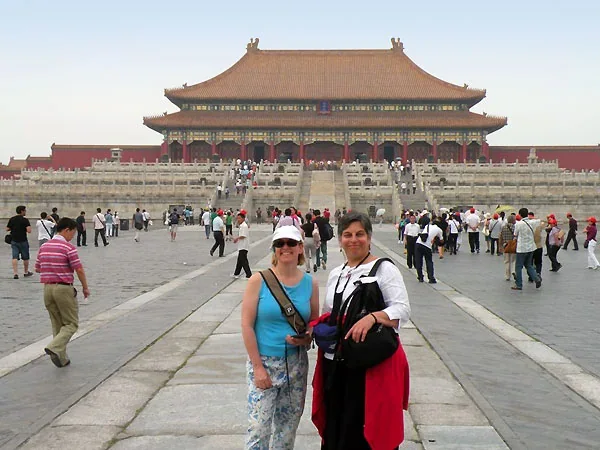
From $ 389
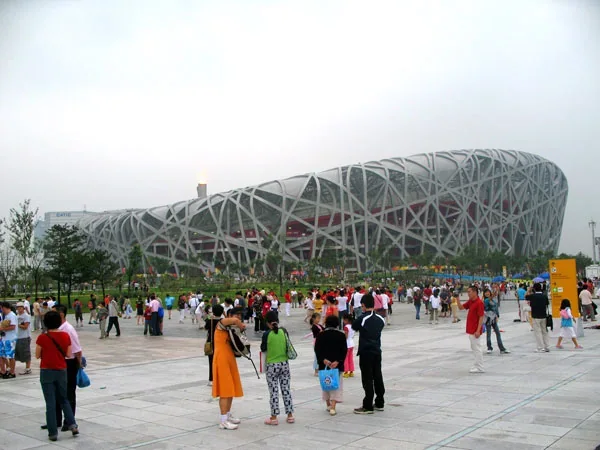
From $ 509

From on request
Editorial accountability
Hu Lei, CEO. The named owner is responsible for travel-planning accuracy and escalation of time-sensitive checks.
Yuntian Travel (Yunnan) Group is identified in its corporate profile as a licensed professional inbound travel service provider based in Kunming, China. Registration and travel-service documents can be requested before booking.
Page-specific references where cited, official destination, transport and entry notices, YUNSKY route-planning records, and direct provider confirmation before a booking is finalized.
Content is reviewed when rules, transport, access, pricing or route conditions change. Final availability and operating details are reconfirmed for each traveler’s dates.
Quality review: Page updated: