China's show caves range from immense limestone chambers and dense formations to underground rivers explored by boat. Lighting, stairs, humidity and route management shape the visitor experience as much as geological scale. The six original caves remain in sequence, but this guide distinguishes natural caves from Buddhist grottoes and explains how to choose a site within a coherent regional itinerary. Continue planning with the
Buddhist grottoes in China.
Zhijin Cave, Guizhou
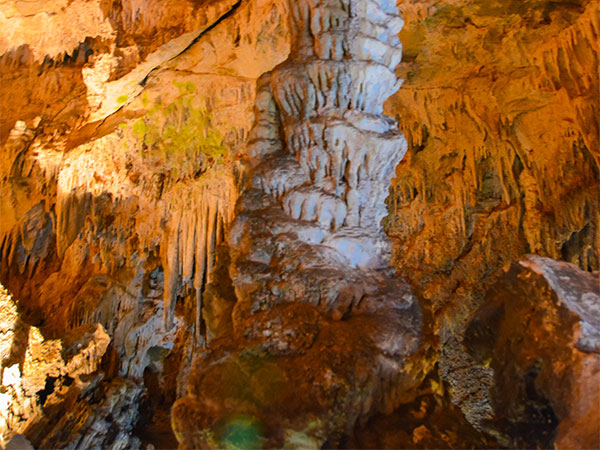
Zhijin cave Zhijin Cave is known for large chambers and dense limestone formations in western Guizhou. It suits travelers building a karst-focused Guizhou route with enough time for overland transfers. Stairs, humidity, cool cave air and wet surfaces affect comfort. Use the managed scenic-area route and verify transport from Guiyang or a nearer base. Lighting and open sections can change, and apparent colors in photographs may be artificial.
Furong Cave forms part of the Wulong karst landscape and displays varied speleothems within an established scenic system. It pairs naturally with Wulong's surface karst rather than a separate cross-country cave checklist. Rain, stairs and transfers between scenic components influence the day. Confirm current shuttle and ticket arrangements from Wulong. Keep to barriers because formations are easily damaged and cave microclimates are sensitive.
Yellow Dragon Cave, Zhangjiajie
Yellow Dragon Cave Yellow Dragon Cave is a developed show cave near the Wulingyuan visitor region, with large chambers and an underground-water component. Choose it as a weather-flexible addition to a Zhangjiajie itinerary. Crowds, queues, stairs and humidity can make the route slower than expected. Use local scenic transport and reserve sufficient time around the main national-park plan. Boat or performance components may change; verify rather than promise them. Continue planning with the
Guilin destination guide.
Zhangjiajie
Open: Mar to Nov:8:00-17:00
Nov to Mar:8:30-16:30
National Holiday:7:00-18:00

Tenglong Cave, Hubei
Tenglong Cave Scenic Spot Tenglong Cave near Lichuan is notable for its large entrance and extensive cave system in southwest Hubei. It suits travelers already exploring the Enshi region. Rain, cool interiors, walking distance and scheduled activities affect timing. Confirm transport from Lichuan and which public route is operating. The full geological system is far larger than the managed visitor path.
Snow Jade Cave, Chongqing
Snow Jade Cave Snow Jade Cave near Fengdu is known for pale formations displayed along a managed underground route. It works as a specialized extension when a Chongqing or Yangtze itinerary already reaches the area. Road time, humidity, steps and cave temperature require planning. Confirm the current route from Fengdu and the official entrance arrangements. Formation whiteness depends partly on conservation and lighting; visitors must not touch surfaces.
Ghost City Yangtze River
Benxi Water Cave, Liaoning
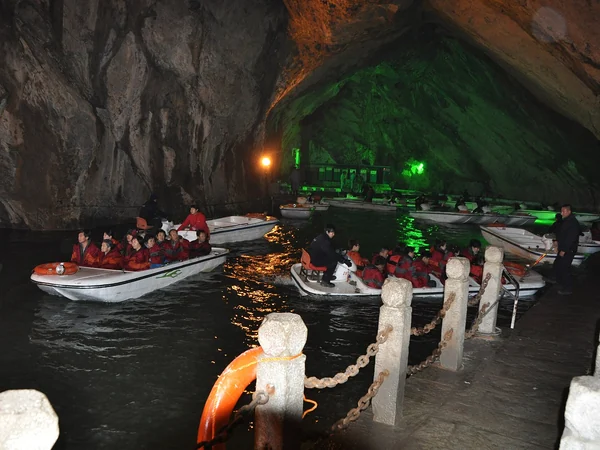
Benxi Water Cave Scenic Area Benxi Water Cave is distinguished by an underground river explored through a managed visitor system in Liaoning. Choose it for the boat-based cave experience and combine it with a northeast China route rather than Guilin. Water level, temperature, queues and operating controls affect the visit. Use Benxi or Shenyang as the gateway and compare the geology with other Chinese cave and landform regions. Boat routes and accessible cave sections are operational details that should be confirmed before travel. Continue planning with the
China Danxia landscapes.