China's coast includes tropical bays, wind-shaped rock platforms, mangrove wetlands, northern sand beaches, historic harbors and granite headlands. “Most beautiful” is subjective, and not every entry is a swimming beach. The eight original sections remain, but the useful comparison is now landscape type, safe access, seasonal weather and how naturally each stop fits a city or regional route. Continue planning with the beautiful islands in China.
Yalong Bay, Sanya
Yalong bay Sanya Hainan
Yalong Bay is a developed tropical resort coast near Sanya, with a broad sandy shoreline and hotel infrastructure. It suits travelers seeking beach time and convenient resort services. Heat, humidity, strong sun, rain and tropical storms affect plans. Use Sanya as the gateway and compare it with other Hainan options. Follow lifeguard warnings and current marine-sport rules; sea conditions can change quickly.
Yehliu, Taiwan
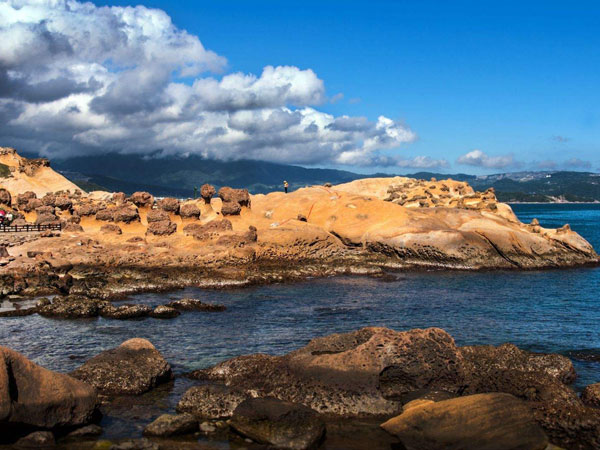
Yehliu is known for wave- and wind-eroded coastal rock formations on a headland in northern Taiwan. Choose it for geology and walking rather than a beach holiday. Strong wind, rain, slippery rock and crowded paths affect comfort. Plan it as a separate Taiwan itinerary under that destination's current entry and transport system. Remain behind barriers and do not touch fragile formations; the site is not a mainland China add-on.
Chengshantou, Weihai
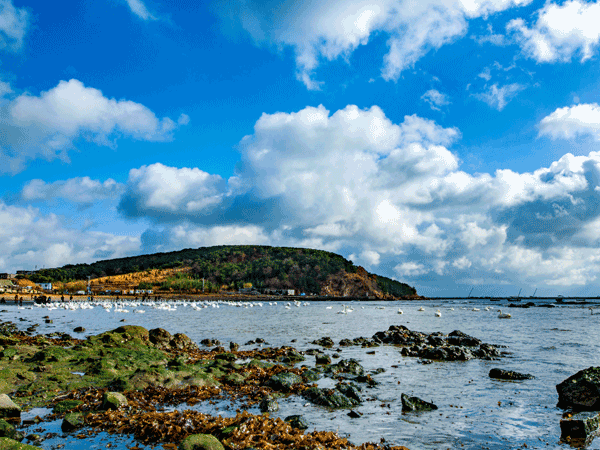
Chengshantou Chengshantou is an exposed headland on the Shandong coast, valued for cliffs, open-sea views and geographic position. It fits a Weihai or Rongcheng coastal road trip. Wind, fog, cold-season weather and rough seas can dominate the experience. Use a legal scenic route from Weihai or Rongcheng and check local transfers. Cliff-edge access and sunrise visibility are weather dependent.
Shandong
Dongzhaigang Mangrove, Hainan
Changli Gold Coast, Qinhuangdao
Changli's coast combines sandy beaches and dune landscapes on the Bohai Sea in northern Hebei. It works as a seasonal beach extension from Qinhuangdao or Beijing-area travel. Water temperature, summer crowds, wind and beach safety notices vary. Confirm the specific public beach and transport route rather than using the broad coast name alone. Dunes are fragile and some sectors may have ecological or operational restrictions.
Changli Gold Coast
Victoria Harbour, Hong Kong
Victoria Harbor Hong Kong Victoria Harbour is an urban maritime landscape framed by dense skylines, ferries, hills and working waterfronts. Choose it for city views and public transport rather than swimming. Rain, typhoons, haze and event closures affect cruises and promenades. Use Star Ferry routes and legal waterfronts under Hong Kong's separate local travel system. Night lighting and show schedules are operational and should be checked close to travel.

Chongwu Coast, Fujian
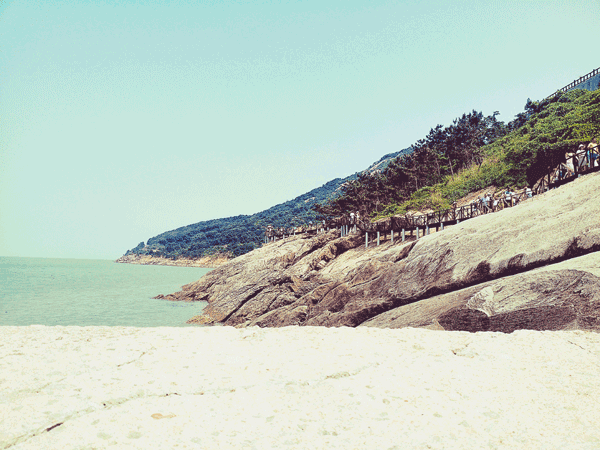
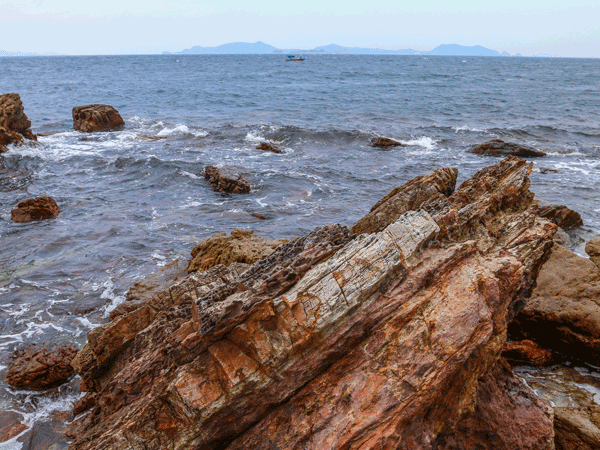
Chongwu Coast Chongwu combines granite shoreline, fishing settlements and a historic walled town on the Fujian coast near Quanzhou. It suits travelers who want maritime culture with rocky coast rather than a resort-only stop. Heat, rain, wind and tides influence shoreline access. Plan a road transfer from Quanzhou and confirm which coastal sectors are public. Avoid unstable rocks and respect working village areas.
Fujian
Dapeng Peninsula contains beaches, headlands, villages and protected coastal landscapes on Shenzhen's eastern side. It is a practical nature extension from Shenzhen when traffic and reservations are planned. Typhoons, weekend congestion, heat and rip currents affect the visit. Choose one managed beach or heritage village and connect it with a wider coastal-city route. Some beaches or roads may require reservations or temporary controls; verify locally. Continue planning with the
China coastal city guide.